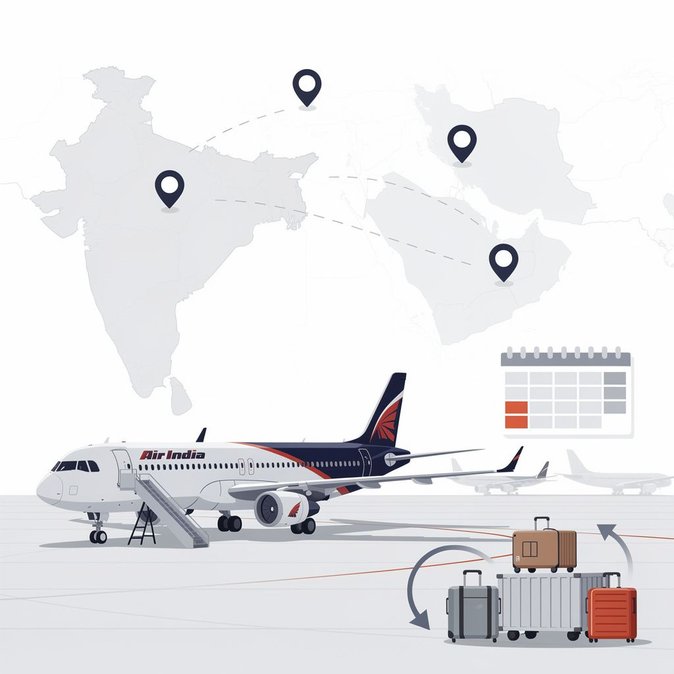
India’s flag carrier Air India and its low-cost subsidiary Air India Express have suspended all flights to and from Riyadh, Jeddah and Dammam through 24 October 2026, citing “operational and security considerations” linked to the worsening conflict in West Asia. The announcement, released at 15:43 IST on 17 October via the government broadcaster Akashvani, extends an earlier suspension that had been due to expire on 18 October. Passengers holding confirmed tickets issued on or before 15 October for travel between 9 and 25 October are eligible for a one-time, no-fee date change until 10 November, or may reroute through alternative Gulf Cooperation Council (GCC) gateways such as Dubai, Doha or Muscat, subject to seat availability. Full refunds are also being offered. For global mobility managers, the suspension presents an immediate logistics challenge: India-bound assignees must factor in longer transit times, potential hotel costs in transit hubs, and the need to secure transit visas at short notice. Employers should liaise with their travel management companies to lock in scarce inventory on unaffected Gulf sectors and re-issue travel authorisations quickly to avoid project delays. Cargo capacity is also reduced. Engineering firms moving spare parts to Saudi projects and exporters shipping perishables face cost escalation as they shift to indirect routings, while courier timelines for passport renewals and visa documents will lengthen. Immigration practitioners should counsel clients to allow extra lead time for document movement until normal schedules resume. While India-Saudi air links have proven resilient during past regional crises, the present pause coincides with heightened demand for Umrah travel and year-end corporate rotations, underscoring the fragility of mobility corridors to geopolitical flashpoints. Companies may wish to diversify routing strategies and maintain up-to-date traveller tracking dashboards as the situation evolves.
Source: Akashvani News