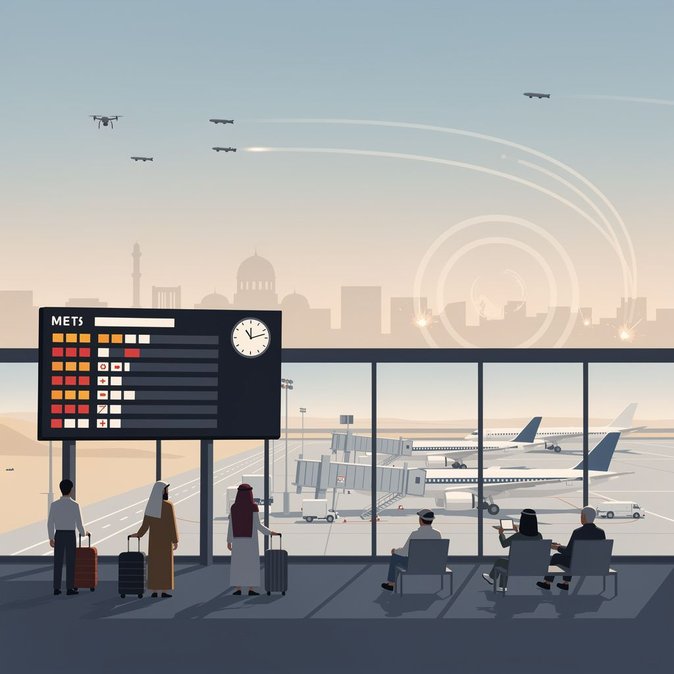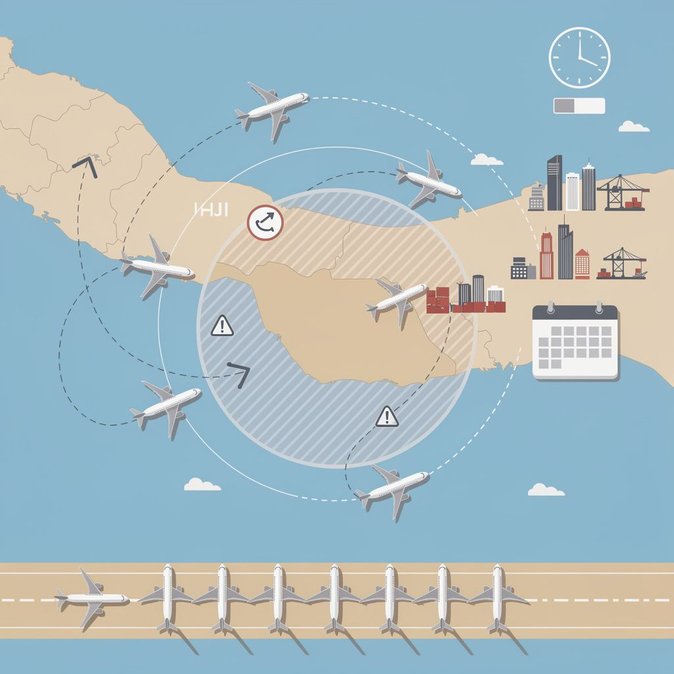
Air-travel disruption across the Gulf entered its third week on Tuesday, October 20, with hundreds of flights to and from the UAE affected by continued security restrictions in neighbouring Saudi Arabia. A live departure board review by Gulf News at 11:00 GST showed 188 cancellations and 134 delays at Dubai International (DXB) alone, while Abu Dhabi’s Zayed International reported 61 schedule changes. The epicentre remains Riyadh. Although King Khalid International Airport officially reopened on October 18, Saudi regulators now require prior permission for every flight, throttling capacity. Emirates, flydubai, Etihad and Air Arabia have extended suspensions or cut frequencies to Riyadh, Dammam and Jeddah until at least October 24. Indirectly, the bottleneck has spilled over to high-demand Umrah routes and to India–Gulf sectors that rely on Riyadh as a crew-rotation point. For business travellers the immediate advice is simple: verify every sector – including inbound legs – within 24 hours of departure, build extra connection buffers and avoid same-day meetings. Multinational companies with regional projects should also revisit duty-of-care policies; under UAE labour law, employers must cover any unforeseen accommodation costs if staff are stranded abroad due to force-majeure flight changes. Cargo and supply-chain managers are feeling the pinch as well. With belly-hold capacity out of Saudi markets down by an estimated 35 per cent, forwarders are diverting perishables through Bahrain and Kuwait, adding 12–24 hours of transit time and raising spot rates by roughly 18 per cent, according to Freightos data. Looking ahead, industry sources expect a staggered normalisation. Riyadh slots are provisionally allocated from October 25, but airlines warn that further missile or drone activity could reset the clock. Travel-risk consultancies recommend keeping alternative routings through Muscat or Doha on file and briefing travellers on Saudi over-flight NOTAM updates issued at six-hour intervals.
Source: Gulf News