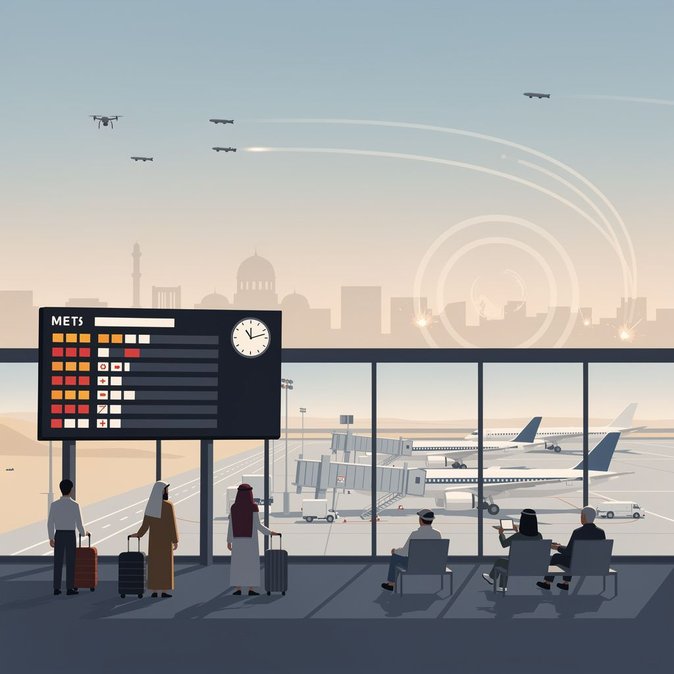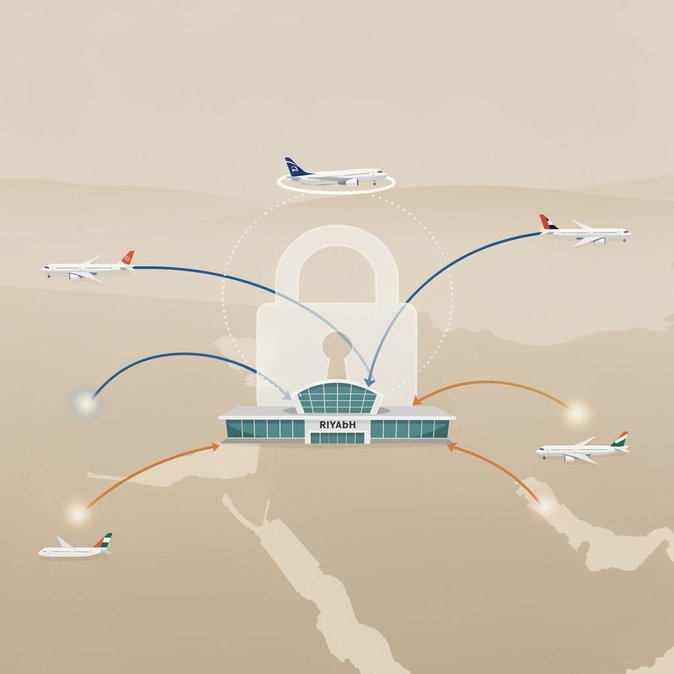
Riyadh’s King Khalid International Airport quietly reopened on 18 October after a week-long closure triggered by Houthi missile strikes, but operational normalcy remains elusive. The National’s aviation desk confirmed on 20 October that Saudi regulators now require prior-permission slots for every take-off and landing – a bureaucratic hoop many carriers are unwilling or unable to jump through at short notice. As a result, Etihad has cancelled all Abu Dhabi services to Riyadh, Dammam and Jeddah until at least 24 October, while Emirates, flydubai and Air Arabia list entire Riyadh schedules as “CXLD” in global distribution systems. International airlines from Qatar Airways to KLM have likewise pushed Riyadh resumptions into late November or early 2027. For UAE-based travellers the message is stark: a nominally open airport does not equal reliable air service. Mobility managers should reroute essential travel through Bahrain, Muscat or direct flights to Jeddah/Madinah and arrange surface transport onward if business in the capital is unavoidable. Travellers already ticketed to Riyadh can request refunds or free date changes, but fare-class restrictions apply. The stop-start reopening also muddies Umrah planning. Pilgrims with multi-city itineraries must double-check which Saudi terminals are operating and whether domestic transfers remain bookable. Insurance policies that exclude war-risk have begun to levy surcharges or remove medical-evacuation cover for trips transiting Riyadh. Analysts note that the episode underscores a broader trend: Gulf hubs are increasingly exposed to regional security volatility, and airlines are adjusting capacity with unprecedented agility. Companies may need to bake permanent contingency clauses into travel and assignment contracts rather than treating disruptions as one-off exceptions.
Source: The National