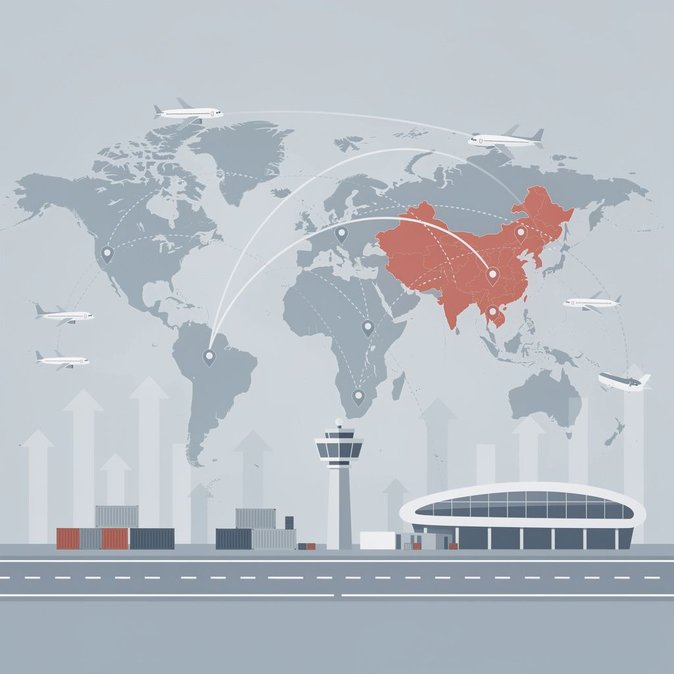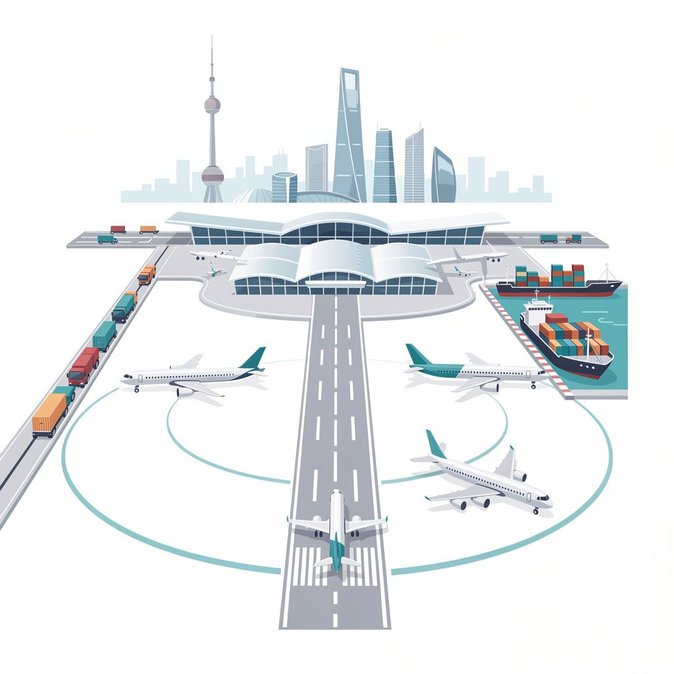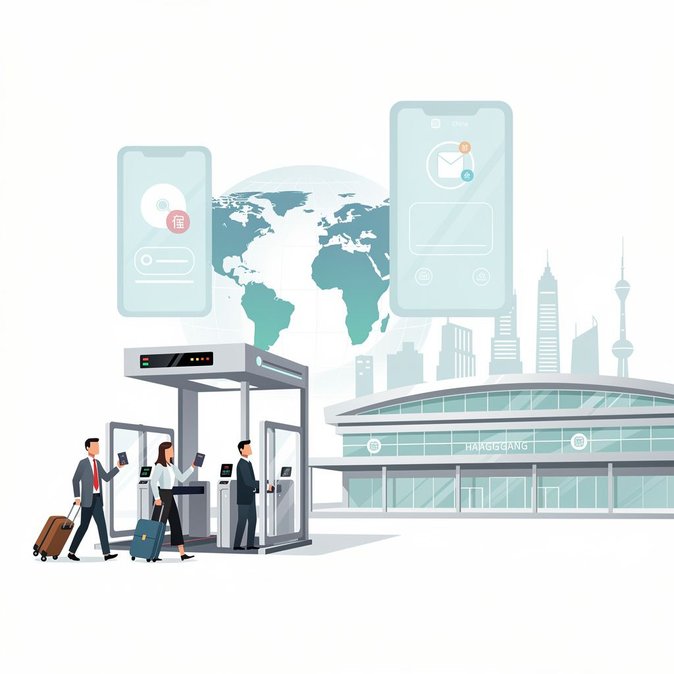
China’s National Immigration Administration (NIA) used its 20 October quarterly press briefing to showcase how cross-border travel has roared back and where the agency is investing next. NIA spokesperson Lü Ning told reporters that 192 million people crossed China’s borders in Q3 2026—up 7.9 % year-on-year. Foreign nationals accounted for 23 million of those movements and, strikingly, 8.99 million entered visa-free, a 24.1 % jump on last year and fully 77.5 % of all foreign arrivals. The data confirm what airlines and hoteliers have been saying anecdotally since summer: China’s unilateral 30-day visa-free pilot for 48 countries has become the dominant entry channel for leisure and short-term business visitors. Behind the headline numbers, the NIA laid out a busy policy calendar. First, it confirmed that the new Huanggang mega-land-port on the Shenzhen–Hong Kong border is now running 24/7 with 134 automated “co-op check, one-release” e-gates. Average passenger processing time has fallen from 30 minutes to 5 minutes, offering a blueprint for other Greater Bay Area crossings. Second, officials detailed a nationwide online system for registering foreigners who stay in private accommodation—an upgrade that removes the need for in-person police station visits and that has already logged 90,000 submissions since its 21 September soft launch. Corporate mobility managers should note two compliance threads. A campaign against “exit-entry agency” fraud has placed over 1,200 travel intermediaries on a new public registry; companies that use unregistered visa or work-permit consultants risk service disruption. Meanwhile, NIA’s renewed “Capture the Snake” operation has expanded information-sharing with Southeast Asian counterparts to dismantle human-smuggling rings that often lure Chinese nationals overseas for telecom fraud. HR teams moving staff into or out of China’s border regions can expect stricter document checks as a result. Why does the briefing matter commercially? First, visa-free entry is now proven to be driving inbound demand—useful leverage when negotiating corporate airfares or hotel rates for 2027 budgets. Second, the Huanggang model of joint inspection and full-journey biometrics signals that “smart port” infrastructure is becoming the norm; expect similar e-gate roll-outs at other high-volume crossings in 2027–28, which will shorten door-to-desk times for commuters into the Pearl River Delta. Finally, the online accommodation registry will require mobility teams and relocation providers to educate assignees who rent apartments on the 24-hour self-reporting rule to avoid fines.
Source: Sohu News