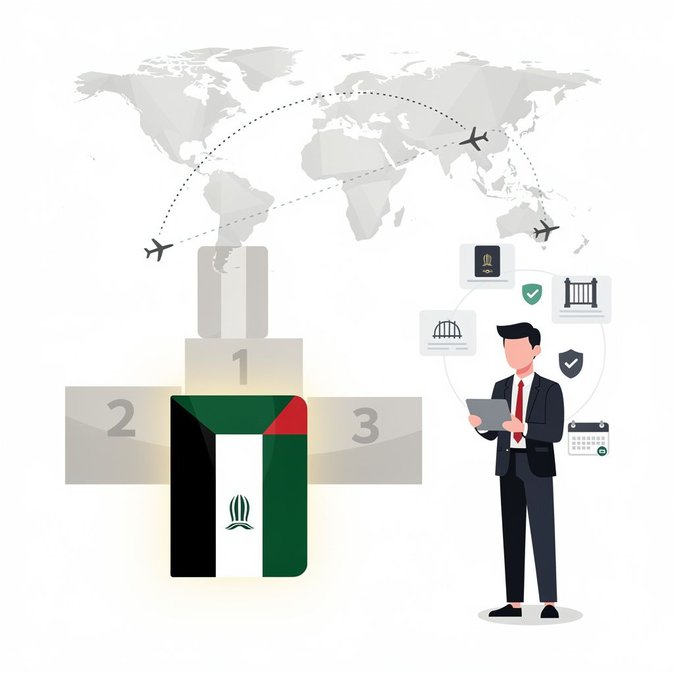
The October update of the Henley Passport Index, released on 23 October, shows the United Arab Emirates sharing second place with Japan and South Korea, each offering visa-free or visa-on-arrival access to 188 destinations. Singapore keeps the top slot with 193 destinations. The adjustment ends a three-year run during which the UAE climbed from 15th (2023) to solo second (2025). Industry analysts attribute the slight dip to incremental visa-policy changes in a handful of small island states and Caribbean nations, which granted access to Asian passports but already waived visas for Emiratis. Crucially, the UAE still leads the competing Arton Capital Passport Index, which uses a different methodology focused on real-time mobility scoring and counts 182 open destinations for Emirati citizens. For multinational employers, the index shuffle is mostly symbolic – UAE nationals continue to enjoy the broadest travel freedom of any Middle-East passport. Nevertheless, visa teams should note that 45 countries still require a pre-arranged visa or electronic travel authorisation from Emiratis, including the United States (ESTA) and most of the Schengen area once ETIAS launches. The UAE government has responded by doubling down on bilateral talks aimed at adding Latin American and African states to its visa-waiver list. Officials also highlight that Emiratis benefit from e-Gate privileges at 30 foreign airports, a perk not tracked by either ranking. From a talent-mobility perspective, the near-top ranking remains a selling point when relocating UAE citizens as project leads or regional managers – fewer entry barriers and faster airport processing translate into lower administrative overhead and higher trip productivity.
Source: Scoreclever Current Affairs