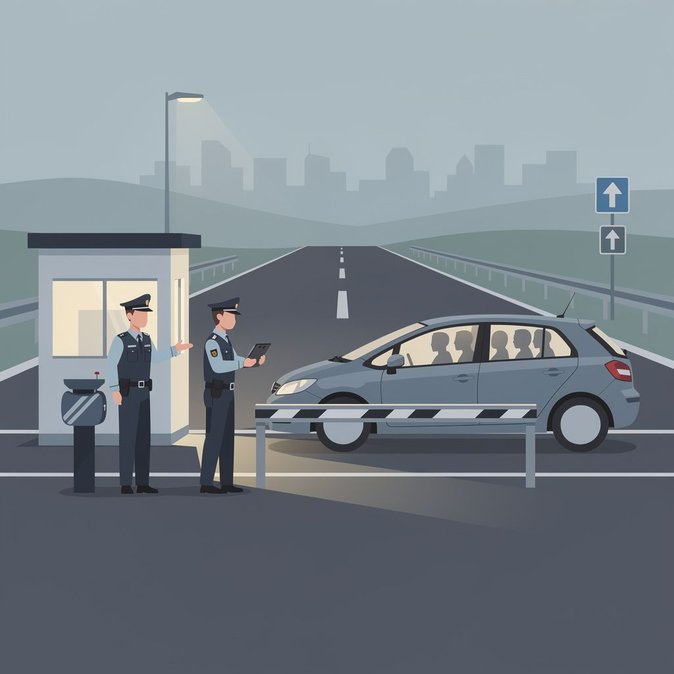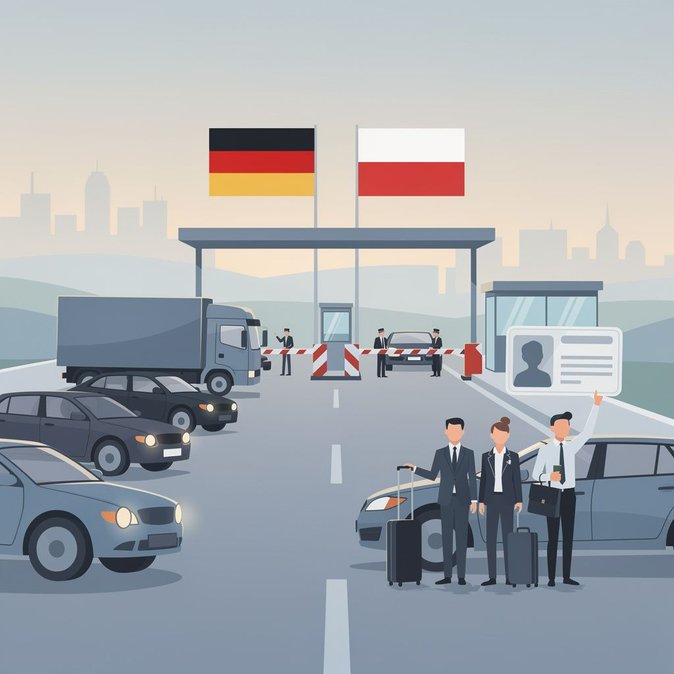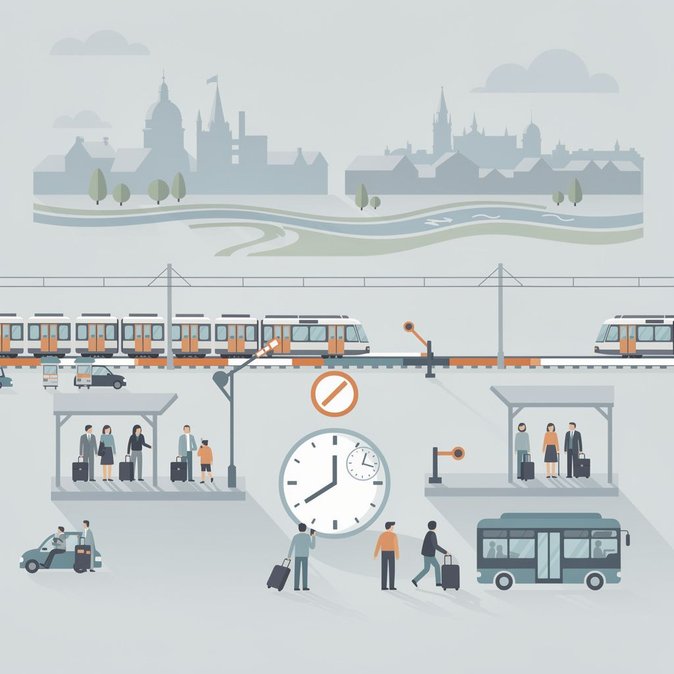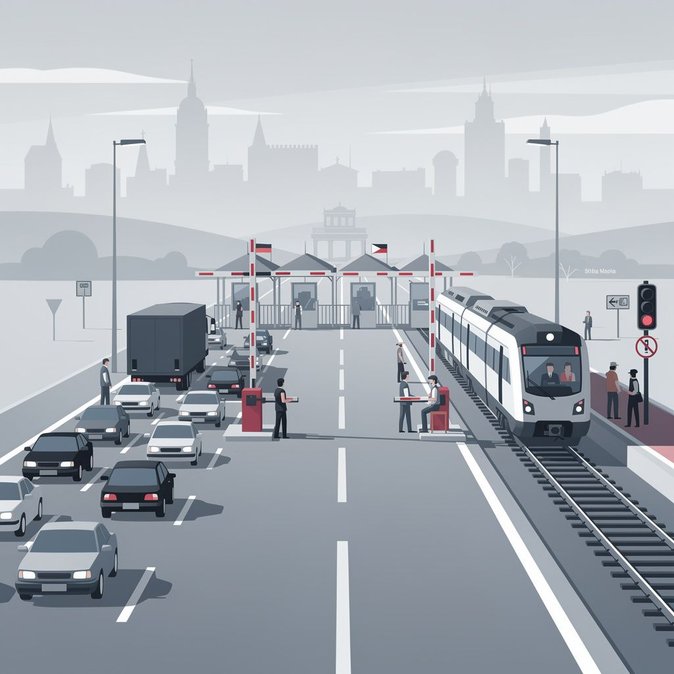
Germany will keep its controversial temporary checks at several of its internal Schengen borders in place for another four months. The Federal Interior Ministry confirmed late on 11 November that the current measure, which was due to expire in mid-November, has been prolonged until 15 March 2027. The controls affect the busy motor- and rail-crossings to Austria as well as the more recently introduced checks on the land frontiers with Poland, Czechia, Switzerland, France, Denmark, Belgium, the Netherlands and Luxembourg. While the regime remains risk-based rather than fully systematic, travellers have become accustomed to regular identity inspections and occasional vehicle searches. Officials justify the extension with continued pressure from irregular migration and people-smuggling networks. In the first ten months of 2026 the Federal Police recorded roughly 24,000 unauthorised entries at the eastern borders—almost double the previous year’s figure. Berlin argues that targeted controls provide a deterrent and support neighbouring countries’ own efforts, even if they sit uneasily with the spirit of the Schengen Area’s passport-free travel. Business groups and cross-border commuters have criticised the decision, warning of lost productivity, logistics delays and negative tourism effects in frontier regions. Hauliers report queue times of up to two hours at peak periods on the A12 (Frankfurt/Oder) and A17 (Breitenau). The European Commission will review the proportionality of Germany’s measures early next year but has so far refrained from a legal challenge. Companies should brief staff to carry passports or national ID cards, allow additional buffer time for road and rail journeys, and monitor the Federal Police’s traffic bulletins. Programme managers moving goods under “just-in-time” schedules may need to reschedule deliveries or reroute via less-congested crossings.
Source: ADAC News