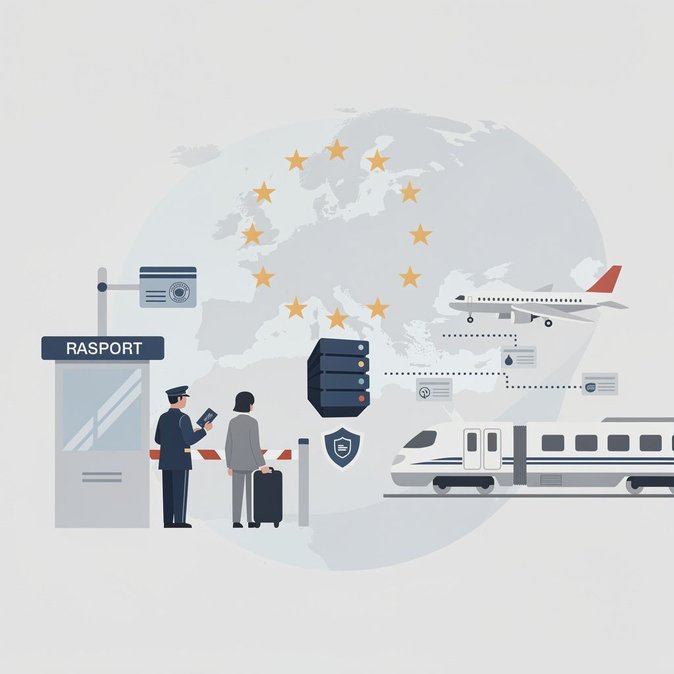
Senior officials from France’s Interior Ministry joined counterparts from 26 member states in Brussels on 12 November 2026 for the Council’s Working Party on Frontiers. Top of the agenda was the Commission’s draft recast of Regulation 2019/1896, which would expand Frontex executive powers, set higher minimum staffing levels for border checks and introduce rapid-deployment pools funded jointly by national budgets. France broadly supports the proposal; Interior Minister Gérald Darmanin argues that a stronger agency will allow Paris to scale back domestic police deployments at key crossing points such as Menton, Le Perthus and the Channel coast. However, Treasury officials warn the current text could cost France an additional €38 million per year in seconded officers and equipment contributions. Corporate mobility teams should track the file because one provision would let Frontex perform identity checks at selected Schengen internal borders when national forces are overstretched—potentially changing the experience for employees driving from Belgium into Lille or flying intra-EU into CDG. Data-protection clauses also require carriers to share Advance Passenger Information with Frontex in real time, raising compliance burdens for company shuttles and charter flights. The Czech Presidency hopes to reach a general approach by February 2027, but several delegations, including Hungary and Italy, still contest cost-sharing keys. Once adopted, the regulation would apply six months later, meaning late-2027 for operational impact in France.
How VisaHQ can help
VisaHQ simplifies the visa application process for individuals and businesses. Check current travel requirements, prepare the required documents and manage your application online through the VisaHQ France portal.More From France
View all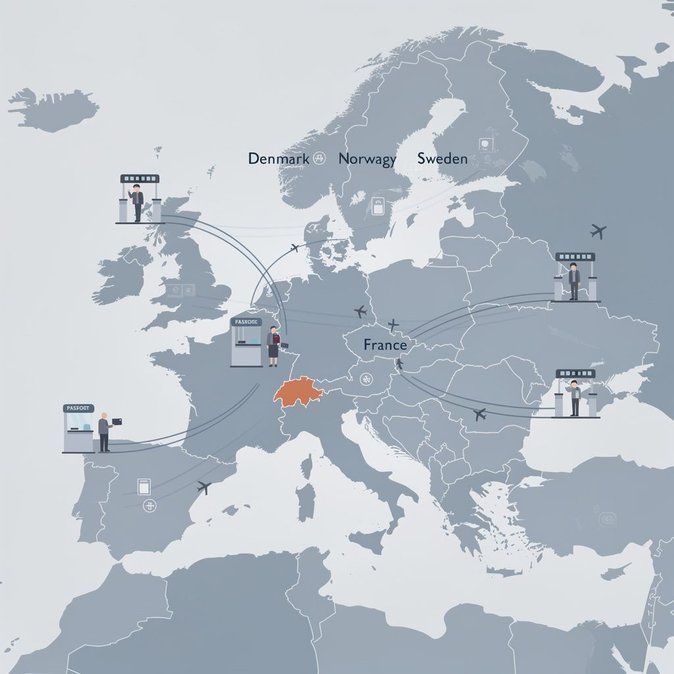
EU updates list of Schengen internal-border controls – France keeps six-month checks in place as Nordic states add fresh restrictions
Inspection finds UK-France ‘one-in, one-out’ small-boats returns pilot workable but poorly defined