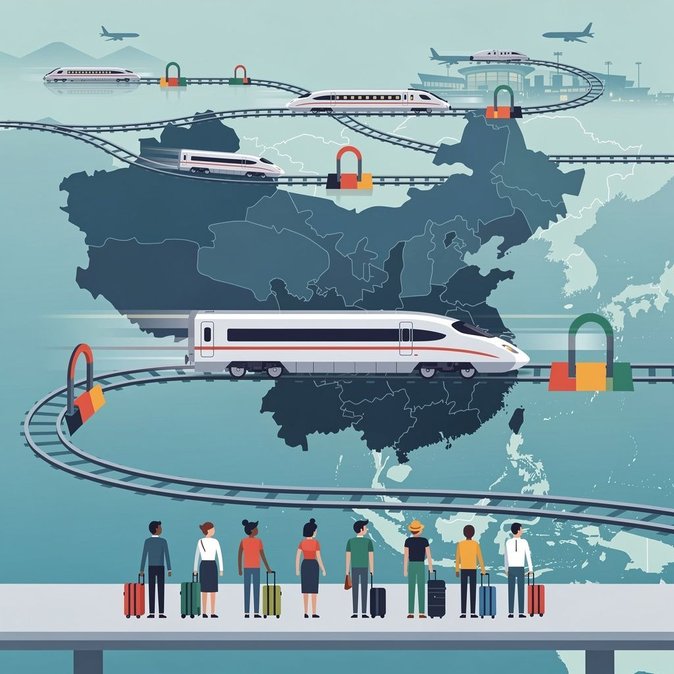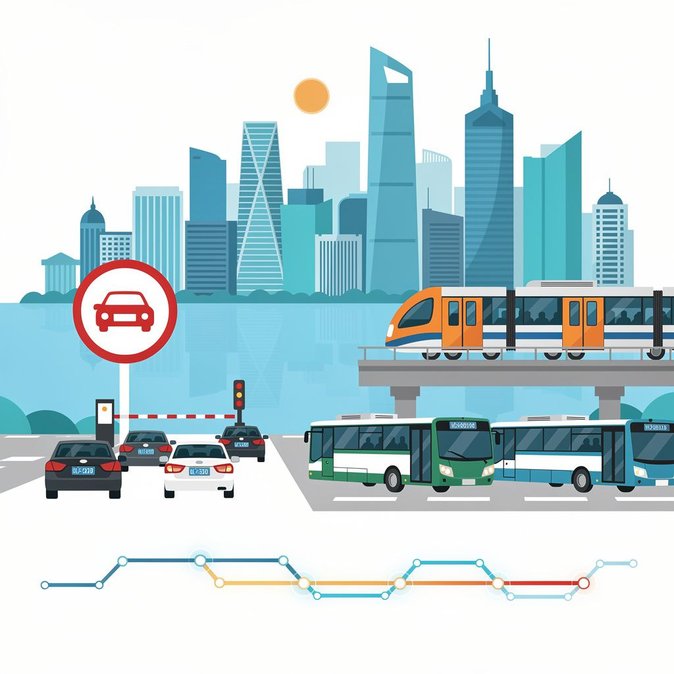
Beijing’s municipal government used a 14 November press conference on the city’s new 15th Five-Year Plan (2026-2030) to unveil its most ambitious package of measures yet to make life and business travel easier for foreigners. Officials said the capital will treat international mobility as a "whole-of-journey" experience—starting the moment a visitor books a ticket and extending through arrival, settlement and eventual departure. 1. Seamless entry and paperwork. Beijing will expand “paperless” and facial-recognition immigration clearance lanes at both Capital and Daxing airports and install dedicated visa desks for qualified business travellers. The city will also deepen use of China’s 30-day unilateral visa-free policy by allowing eligible visitors to convert to longer-term visas without leaving the mainland, and by integrating airport arrival information with the National Immigration Administration’s online visa-extension platform. 2. Cashless living for newcomers. Building on the “GO BEIJING” super-app, foreign bank cards (Visa, Mastercard, JCB, Amex) and Alipay+/WeChat Pay wallets from 90 overseas e-wallet partners will be accepted on the metro, taxis and ride-hailing within 2027. Telecom carriers will roll out an English-language eSIM that doubles as a UnionPay/QuickPass debit card, letting short-term visitors pay, ride and access government hotlines with one QR code. 3. Integrated talent services. Work-permit and social-security cards for foreign experts will be merged into a single NFC credential that also unlocks public-library access, medical appointments and tax rebates. Beijing will publish a dynamic list of recognised overseas professional qualifications and allow on-line title evaluations—crucial for multinationals posting engineers or R&D staff. 4. Multilingual city upgrade. Metro stations, high-speed-rail hubs, major hospitals and 600 tourist attractions will add real-time machine translation screens. The 12345 citizen hotline is hiring 300 more operators fluent in ten languages, while an AI assistant nick-named “Jingjing” will pre-screen common mobility queries. Why it matters: Beijing hosts more than 100 regional headquarters and R&D centres of Fortune 500 companies. HR and mobility managers say the biggest pain-points for assignees remain banking, telecoms and child education; the plan tackles all three. By bundling visa, banking and telecom processes—and allowing APEC Business Travel Card holders and visa-free travellers to access the same fast-track lanes—Beijing hopes to lift its share of China’s foreign direct investment and international conferences after a pandemic-era dip. Practical tips: • Mobility teams should prepare to pilot the new eSIM/bank card combo early next year. • Companies can apply for group “green-lane” status at Capital Airport to secure the promised 30-minute clearance target. • Schools recruiting expatriate teachers can fast-track work-permit renewals once the merged card is live.