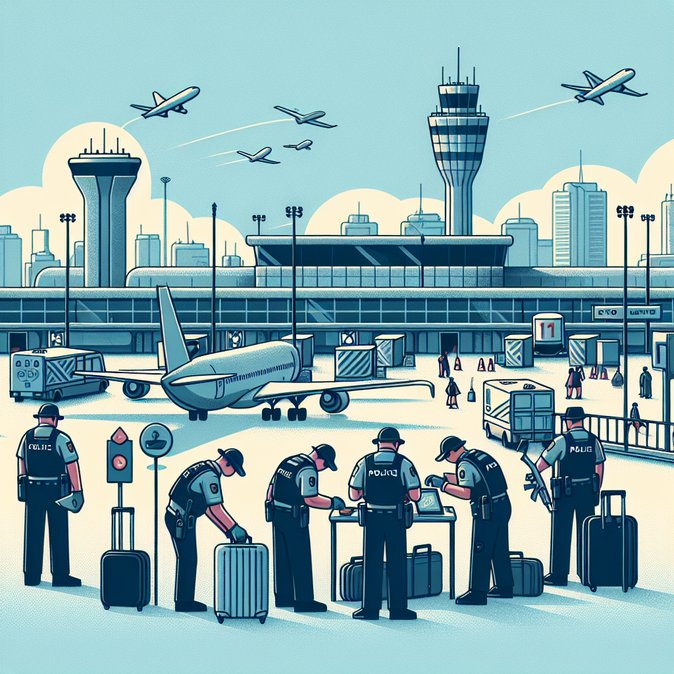
Brazil’s three largest carriers—LATAM, GOL and American Airlines—scrubbed 108 flights on 18-19 December after thunderstorms and a fragile power grid forced ground stops at São Paulo’s Congonhas Airport. The disruption cascaded across Guarulhos, Salvador, Belo Horizonte and Recife, derailing both domestic connectors and long-haul services to Boston and New York.
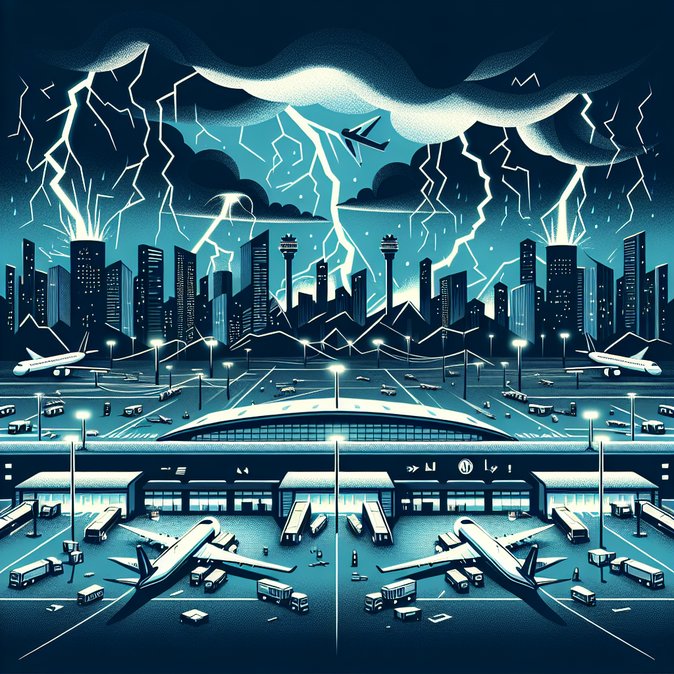
Congonhas’ electrical faults knocked out key navigation aids, causing air-traffic flow restrictions just as thunder-cells rolled through. Aircraft and crews were stranded out of position, triggering duty-time violations that forced further cancellations. LATAM alone axed 32 departures by Friday afternoon.
![Weather and crew shortages wipe out 108 flights across Brazil ahead of Christmas rush]()
Under ANAC Resolution 400 airlines must provide meals and lodging after four-hour delays, but consumer-protection agency Procon reported patchy compliance. Corporate travel managers are advising passengers to keep boarding passes and receipts as proof for reimbursement and to build buffer days into project timelines until at least 25 December, when spare-crew rosters are expected to stabilise.
Travellers rerouted through third-country hubs should double-check transit-visa requirements, while logistics teams moving urgent cargo are looking at diversions via Brasília or Buenos Aires to keep supply chains moving.
Congonhas’ electrical faults knocked out key navigation aids, causing air-traffic flow restrictions just as thunder-cells rolled through. Aircraft and crews were stranded out of position, triggering duty-time violations that forced further cancellations. LATAM alone axed 32 departures by Friday afternoon.
Under ANAC Resolution 400 airlines must provide meals and lodging after four-hour delays, but consumer-protection agency Procon reported patchy compliance. Corporate travel managers are advising passengers to keep boarding passes and receipts as proof for reimbursement and to build buffer days into project timelines until at least 25 December, when spare-crew rosters are expected to stabilise.
Travellers rerouted through third-country hubs should double-check transit-visa requirements, while logistics teams moving urgent cargo are looking at diversions via Brasília or Buenos Aires to keep supply chains moving.
Source: VisaHQ – Global Mobility News