Spain’s largest airport is stepping up security after a rise in rough sleepers using its terminals overnight.
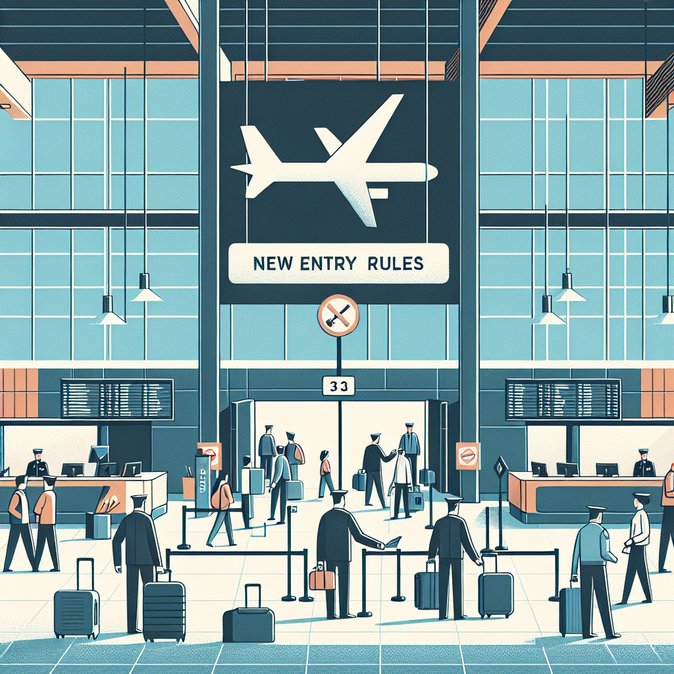
AENA informed staff on 18 January that, starting Wednesday, Adolfo Suárez Madrid-Barajas will restrict entry between 21:00 and 05:00 to passengers and their immediate companions. Additional private-security agents—22 in total—will validate boarding passes at main doors and call the National Police if non-travellers refuse to leave.
![Madrid-Barajas to tighten night-time access, limiting terminals to ticketed passengers]()
The operator stresses that the measure is not a full closure; flights, landside services and connecting-passenger flows will run as normal. Union UGT, however, questions the legal basis of private guards controlling access to a public facility and hints at a possible complaint to the Interior Ministry’s Private-Security Unit.
For business travellers the immediate impact is procedural. Late-evening departures or early-morning arrivals will require proof of travel to enter the building, and ‘meeters & greeters’ may be asked to wait outside. Global-mobility managers should advise relocating staff—especially those with large baggage or families—to allow extra curb-side time until the policy beds in.
The episode also highlights wider social-policy gaps. NGOs say chronic housing shortages in Madrid have pushed more homeless people to seek shelter in transport hubs; airlines counter that unattended sleepers create safety risks and complicate Schengen-border integrity. Whether Barajas becomes a test case for similar restrictions at Barcelona El Prat or Málaga-Costa del Sol will depend on how effectively the midnight checks balance humanitarian concerns with operational security.
AENA informed staff on 18 January that, starting Wednesday, Adolfo Suárez Madrid-Barajas will restrict entry between 21:00 and 05:00 to passengers and their immediate companions. Additional private-security agents—22 in total—will validate boarding passes at main doors and call the National Police if non-travellers refuse to leave.

The operator stresses that the measure is not a full closure; flights, landside services and connecting-passenger flows will run as normal. Union UGT, however, questions the legal basis of private guards controlling access to a public facility and hints at a possible complaint to the Interior Ministry’s Private-Security Unit.
For business travellers the immediate impact is procedural. Late-evening departures or early-morning arrivals will require proof of travel to enter the building, and ‘meeters & greeters’ may be asked to wait outside. Global-mobility managers should advise relocating staff—especially those with large baggage or families—to allow extra curb-side time until the policy beds in.
The episode also highlights wider social-policy gaps. NGOs say chronic housing shortages in Madrid have pushed more homeless people to seek shelter in transport hubs; airlines counter that unattended sleepers create safety risks and complicate Schengen-border integrity. Whether Barajas becomes a test case for similar restrictions at Barcelona El Prat or Málaga-Costa del Sol will depend on how effectively the midnight checks balance humanitarian concerns with operational security.
Source: Infobae España