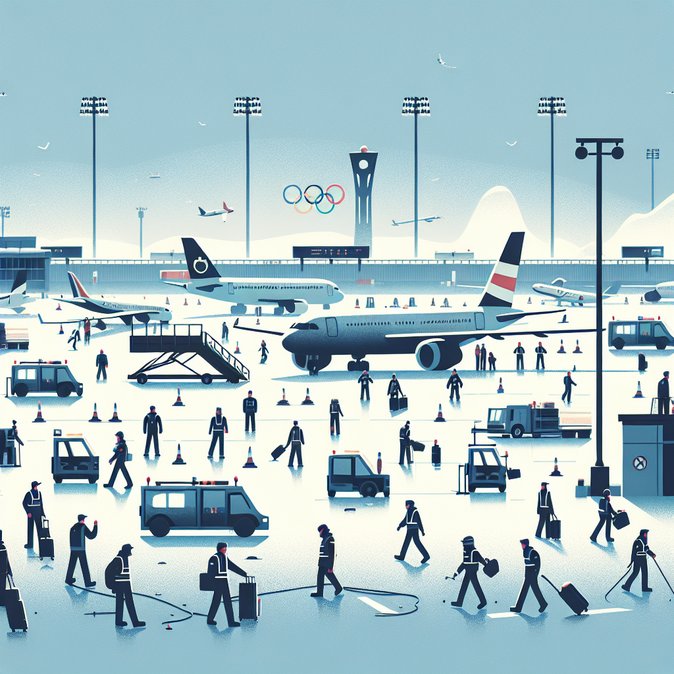
Paris’s two largest airports endured a bruising operational day on Tuesday, with flight-tracking data showing 357 delays and three cancellations across Charles-de-Gaulle (CDG) and Orly (ORY). CDG shouldered the heaviest load—268 delayed movements and two cancellations—while ORY registered 89 delays and a single cancellation. Air France, Delta, Lufthansa and several Gulf and Asian carriers were among those forced to adjust schedules.(travelandtourworld.com)
Although the airport operator Aéroports de Paris has not specified a single cause, ground-handling unions report staff shortages linked to the rolling public-service strike, while meteorologists pointed to low-level fog that reduced runway capacity during the morning peak. Regardless of trigger, the knock-on effects rippled through hub-and-spoke networks: departing executives missed onward connections in London, Frankfurt and New York, and inbound crews went out-of-hours, obliging airlines to rejig rosters.
![357 flight delays at Paris-CDG and Orly snarl corporate itineraries on 3 February]()
For mobility managers the timing is awkward. February traditionally brings a surge of project kick-offs and trade-fair visits (notably the Viva Technology exhibitor briefings later in the month). Travel buyers are now scrambling to re-route passengers via Lyon, Brussels or Amsterdam and revisiting service-level agreements with TMCs to ensure proactive disruption alerts.
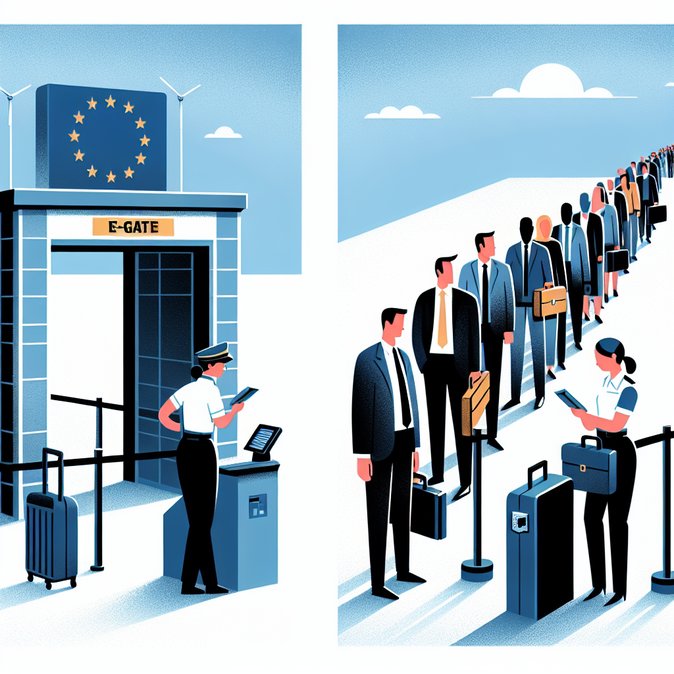
The episode also underlines the still-fragile resilience of Paris hubs ahead of the Olympic year. ADP is installing additional EES kiosks and refurbishing Terminal 1 baggage halls, works that narrow taxiways and stand availability. Companies with time-critical cargo or personnel transfers should therefore maintain contingency budgets for day-of-travel changes and consider flexible tickets that protect against EU 261 compensation liabilities.
ADP said normal flow had resumed by late afternoon, but analysts at OAG warned that crew-rotation ripple effects could persist for 24–36 hours. Travellers heading to Paris on 4 February are advised to monitor flight status closely and build extra time into meeting schedules.
Although the airport operator Aéroports de Paris has not specified a single cause, ground-handling unions report staff shortages linked to the rolling public-service strike, while meteorologists pointed to low-level fog that reduced runway capacity during the morning peak. Regardless of trigger, the knock-on effects rippled through hub-and-spoke networks: departing executives missed onward connections in London, Frankfurt and New York, and inbound crews went out-of-hours, obliging airlines to rejig rosters.

For mobility managers the timing is awkward. February traditionally brings a surge of project kick-offs and trade-fair visits (notably the Viva Technology exhibitor briefings later in the month). Travel buyers are now scrambling to re-route passengers via Lyon, Brussels or Amsterdam and revisiting service-level agreements with TMCs to ensure proactive disruption alerts.
The episode also underlines the still-fragile resilience of Paris hubs ahead of the Olympic year. ADP is installing additional EES kiosks and refurbishing Terminal 1 baggage halls, works that narrow taxiways and stand availability. Companies with time-critical cargo or personnel transfers should therefore maintain contingency budgets for day-of-travel changes and consider flexible tickets that protect against EU 261 compensation liabilities.
ADP said normal flow had resumed by late afternoon, but analysts at OAG warned that crew-rotation ripple effects could persist for 24–36 hours. Travellers heading to Paris on 4 February are advised to monitor flight status closely and build extra time into meeting schedules.
Source: Travel and Tour World