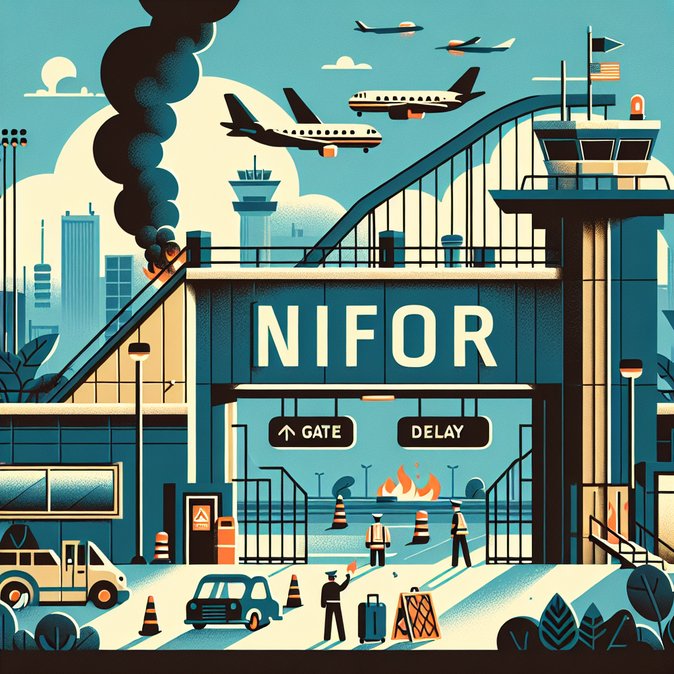
A short-circuit in an electrical powerhouse triggered a fire at Mumbai’s Chhatrapati Shivaji Maharaj International Airport (CSMIA) Terminal 1 at 18:10 IST on 9 April 2026. Airport fire teams contained the blaze within minutes; no injuries were reported and flight operations continued, but video footage showing thick smoke in the arrivals forecourt quickly went viral. Terminal 1 handles domestic services for IndiGo, SpiceJet and Go First. Although departures remained on schedule, several arriving flights experienced gate-allocation delays as emergency crews secured the area. CSMIA’s operator confirmed that redundant power feeds prevented baggage systems and passenger-processing kiosks from going offline, but the incident has revived debate over the 54-year-old terminal’s ageing electrical infrastructure. For business-travel managers the episode is a reminder to build contingency buffers: many travellers had stacked tight connections to the new Navi Mumbai airport, 40 km away, only to face unexpected road-transfer congestion when Terminal 1’s vehicular lanes were briefly closed. Airlines advised passengers to monitor app notifications and arrive early for late-evening flights until a safety audit is completed. The Directorate General of Civil Aviation has ordered an inquiry and asked all Indian airports to submit updated electrical-safety certificates within 15 days. Insurance brokers say premiums for airport-operator liability could inch higher if follow-up inspections reveal systemic issues. Take-away: while the fire caused minimal disruption, corporates should treat it as a warning to review Mumbai contingency plans—especially for high-stakes same-day meetings—until the DGCA publishes its findings.
Source: The Times of India