Indian missions appoint Al Hind as sole outsourcing partner for passport and visa processing across UAE
Austria switches on EU Asylum Pact: tougher screening starts at Vienna Airport
EU Migration and Asylum Pact enters into force, reshaping Belgium’s asylum system
Latest News

EU Migration and Asylum Pact Enters Into Force, Bringing Sweeping Changes to Belgium’s Border and Asylum Procedures
The EU’s Migration and Asylum Pact took effect on 12 June 2026, compelling Belgium to introduce 24-hour biometric registration, seven-day screening, and faster asylum and return procedures. New solidarity rules will periodically oblige Belgium to accept relocated applicants or make financial contributions, while recognised refugees gain labour-market access after six months. Corporates should prepare for longer queues at external borders but benefit from clearer Schengen transit rules. The reform is one of the most consequential overhauls of Belgian immigration practice in decades.

EU Migration and Asylum Pact Takes Effect, Marking Biggest Overhaul of Belgian Migration Rules in Two Decades
From 12 June 2026 Belgium must apply the EU’s new Migration and Asylum Pact, bringing compulsory biometric screening and a four-month decision deadline for all asylum claims. Businesses could benefit from faster processing but face new quotas and solidarity payments, while NGOs warn of tougher border detention. The overhaul is the largest change to Belgian migration practice since 2015 and will directly affect employers moving staff into the country.

EU Migration & Asylum Pact Takes Force: What It Means for Belgium’s Borders and Businesses
The EU’s Migration & Asylum Pact entered into force on 12 June 2026. Belgium must now run mandatory biometric checks, apply three-month asylum deadlines and enforce the new Entry/Exit System. Businesses face tighter Schengen-day monitoring but could gain faster permits for high-skill hires. Implementation will cost Belgium an estimated €58 million this year and is already lengthening border-control queues.

EU Migration & Asylum Pact Takes Effect: Belgium Activates New Border-Management Playbook
The EU’s long-awaited Migration & Asylum Pact became legally binding on 12 June 2026. Belgium must now apply tougher border screening, shorter asylum deadlines and an EU-wide solidarity mechanism, while giving asylum-seekers access to the labour market after six months. Companies should prepare for slightly longer airport formalities, new compliance fields in LIMOSA notifications and tighter standards for worker accommodation.

EU ministers in Nicosia launch Migration & Asylum Pact, pledge rights safeguards at proposed ‘return hubs’
EU migration ministers met in Nicosia on 12 June to mark the start of the bloc’s Migration & Asylum Pact. Commissioner Magnus Brunner promised strict human-rights oversight of any ‘return hubs’ for rejected applicants and hailed early drops in irregular crossings. Cyprus said it will join hub negotiations after its EU Presidency and will showcase solidarity through a relocation deal with Lithuania. The pact’s rollout brings tighter border checks and faster asylum timelines that global-mobility teams should factor into workforce planning.

EU Migration & Asylum Pact Takes Effect; Czech Republic Aligns Procedures
The EU’s Pact on Migration and Asylum entered into force on 12 June 2026. Czechia has rushed through legislative amendments and infrastructure upgrades to comply, adding a mandatory five-day pre-entry screening for all first-time third-country applicants. Companies should expect longer lead-times for work and residence permits, while the government will contribute cash rather than accept relocated asylum-seekers under the pact’s solidarity mechanism.

Germany begins enforcing EU Migration & Asylum Pact as GEAS enters into force
Germany activated the EU’s new Migration & Asylum Pact at midnight on 12 June, embedding fast-track border screening, biometric collection and 12-week accelerated procedures in national law. The measures aim to speed up rejections and returns but raise human-rights and operational concerns – especially around fingerprinting children and the impact on legitimate business travellers from ‘medium-risk’ countries.
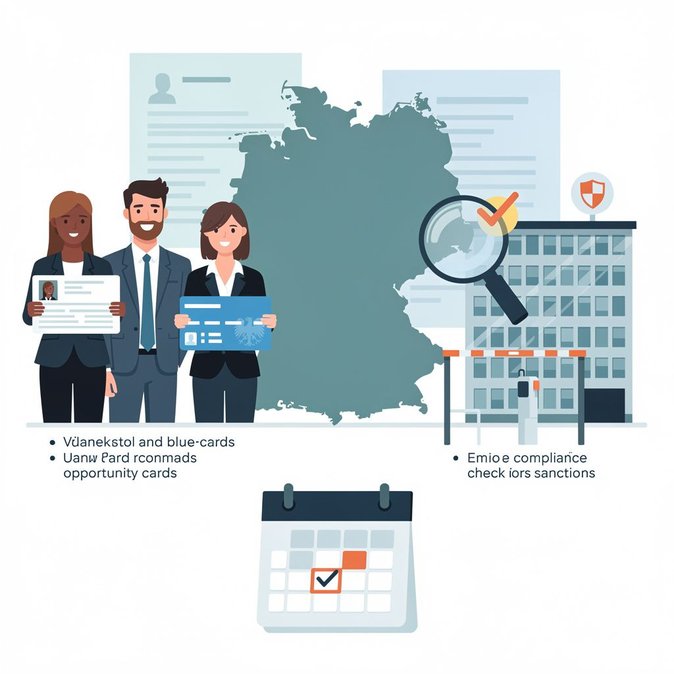
Germany overhauls Residence Act as GEAS adaptation law takes effect
Germany has published a GEAS-alignment law that rewrites large parts of the Residence Act. Key points include lower, formula-based Blue-Card salary thresholds, an expanded opportunity-card, new border-check powers and tougher employer sanctions. Global-mobility teams must update salary benchmarks and filing processes before transitional arrangements expire on 30 September.
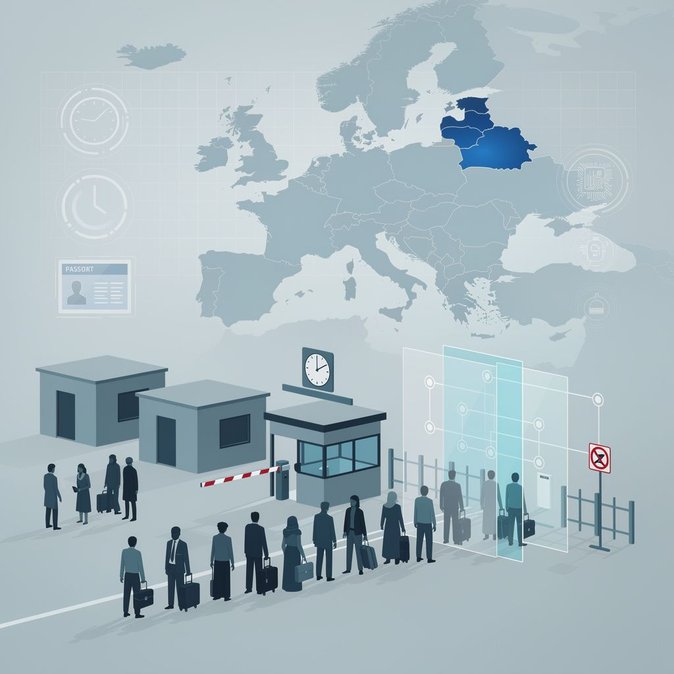
EU Migration Pact Comes into Force: Finland Overhauls Asylum and Return Procedures
The EU Pact on Migration and Asylum took effect on 12 June 2026, triggering sweeping changes to Finland’s asylum, reception and return systems. Finland must introduce a 12-week border procedure, hire hundreds of staff and integrate new EU-wide databases. Business travellers and employers should prepare for stricter carrier-liability checks and Schengen-wide entry bans for overstayers.

EU Migration and Asylum Pact takes effect – major operational changes at Finland’s borders start today
The EU’s Migration and Asylum Pact came into force on 12 June 2026, giving Finland new powers to screen, fast-track or reject asylum claims at the border. Employers will face tighter documentation checks and accelerated decision timelines, while authorities gain tools to detain and return rejected applicants more quickly. The changes aim to curb secondary movement and people-smuggling but raise compliance stakes for internationally mobile staff.

EU Pact on Migration and Asylum Takes Effect, Bringing New Screening and Solidarity Rules to France
The EU’s new Pact on Migration and Asylum entered into force on 12 June 2026. France must now apply five-day border screenings, join a mandatory relocation or payment scheme, and grant asylum-seekers labour-market access after six months. Businesses should expect longer queues at borders this summer and earlier recruitment possibilities for certain applicants. The reform is meant to stabilise Schengen and share responsibility among member states, but its domestic political implications remain hotly debated in Paris.

EU Migration & Asylum Pact Enters Into Force, Marking Major Shift for France and Schengen Travel
The EU’s new Migration & Asylum Pact took effect on 12 June, compelling France to introduce biometric screening and accelerated border-asylum procedures while benefiting from a solidarity mechanism designed to share responsibility across member states. Business-travel groups forecast short-term disruption at airports and land borders, but hope for smoother processing once systems bed in. The reforms matter because they tighten entry controls just as France prepares for a busy summer of cross-border travel and faces domestic debate over migration.
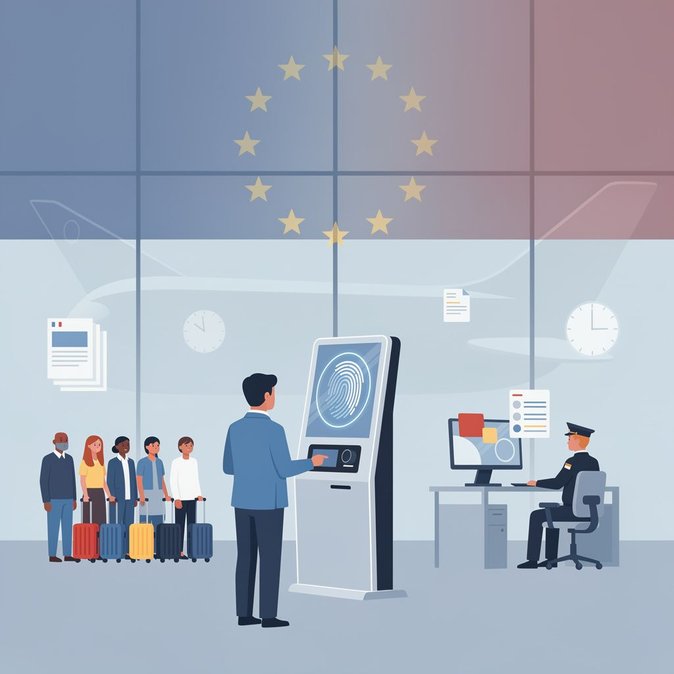
EU Migration Pact Enters Into Force, Bringing Stricter Border and Asylum Rules to France
On 12 June 2026 the EU’s Migration and Asylum Pact took effect, forcing France to introduce biometric border checks, five-day asylum screenings and tighter appeal windows. The changes will lengthen airport processing for non-EU travellers and add compliance duties for companies moving staff to France. With the G7 summit and national elections on the horizon, the new rules carry both operational and political weight.

France issues ministerial circular to implement EU Migration & Asylum Pact
France has become one of the first EU countries to spell out exactly how the new EU Migration & Asylum Pact will work on its territory, issuing a detailed circular to all immigration services. The guidance introduces biometric border-screening, faster processing of ‘safe-country’ asylum claims and new obligations for talent visas, creating both compliance challenges and potential delays for employers relocating staff to France. Businesses should review assignment lead-times and monitor further legislative steps.

Ireland’s International Protection Act 2026 Comes Into Force, Overhauling Asylum System
Ireland activated the International Protection Act 2026 today, introducing biometric screening at the border, faster case-handling tracks, a new appeals tribunal and tougher family-reunification thresholds. The reform seeks to align Irish asylum rules with the EU Migration Pact and cut accommodation costs, but employers and NGOs are assessing how the accelerated timelines and stricter reunification rules will play out in practice.

Ireland Brings International Protection Act 2026 into Force, Overhauling Asylum Procedures
The International Protection Act 2026 took effect on 12 June, introducing a single accelerated asylum procedure, strict decision deadlines and a new Tribunal for Asylum and Returns Appeals. The overhaul is designed to align Ireland with the EU Pact on Migration and Asylum and to cut the current backlog, with potential benefits for employers who rely on timely residence decisions. NGOs welcome greater resources but caution that speed must not undermine fairness.
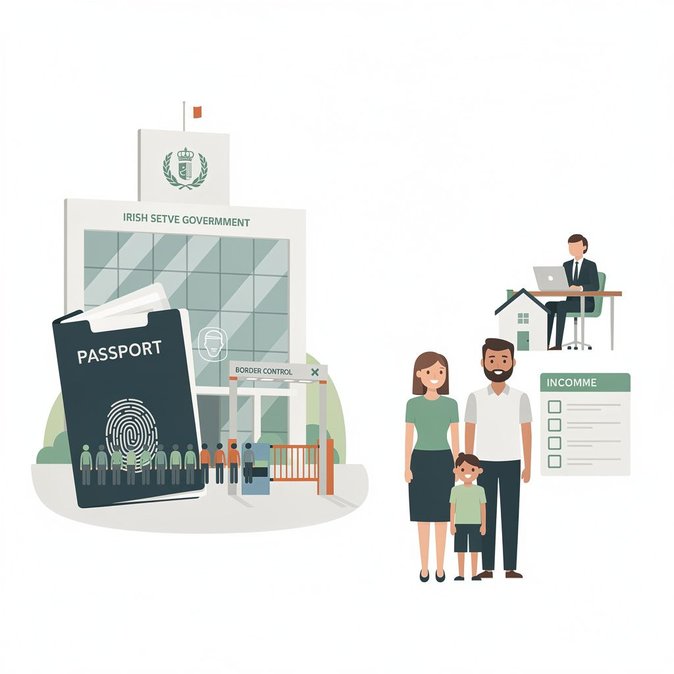
Ireland Implements International Protection Act 2026, Overhauling Asylum System
Ireland’s International Protection Act 2026 entered into force on 12 June, introducing biometric screening, a 12-week border procedure for low-grant cases, and stiffer financial thresholds for family reunification. The reform, which transposes elements of the EU Migration Pact, aims to slash backlogs and costs while reassuring the public. Employers must adapt mobility policies to the new accommodation and income tests.