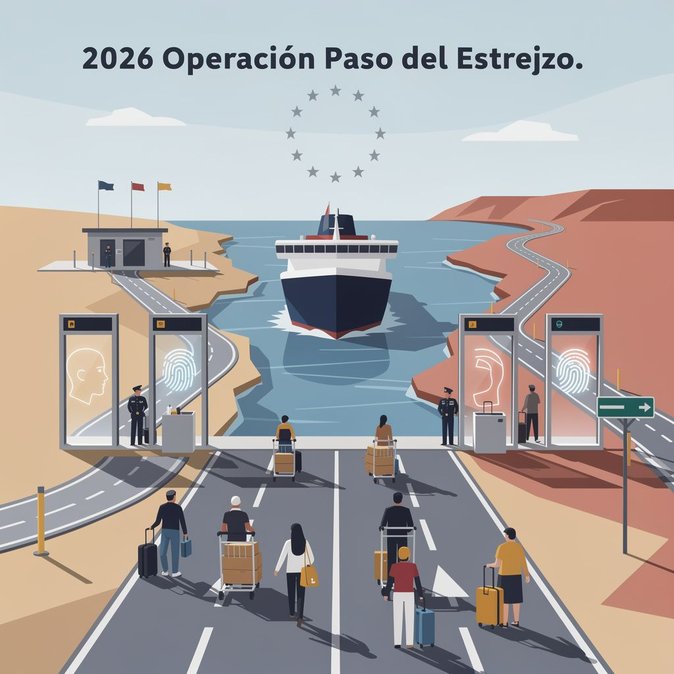
The lower house of Spain’s parliament will on Tuesday, 16 June, vote on a Partido Popular motion to freeze Aena’s airport charges for 2026. Aena plans a 6.5 percent hike to finance terminal upgrades and biometric-border technology, but hoteliers and airlines warn the increase would erode Spain’s price competitiveness just as international visitor numbers return to pre-pandemic highs. The national business-travel association estimates that a mid-haul return ticket could rise by €9–€14 if airlines pass the full fee onto passengers. For multinational employers rotating staff through Madrid-Barajas every month, that could translate into five-figure annual cost increases. Low-cost carriers Ryanair and Vueling have threatened to cut winter capacity if the hike proceeds. Conversely, Aena argues that without extra cash it cannot meet EU mandates for Entry/Exit System infrastructure, potentially causing even longer queues and jeopardising Spain’s hub status. Observers expect a tight vote: regional parties from tourism-dependent Balearic and Canary Islands may back the freeze, while the governing PSOE says investment is non-negotiable. Should the freeze pass, Aena may seek compensation via government subsidies or higher concession rents for retail outlets, costs that could still filter through to travellers indirectly. Mobility budgets for 2026 should therefore plan for either direct airfare increases or higher ancillary charges within Spanish airports.
Source: Infobae