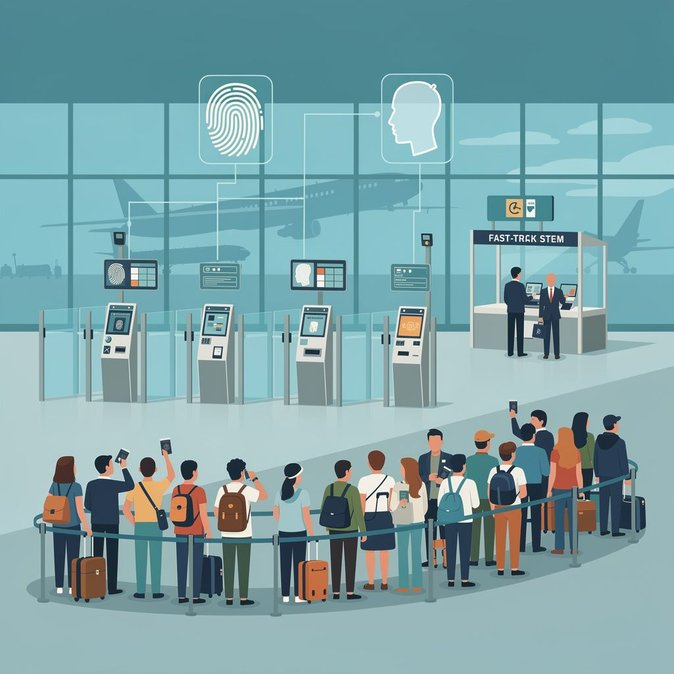
Speaking at an aviation summit in Prague on June 24, ACI Europe president Stefan Schulte urged governments to ‘stop pretending’ the European Union’s new Entry-Exit System (EES) is functioning smoothly. The digital border scheme—fully activated earlier this year—captures fingerprints and facial scans of all non-EU visitors and is intended to replace manual passport stamping. Schulte, who also heads Frankfurt Airport, said some hubs are already seeing queues stretch several hours during peak periods and predicted a “complete collapse” if technical and staffing issues are not fixed before the late-summer surge. The European Commission currently allows national border agencies to suspend EES until September in exceptional circumstances, but operators have no unilateral authority to do so. The warning is particularly salient for Canadian carriers and tour operators. A World Travel & Tourism Council (WTTC) survey of 2,500 travellers—including a Canadian cohort—found that one-third would rethink European holidays if routine border waits exceed three hours. WTTC models project up to 41 million lost arrivals and US$45 billion in forgone spending across the Schengen Area should delays persist into 2027. Airlines such as Air Canada and WestJet have already lengthened minimum connection times at major European hubs to accommodate the new biometric checks. Travel managers booking multi-sector itineraries for executives should verify whether intra-Schengen layovers meet updated thresholds; missed onward flights could trigger additional EU-261 compensation obligations. Until processes stabilise, experts recommend that Canada-based travellers fly into smaller secondary airports where EES throughput has been less problematic, or choose direct services into the United Kingdom—still outside Schengen—before transiting by rail or air to continental destinations.
Source: Pax News