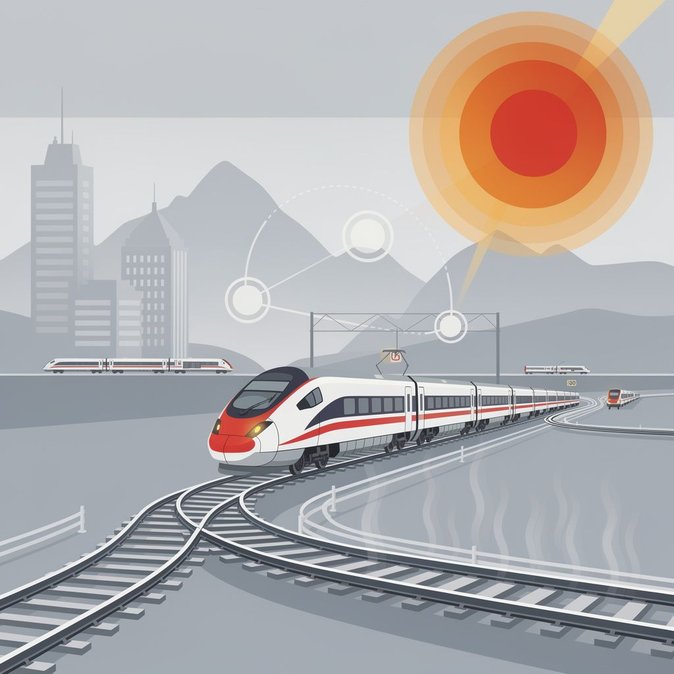
With temperatures heading towards 40 °C, Austrian Federal Railways (ÖBB) activated its “Heat Level 2” protocol on 26 June, imposing speed restrictions on sections of track in Vorarlberg and the Tyrol to prevent rail buckling. Early afternoon services between Götzis, Hohenems and St Margrethen experienced delays, and the operator cautioned that further disruptions could follow if the mercury continues to rise over the weekend.
Travellers who suddenly need to reroute, extend their stay or secure transit documents because of these rail disruptions can handle the paperwork online through VisaHQ. The platform provides quick, step-by-step guidance for Austrian visas—along with permits for dozens of neighbouring countries—helping passengers avoid extra consulate visits while they monitor schedule changes. Learn more at https://www.visahq.com/austria/
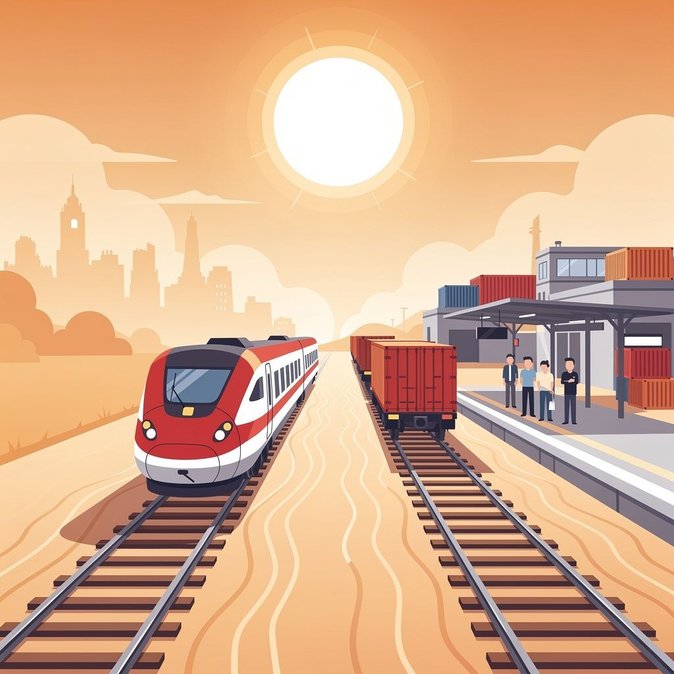
The measures include additional track inspections, reduced speeds through switch zones and readiness teams for emergency repairs. Passengers are being asked to travel only if necessary, carry extra water and check the ÖBB app for real-time updates. Freight services may also be resequenced to give priority to long-distance passenger trains, potentially affecting just-in-time supply chains. Austria’s rail network has invested heavily in heat-resilient infrastructure—such as concrete sleepers and continuous welded rail—but prolonged extreme temperatures still trigger safety thresholds. Climate scientists warn that the Alps are warming faster than the global average, making such heat-wave protocols more frequent. Corporate mobility managers should build contingency time into itineraries and consider switching short-haul meetings to video if delays intensify. Employers with field staff should remind them of heat-stress precautions, while logistics teams using rail freight may need to adjust delivery schedules.
Travellers who suddenly need to reroute, extend their stay or secure transit documents because of these rail disruptions can handle the paperwork online through VisaHQ. The platform provides quick, step-by-step guidance for Austrian visas—along with permits for dozens of neighbouring countries—helping passengers avoid extra consulate visits while they monitor schedule changes. Learn more at https://www.visahq.com/austria/
The measures include additional track inspections, reduced speeds through switch zones and readiness teams for emergency repairs. Passengers are being asked to travel only if necessary, carry extra water and check the ÖBB app for real-time updates. Freight services may also be resequenced to give priority to long-distance passenger trains, potentially affecting just-in-time supply chains. Austria’s rail network has invested heavily in heat-resilient infrastructure—such as concrete sleepers and continuous welded rail—but prolonged extreme temperatures still trigger safety thresholds. Climate scientists warn that the Alps are warming faster than the global average, making such heat-wave protocols more frequent. Corporate mobility managers should build contingency time into itineraries and consider switching short-haul meetings to video if delays intensify. Employers with field staff should remind them of heat-stress precautions, while logistics teams using rail freight may need to adjust delivery schedules.