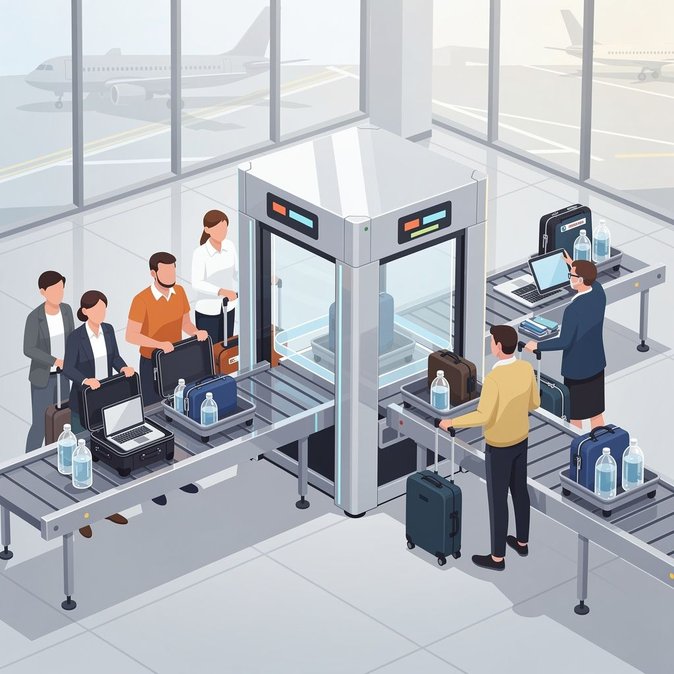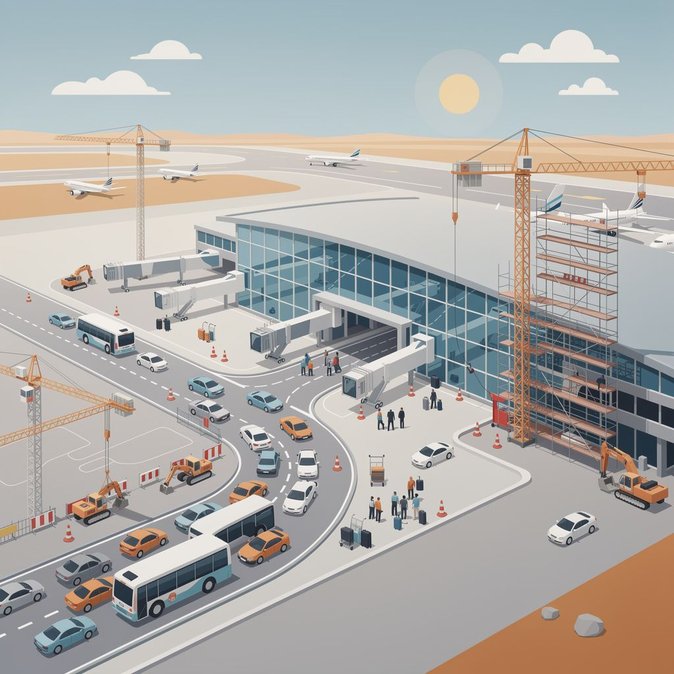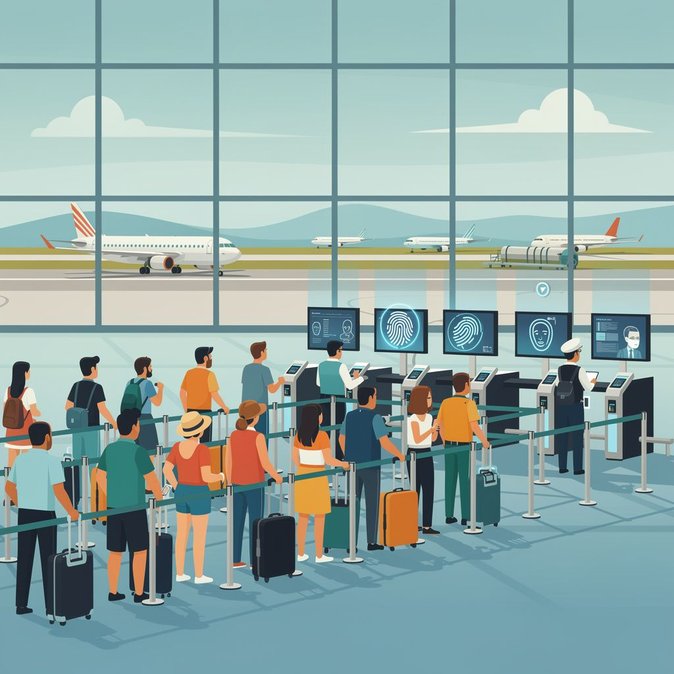
Europe’s aviation bodies—ACI Europe, Airlines for Europe and IATA—have written to Commission President Ursula von der Leyen warning that the new Schengen Entry/Exit System (EES) is already producing border queues of up to five hours and forcing flights to depart half-empty. The organisations want member states to be able to switch the system off during July-August peaks when border-staff capacity is overwhelmed. The call was echoed on 1 July 2026 by the World Travel & Tourism Council, which estimates that waits exceeding three hours could deter up to 41 million potential visitors and €45 billion in spending this season. Although the rules target non-EU nationals, knock-on gate delays are affecting Schengen flights as ground-handling resources are diverted. For Austria—where Vienna Airport expects more than 320,000 passengers over the first holiday weekend—the risk is acute. The hub has invested heavily in self-service kiosks and new CT scanners, but those efficiencies are nullified if arriving travellers spend hours in immigration queues. Tour operators report early signs of booking deferrals for long-haul customers wary of disruption at European gateways. Austrian corporate mobility managers should monitor daily queue times published by the Interior Ministry and build longer connection buffers into itineraries, especially for staff returning from non-EU assignments. If the Commission grants the requested flexibility, companies may see uneven application across member states; Vienna could opt in to suspensions on extremely busy days, while neighbouring airports might not. Longer term, industry groups want the Commission to accelerate adoption of the ‘Travel to Europe’ pre-registration app and guarantee minimum staffing ratios before full EES enforcement resumes in September. Businesses relying on predictable crew changes and executive travel should engage with trade associations to ensure Austrian interests are represented in those talks.
Source: Ukrainian National News & WTTC