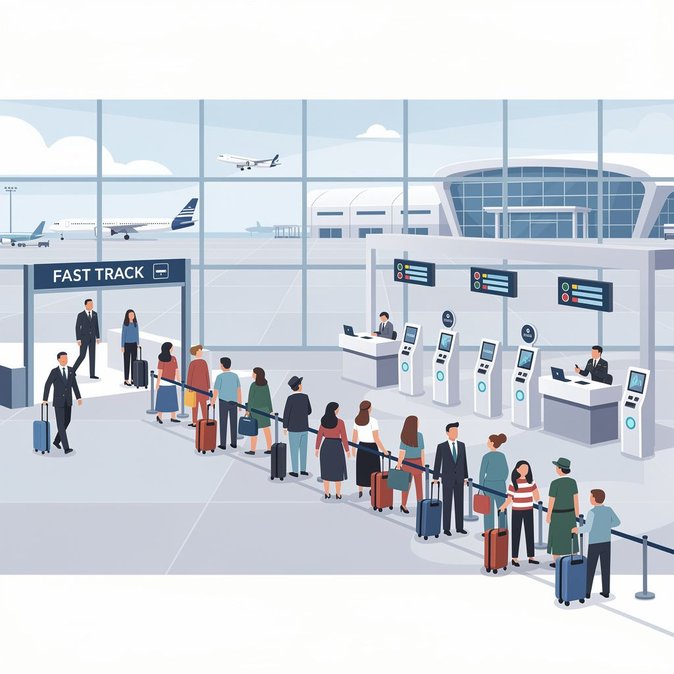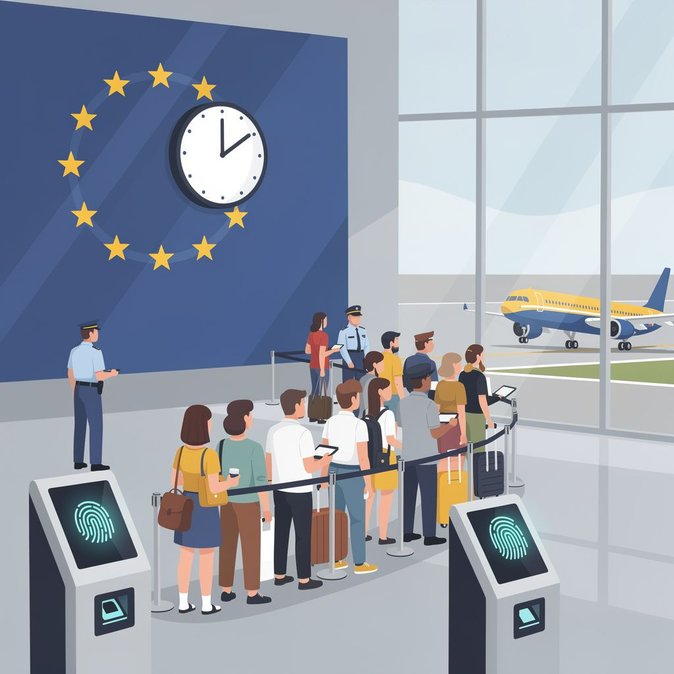
Low-cost carrier Ryanair ratcheted up pressure on German authorities on 2 July, warning that the roll-out of mandatory fingerprint capture under the Entry/Exit System (EES) could create “queue chaos” at Berlin Brandenburg Airport and other German gateways. In comments to UK and German media, Ryanair’s Director of Operations Neal McMahon said non-EU passengers at BER’s Terminal 2—home to Ryanair and Wizz Air—were already waiting up to two hours, calling the situation “not bearable over the summer.” Airport CEO Aletta von Massenbach confirmed the figures, noting that only six of the planned 20 biometric kiosks are live because of software integration delays. The airport has erected tents outside the terminal to shelter overflow queues and is bussing in 60 temporary staff from Dresden Airport to manage passenger flow, but warns that daily peak throughput could still exceed capacity by 35 per cent once the Berlin school holidays start on 18 July. The airline is urging the European Commission to suspend fingerprint requirements until at least September, echoing a wider industry letter sent earlier this week by ACI Europe and IATA. German tour operator association DRV says leisure groups risk missing coach transfers and ferry connections, while corporate travel buyers fear spiralling expenses as employees miss meetings or overnight accommodations become necessary. Legal experts caution that carriers remain liable for denied-boarding compensation under EU261 even when immigration delays are to blame, unless they can prove “extraordinary circumstances” beyond their control. Ryanair, however, believes the systemic nature of the delays strengthens its case for exemption. For mobility managers, the immediate takeaway is to brief assignees on possible long waits at BER and to encourage pre-enrolment via the EU’s upcoming “Travel to Europe” app once it goes live later this month. Some firms are already shifting intra-EU meetings to Warsaw or Prague to avoid Berlin until the issue stabilises.
Source: The Guardian