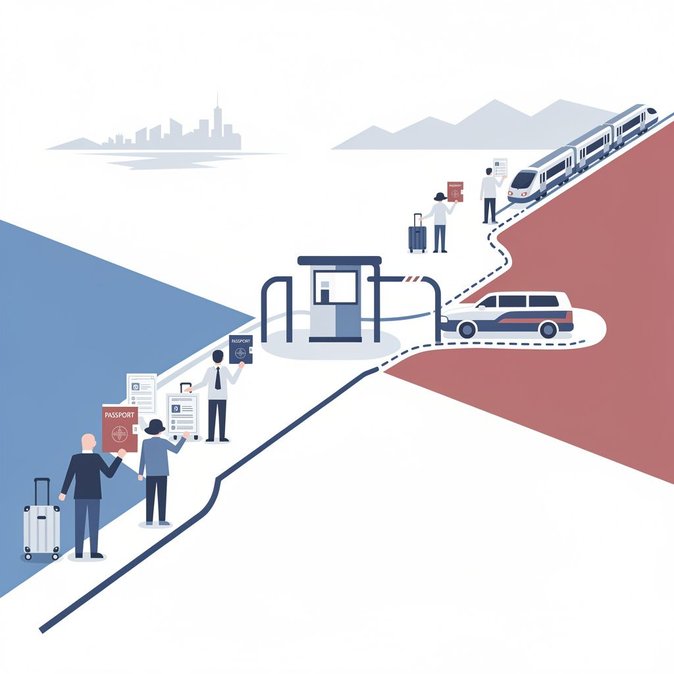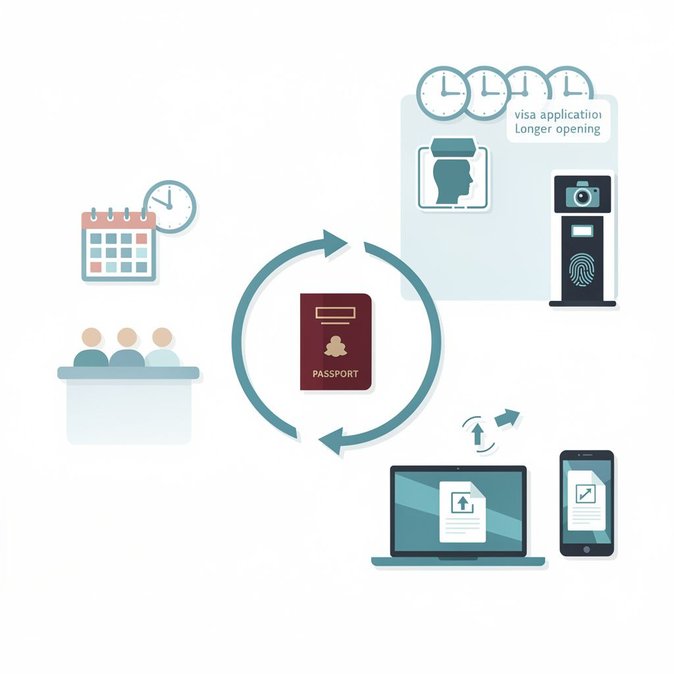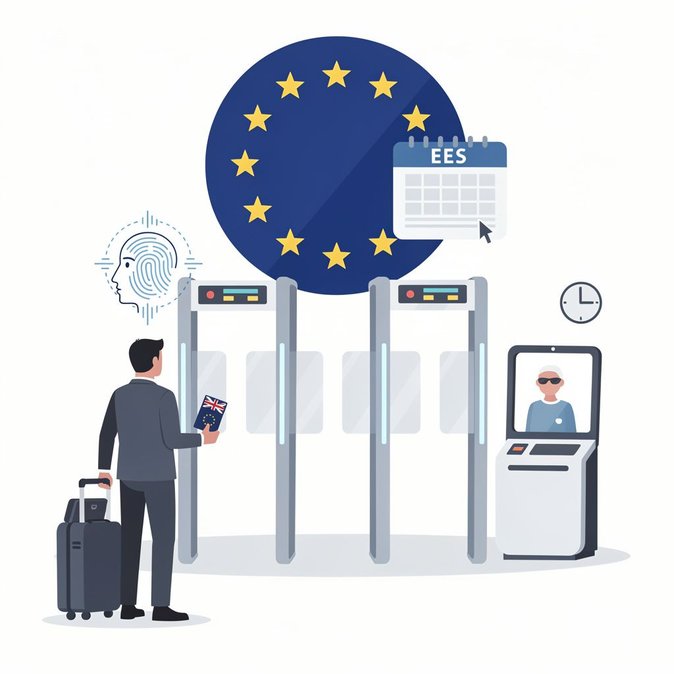
A research briefing published by the House of Commons Library on 17 July offers the most comprehensive analysis yet of how the EU’s Entry/Exit System (EES) and forthcoming European Travel Information and Authorisation System (ETIAS) will reshape travel for British citizens. The 40-page paper traces repeated launch delays—EES finally went live in October 2025 but remains only partially operational at many land and sea borders—and explains why bottlenecks are acute at UK juxtaposed controls in Dover, Folkestone and St Pancras. Of particular interest to employers, the note confirms that EES data will feed Schengen overstayer databases, enabling border guards to refuse entry to business travellers who mis-count days across multiple trips. It urges firms to audit staff travel patterns and adopt digital day-counter tools well before full enforcement. The Library also cautions that ETIAS, slated for “late 2026 but possibly slipping further”, will add another administrative layer: UK passport-holders will pay €7 for a three-year authorisation, similar to the UK’s own ETA. Travel-management companies should prepare bulk-application workflows for frequent flyers, the authors say. The briefing notes active UK-EU discussions on using the new Frontex “Travel to Europe” app to pre-register biometrics, but stresses that fingerprints will still need to be taken in person. It recommends a phased roll-out of car-passenger kiosks at Dover after trials showed registration times of up to seven minutes per vehicle. While non-binding, Commons Library briefings are widely read across Whitehall and industry; their publication often presages oral statements or select-committee hearings. Mobility professionals should expect further parliamentary scrutiny of EES performance when MPs return from summer recess.
Source: House of Commons Library