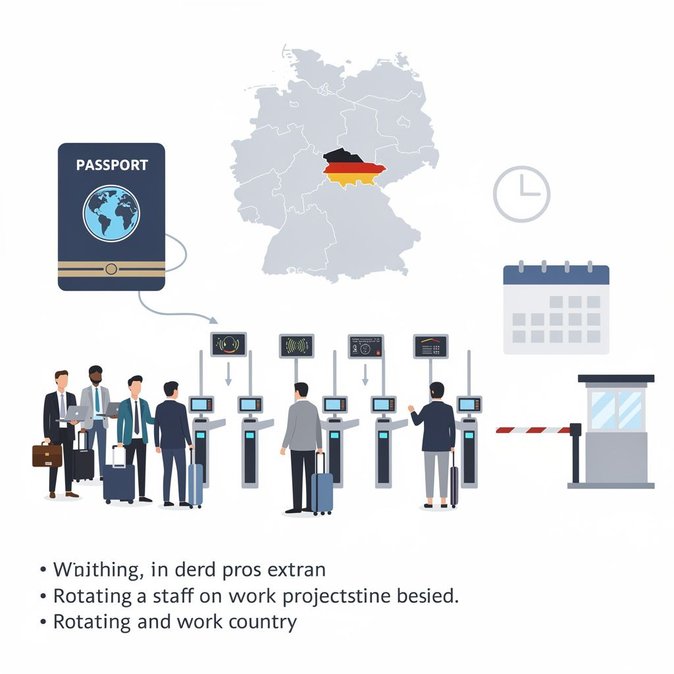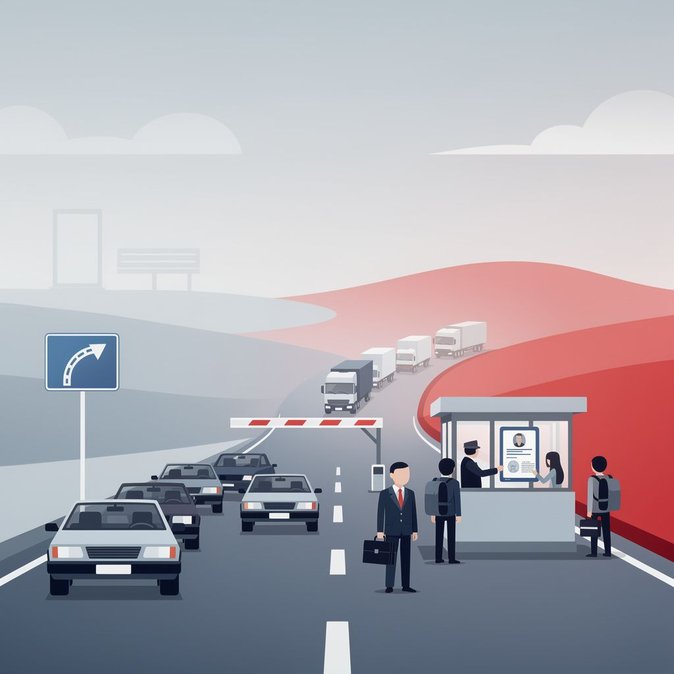
Also on 22 July 2026, Germany’s Foreign Office refreshed its Poland country page, confirming that Warsaw will maintain temporary border controls with Germany and Lithuania through the end of the summer holiday period. Random checks—re-introduced last July to curb irregular migration—now coincide with peak tourist traffic and thousands of cross-border workers returning from holiday breaks. Under the extension, travellers must carry passports or national ID cards even when using regional trains that normally operate as ‘internal Schengen’ services. Lorry drivers face longer wait times at the Świecko and Forst crossings, and logistics firms report average delays of 45 minutes. The advisory reminds German residents commuting daily to Polish plants to allow extra time and ensure residency cards are readily available. While Schengen rules allow temporary controls in exceptional situations, business lobbies on both sides of the Oder worry about reputational damage. The German-Polish Chamber of Commerce estimates that border-zone SMEs lose up to €2 million per week in just-in-time penalties when trucks miss factory slots. For HR and mobility functions the action points are clear: update assignment letters to include explicit workplace addresses, brief employees on acceptable ID, and monitor delay patterns before scheduling client visits. Companies should also review social-security certificates (A1 forms) because inspectors have stepped up roadside audits. The Foreign Office has not set a review date but promised to “update without delay” if Poland lifts the checks earlier. Until then, the safest assumption for corporate travel planners is that internal movement within Schengen can still face land-border friction.