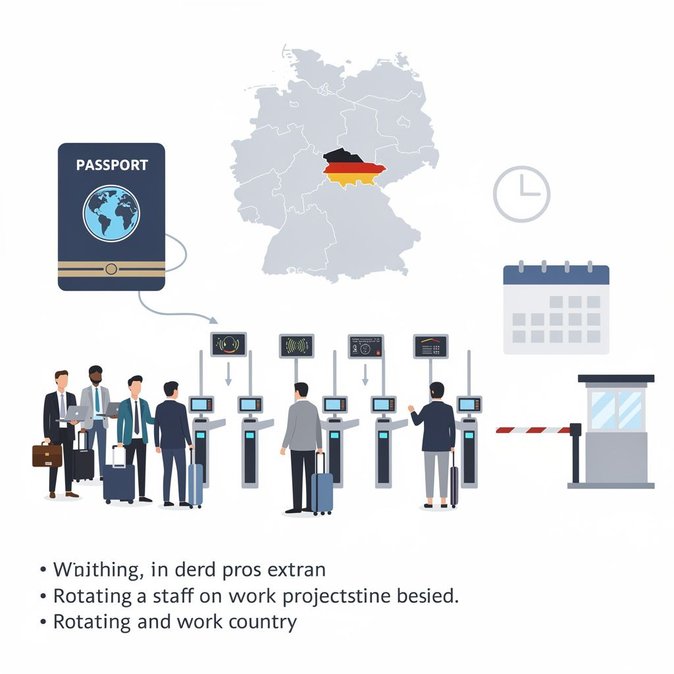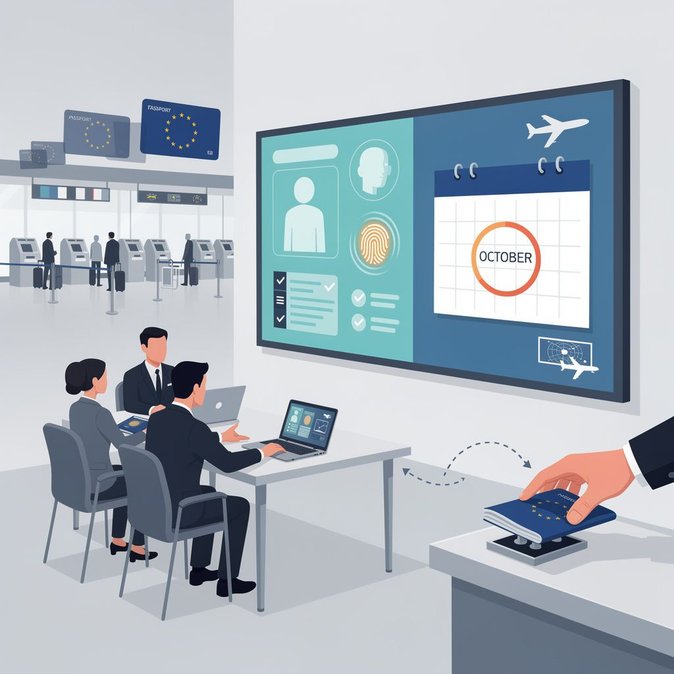
Schengen consular officials met in Brussels on 22 July 2026 for a pivotal session of the Council’s Working Party on Consular Affairs. With the Entry/Exit System (EES) slated to go live on 6 October and the €20 European Travel Information and Authorisation System (ETIAS) still promised for “late Q4,” delegates focused on operational readiness at border posts and airline check-in counters. Germany’s Federal Foreign Office, which chairs the automation sub-group, tabled a set of ‘stress-day scenarios’ based on Frankfurt and Munich passenger-flow modelling. Berlin warned that if carrier API messages or biometrics kiosks fail at even 5 % of peak throughput, queues could exceed four hours, triggering passenger rights compensation claims. To mitigate the risk, Germany requested an emergency derogation that would allow manual stamping for certain transit categories during an initial 30-day grace period—a proposal that received guarded support from Spain, France and the Netherlands but reservations from the Commission’s legal service. The meeting also produced a draft common communication plan. Member-state missions will begin emailing visa-exempt travellers from September, explaining that from 2027 they will need both registered fingerprints (via EES) and an approved ETIAS authorisation before boarding flights to Europe. Germany confirmed that its Ausländerbehörden will accept EES entry records as proof of physical presence when calculating EU Blue Card settlement periods, a change welcomed by in-house immigration teams. Airlines and travel-management companies should watch for the final Council conclusions expected in early August. If Germany’s derogation is adopted, corporate travellers entering via German hubs may experience smoother transitions in the system’s first month—although they will still need to pre-enrol in ETIAS once it launches. For mobility programmes the key takeaway is timing: start educating short-term travellers now, review API data quality with your TMC, and budget extra layover time for connecting flights in October. The Schengen digitisation train is rolling—this week’s working-party outcome shows Germany intends to keep it on the rails.