National Security Council orders tighter airport checks after suspected GRU drone plot in Leipzig
Bundestag to debate AI-driven “Digital Border Security” proposal next week
Germany extends internal Schengen border controls for another six months starting 16 September
Latest News
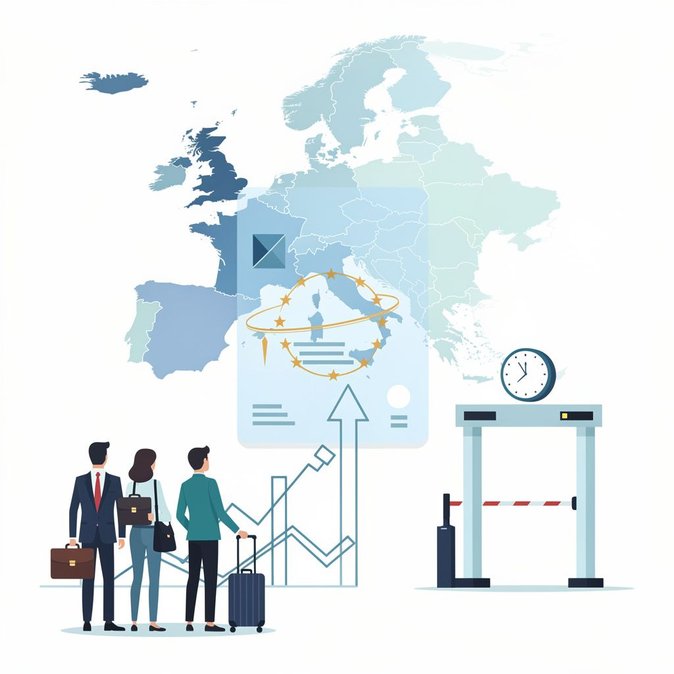
EU Visa Working Party Debates Schengen Fee Hike—German Firms Brace for Higher Mobility Costs
At its 14 September session, the EU’s Visa Working Party examined a paper to raise the standard Schengen visa fee from €80 to €90 and discussed stricter benchmarks for visa-waiver partners. German corporates that rely on visitor visas and reciprocal travel privileges should prepare for higher costs and possible policy changes in 2027.
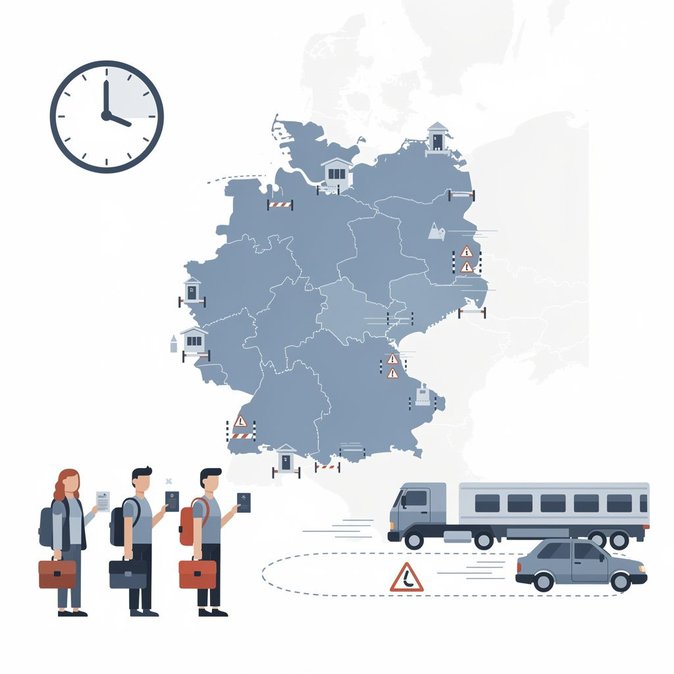
Germany to Activate Border Controls on All Land Frontiers from 16 September
An Interior Ministry decree will extend Germany’s temporary Schengen controls to its western and northern borders on 16 September, covering all land frontiers. Stationary checkpoints, train inspections and mobile patrols will affect commuters, business travellers and logistics flows. Companies should plan for delays and ensure employees carry complete travel documentation.
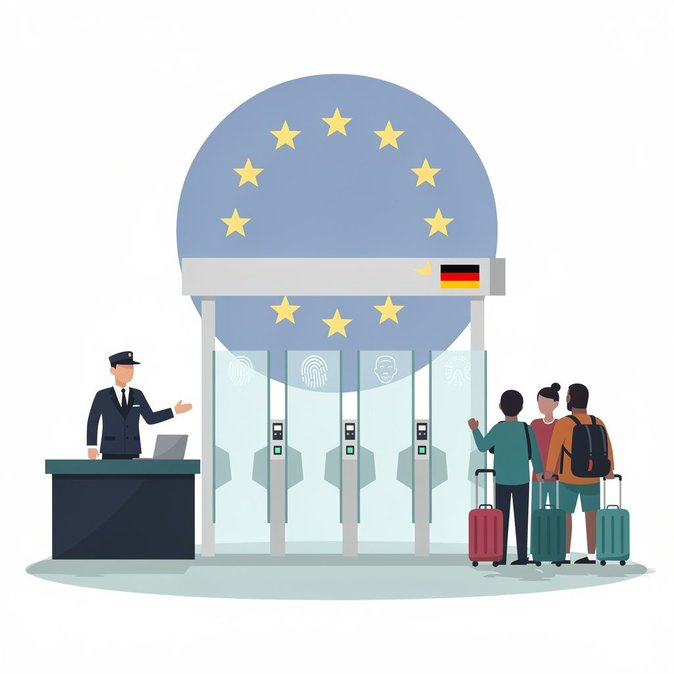
Germany Joins Eight EU States in Halting Roll-Out of Biometric Entry/Exit System After Airport Chaos
After weeks of long lines, Germany and eight other EU countries announced on 14 September 2026 that they will suspend the mandatory use of the new biometric Entry/Exit System (EES) at their airports and land borders until software and staffing problems are fixed. The move immediately eases congestion for non-EU travellers but leaves companies with uncertainty about when full biometric controls will resume.
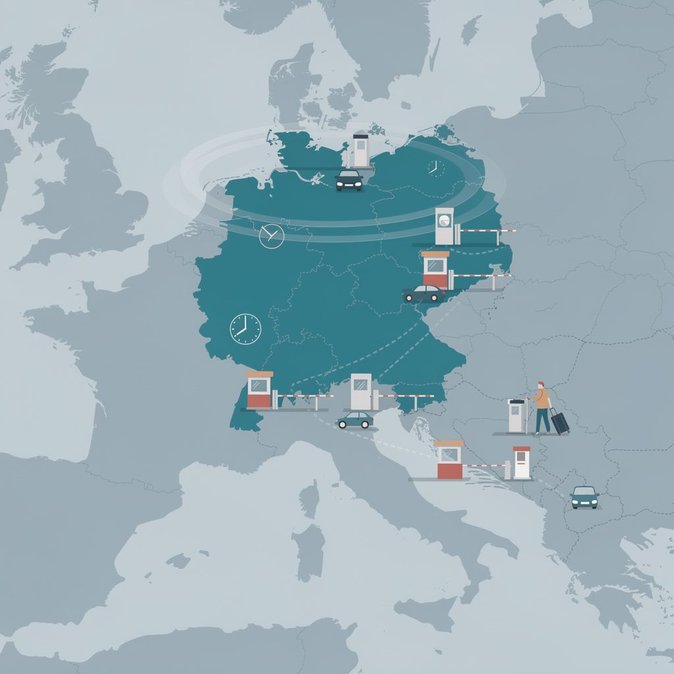
EU List Confirms Germany’s Border Checks Prolonged until March 2027
An official EU dashboard published 14 September lists Germany’s new notification prolonging its internal border controls for another six months (16 Sep 2026–15 Mar 2027). The move keeps passport checks on all German land borders and obliges companies to plan for ongoing travel delays and documentation requirements.
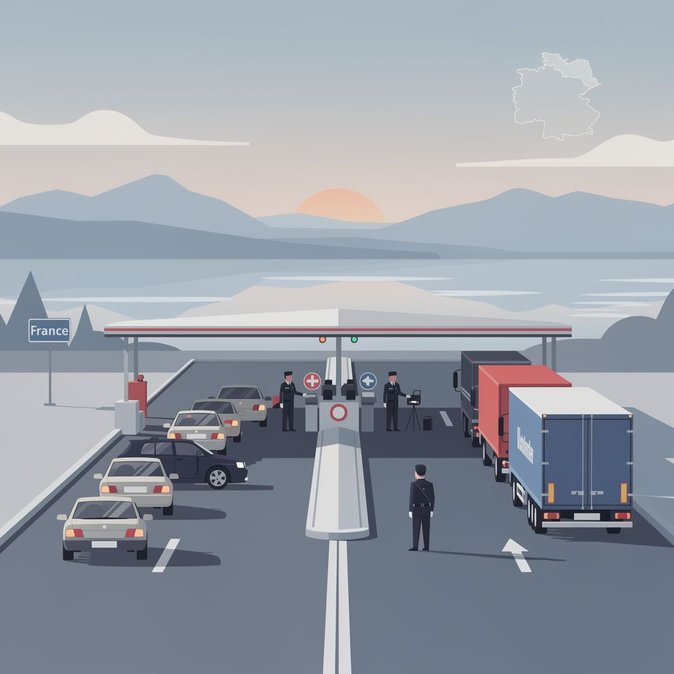
Bundestag Reveals Data on Baden-Württemberg Border Checks: 16,700 Illegal Entries Detected
Parliamentary data released 14 September show that internal border checks in Baden-Württemberg detected 16,713 unauthorised entries in 14 months and refused 13,447 people at the frontier. The figures hint that controls will continue, affecting cross-border commuters and corporate transport links with France and Switzerland.
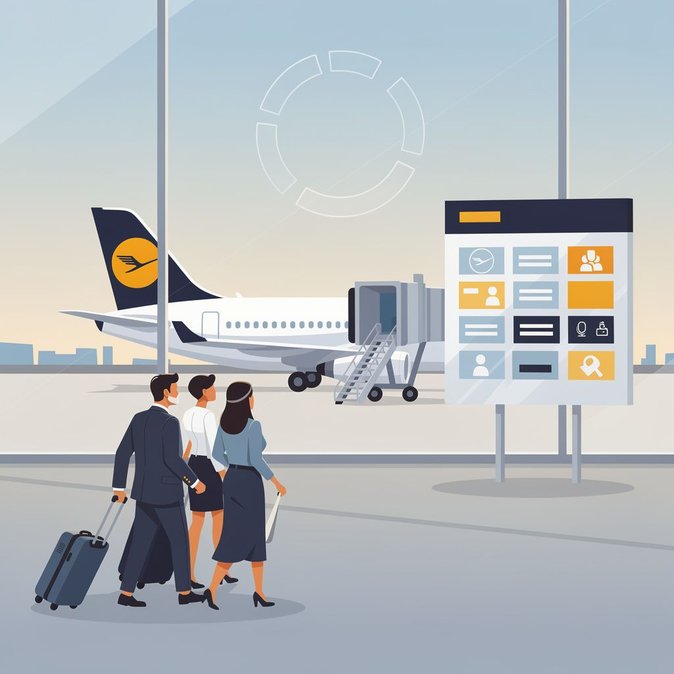
No Lufthansa Strike Today: 14 September Update Confirms Calm After Spring Walkouts
A detailed 14 September 2026 briefing confirms that no Lufthansa workforce is on strike and none has announced action, giving German corporate travellers a period of operational stability through at least mid-November. Companies should nevertheless monitor arbitration deadlines because new walk-outs could be called with only two days’ notice if talks collapse.
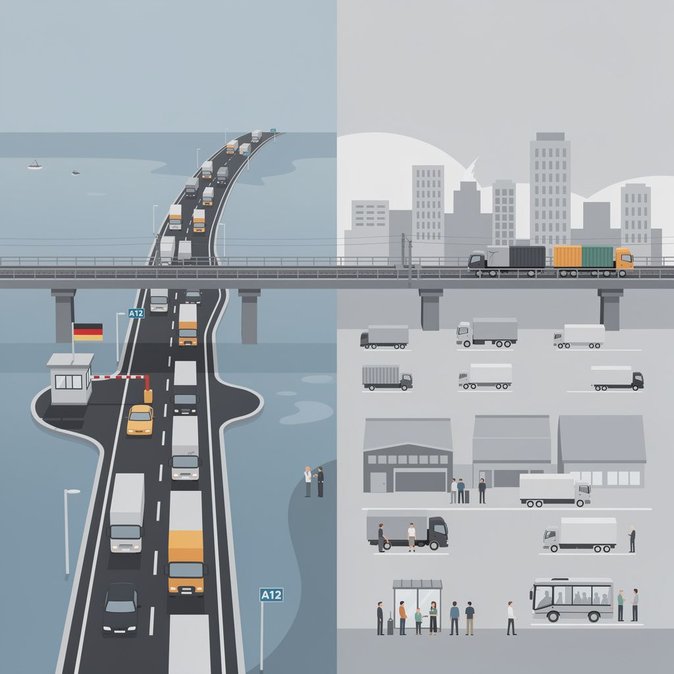
Opposition Queries Cost of Frankfurt (Oder) Border Controls
A Bundestag inquiry dated 14 September asks the government to disclose the full cost of border controls at Frankfurt (Oder) and their economic fallout. Rising delays on the A12 and rail bridge are already disrupting logistics and commuter traffic between Germany and Poland.

AfD Pushes ‘Digital Border Shield’—Bundestag to Debate AI-Powered Controls
On 14 September the AfD tabled a motion urging Germany to deploy AI-driven surveillance—drones, sensors and pattern recognition—along its borders. Parliament will debate the proposal next week, making AI border technology a live policy issue for mobility stakeholders.
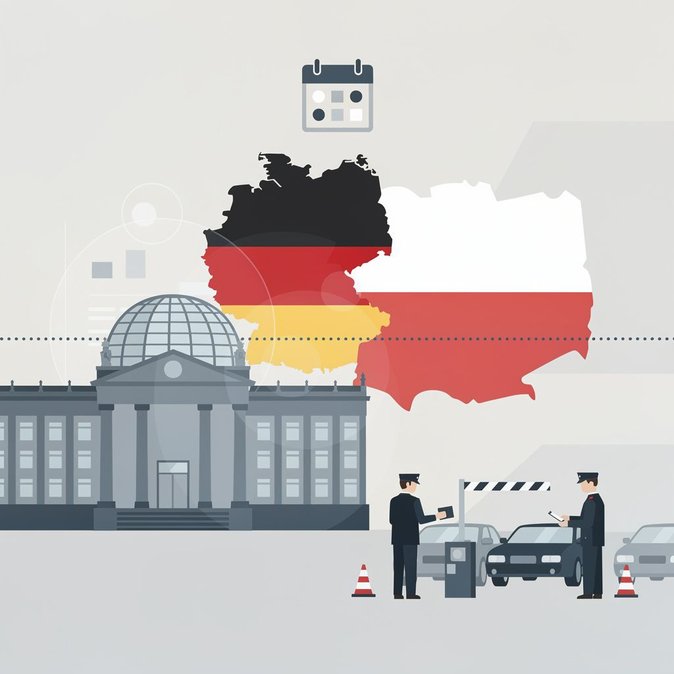
Bundestag Query Puts Price Tag on Germany’s Re-Introduced Border Checks with Poland
On 14 September 2026 the Left Party filed a Bundestag inquiry demanding a full accounting of the costs and staffing impact of Germany’s temporary border controls with Poland. The move increases pressure on the Interior Ministry just one day before the current authorisation is due to expire.
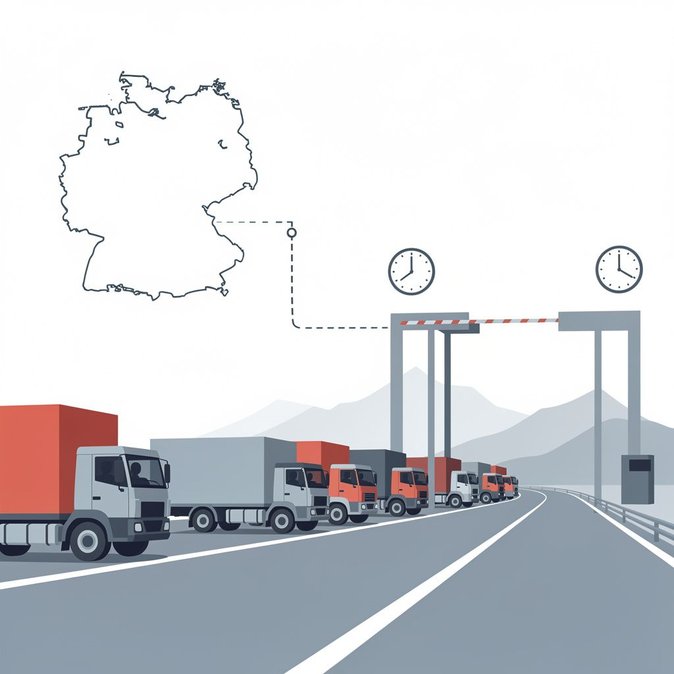
German Chamber Warns of Possible West-Balkan Border Blockades as 90/180-Day Rule Bites
An IHK Koblenz memo dated 14 September 2026 warns German companies that Serbian truckers plan to block key West-Balkan border crossings in protest at Schengen over-stay fines. Firms are urged to add buffer time and review alternative transport modes.
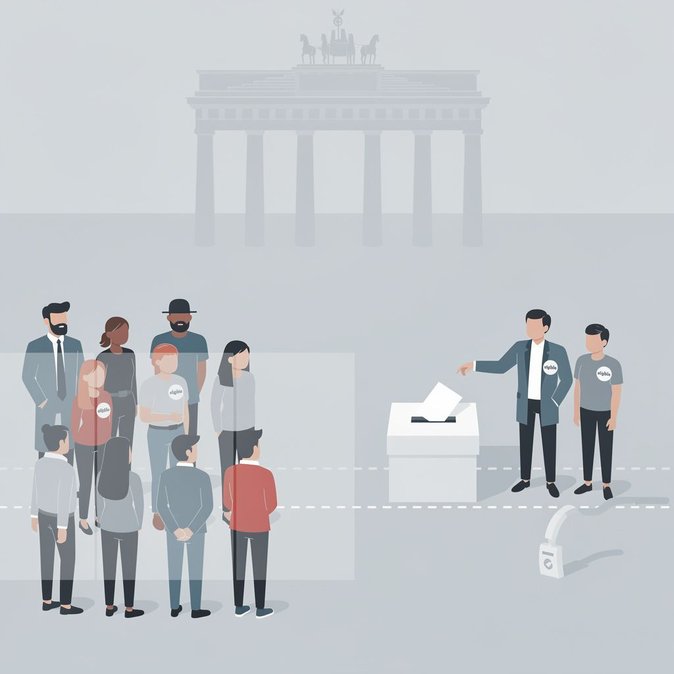
A Quarter of Berlin’s Adults Excluded from State Election Owing to Citizenship Rules
DW reports that 25 % of Berlin’s adult population cannot vote in the 20 September state election because they lack German citizenship, spotlighting how slow naturalisation deters skilled migrants and affects talent retention for employers.

German Hospitals Depend on Foreign Doctors as Staffing Crisis Deepens
A DW film released 14 September shows that rural German hospitals keep running thanks to doctors from abroad, underlining the healthcare sector’s dependence on skilled immigration and the need for faster credential recognition.

EU Visa Working Party Meets in Brussels; Fee Hike Paper on the Table—Implications for German Travellers
At the 14 September 2026 session of the EU Council’s Visa Working Party, member states examined a Commission paper suggesting that Schengen visa fees rise by up to 12.5 percent. Germany, the bloc’s largest visa issuer, signalled conditional support, meaning businesses should start modelling higher mobility costs from 2027 onward.
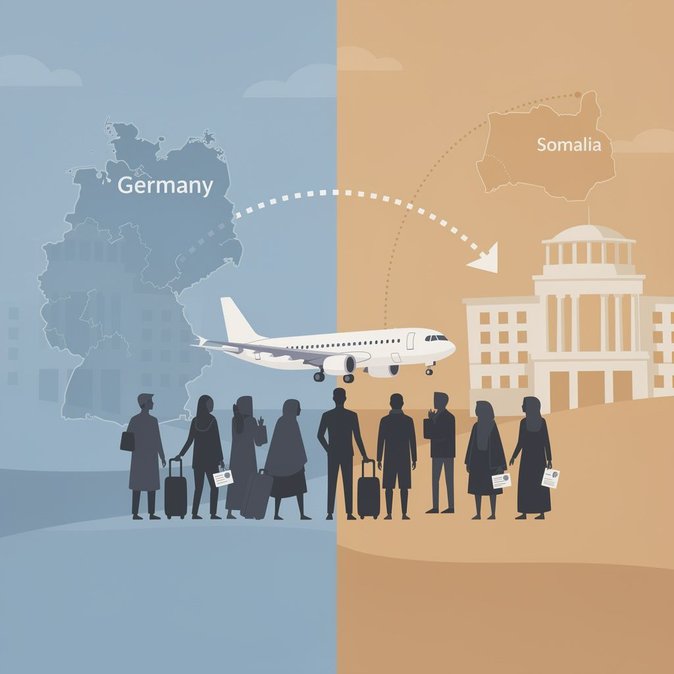
Somalia Plans Mass Return of Nationals Lacking Status in Germany
Horseed Media says Somalia and Germany are drafting plans to repatriate up to 1,900 Somalis without legal status in Germany—far more than previous annual deportation numbers. Employers with Somali staff should verify work authorisations and prepare for possible removals.
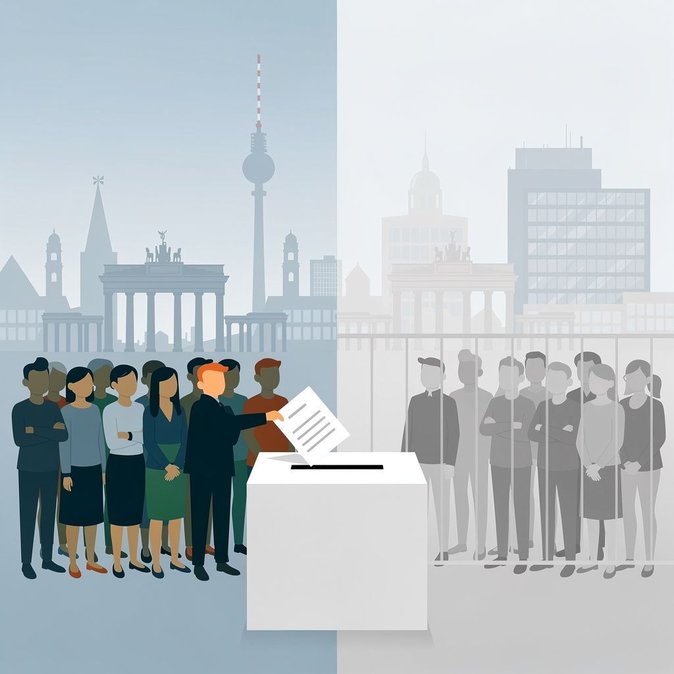
One in Four Berlin Adults Still Disenfranchised as Citizenship Path Narrows, Analysis Shows
A NewsBriefing.eu analysis dated 14 September 2026 calculates that 25 percent of Berlin’s adult residents—almost a million people—cannot vote in the upcoming state election. It blames slower citizenship processing after reforms were rolled back in 2025, underscoring long-term integration and retention challenges for employers.