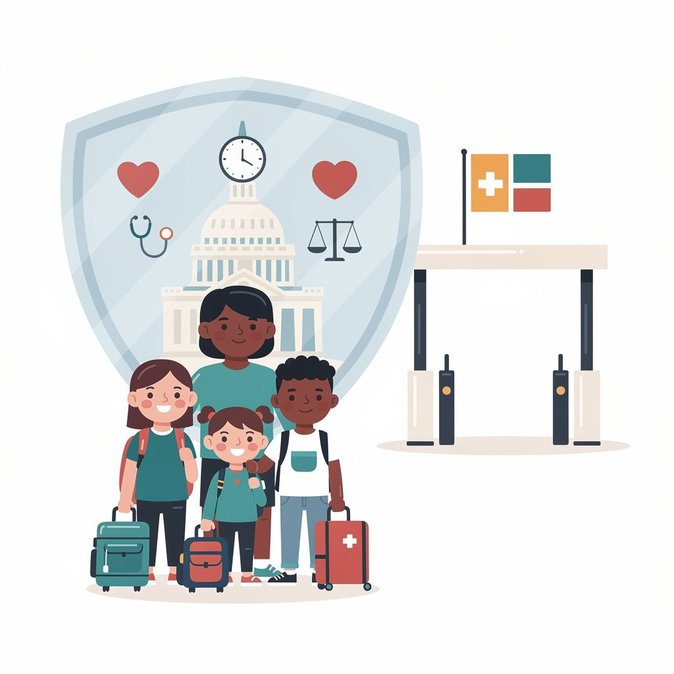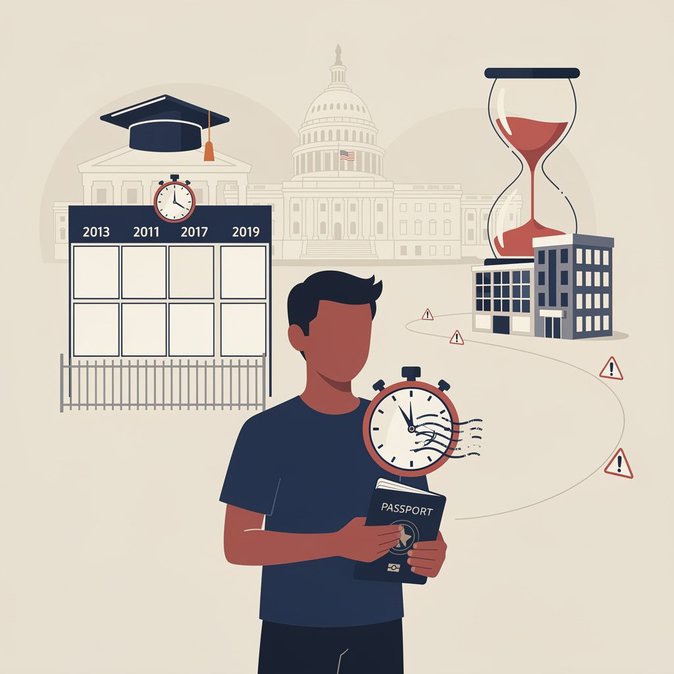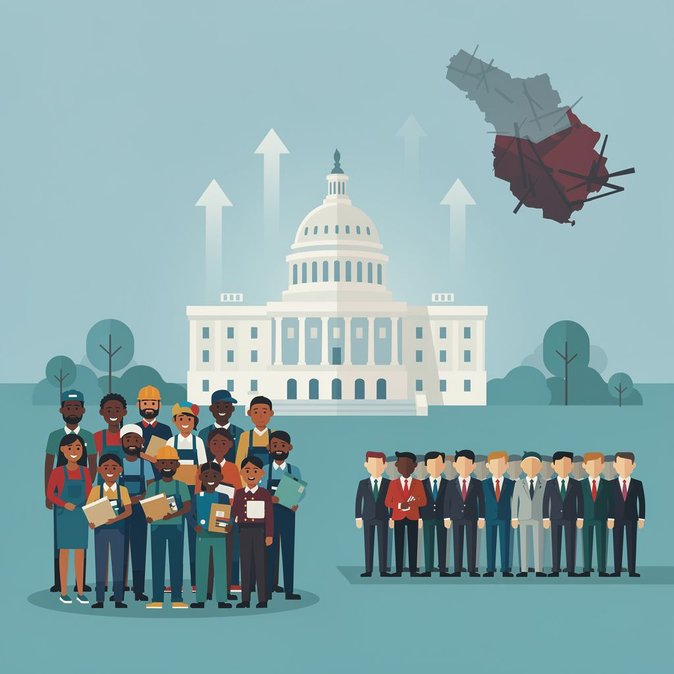
California Attorney General Rob Bonta, backed by counterparts from 19 other jurisdictions, sent a letter to Congress on 22 July 2026 urging passage of H.R. 1689, which would reinstate and extend Temporary Protected Status (TPS) for Haitians. The appeal follows last month’s Supreme Court decision that allowed the Trump Administration to end TPS for Haiti and Syria, potentially subjecting 60,000 Haitian nationals to removal as early as January 2027. The coalition argues that terminating TPS will fracture families, harm state economies dependent on Haitian labor, and exacerbate humanitarian crises in Haiti, which remains under a State Department Level 4 "Do Not Travel" advisory amid gang violence and political instability. TPS holders contribute an estimated US $5.9 billion annually to the U.S. economy and pay roughly US $1.6 billion in taxes, according to the letter. For employers ranging from Florida agriculture to New York home-health agencies, uncertainty over Haitian workers’ status complicates staffing forecasts and may trigger EAD reverification headaches similar to those seen in the 2020s for Honduran and Salvadoran TPS groups. The attorneys general also call for statutory pathways to permanent residency and judicial oversight of future TPS decisions—measures long sought by business coalitions seeking workforce stability. While Congress has stalled on broad immigration reform, the targeted nature of the proposal and bipartisan recognition of Haiti’s security collapse could give H.R. 1689 a rare window for action in the fall legislative calendar. Employers with Haitian talent should monitor the bill’s progress and be prepared to marshal economic-impact data in support of extension. If TPS lapses, companies may need to pivot to H-2A/H-2B seasonal visas or accelerate PERM filings—both costly and time-consuming alternatives. The letter underscores how sub-federal actors are shaping national mobility debates, adding momentum for piecemeal protections even in a polarized Congress.
Source: California Department of Justice