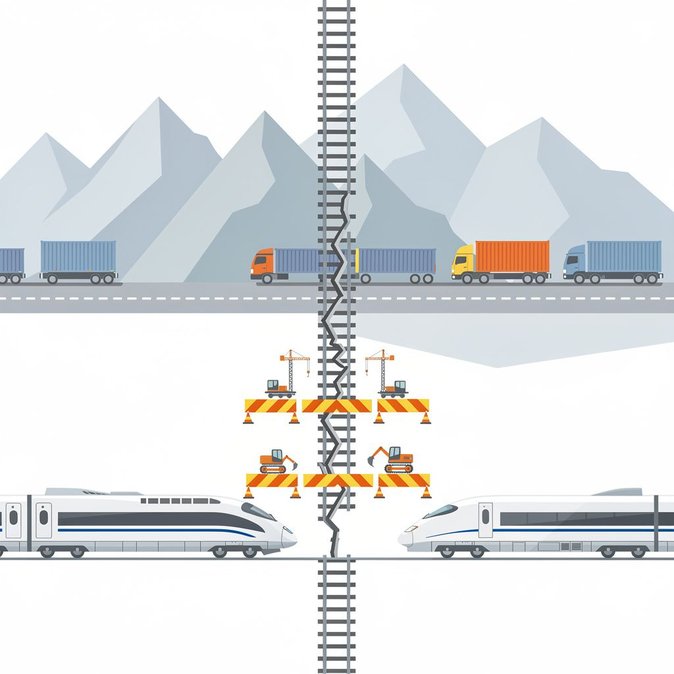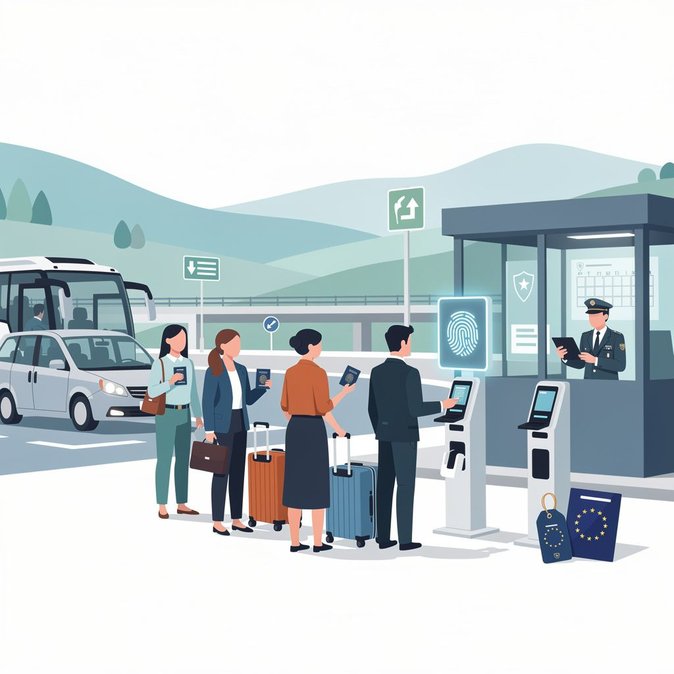
The UK Foreign, Commonwealth & Development Office (FCDO) updated its travel advice for Italy on 22 July 2026, flagging two issues that are increasingly relevant for business travellers. First, the note reminds visitors that Italy continues to apply temporary border controls on the land frontier with Slovenia until at least 18 December 2026, meaning passports may be checked on trains and roads that are normally intra-Schengen. Second, it highlights that the EU’s new Entry/Exit System (EES) is now fully operational at Italian airports and seaports, requiring all non-EU nationals to undergo biometric scanning and automated calculation of their 90/180-day allowance. While the EES roll-out has been smooth at Rome Fiumicino and Milan Malpensa, smaller regional airports report occasional bottlenecks when cruise-ship charter flights arrive. Frequent business travellers on multiple-entry Schengen visas should ensure that exit stamps are accurately recorded to avoid overstays under the new automated tally. The FCDO also warns of fines for travellers who fail to obtain an exit record when leaving Italy via Slovenia during periods when border posts are staffed. Australia’s Smartraveller service issued similar guidance, underscoring the global relevance of the changes. Corporate mobility teams should update pre-trip briefings to reflect longer processing times at land crossings and the necessity of valid machine-readable passports for EES kiosks. Companies planning to post non-EU staff to Italy must also track cumulative Schengen days more closely, as the EES removes previous tolerances for manual stamp errors. The advisory coincides with Italy’s busiest holiday week of the year, magnifying the potential for queues. The Italian Interior Ministry has not indicated when border controls with Slovenia will be lifted, citing ongoing security concerns linked to the Western Balkan route. Travellers entering by air who hold UK Global Entry or US Global Entry cannot bypass EES; all third-country nationals must enrol, though children under 12 are exempt from fingerprints. ETIAS, the separate electronic travel authorisation and €7 fee, is still scheduled for late 2026 and will sit alongside EES.