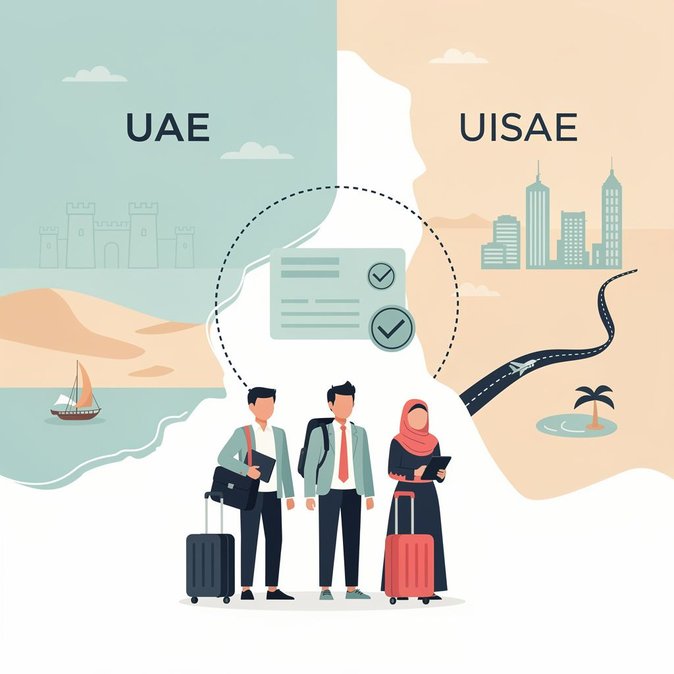
UAE expatriates planning a quick break or business trip to neighbouring Oman woke up to good news on 31 July. An updated advisory from Muscat, highlighted by Gulf News, confirms that **most professionals who hold a valid UAE residence visa can now obtain either a 28-day visa-on-arrival at the border or apply for the same permit online as a “GCC Resident eVisa”.** The Royal Oman Police (ROP) has quietly expanded its approved-occupation list to well over 100 job titles – from doctors, engineers and accountants to designers, jewelers and even social-media “influencers”. Travellers pay a flat fee of OMR 5 (about AED 48) and simply present their Emirates ID and a passport valid for at least six months. Those who prefer to organise paperwork in advance can upload the same documents to the ROP eVisa portal and receive approval within four to five working days. For the UAE’s large expatriate workforce, the change sharply reduces red tape. Previously, many white-collar professionals whose titles did not exactly match Oman’s narrow occupational list needed a locally sponsored visit visa or an agent-arranged tourist visa—often costing several times more. The streamlined rules are expected to boost weekend road-trips to Salalah’s Khareef season and shore-up cross-border business links between Sohar and Dubai’s logistics corridor. Corporate mobility managers should check that employees’ **official occupation on the back of the Emirates ID** matches the ROP list before green-lighting travel. Blue-collar categories remain ineligible, and overstaying the 28-day limit still incurs substantial fines. HR teams are also reminded that UAE exit fees of Dh 35 per passenger apply at land borders and should be budgeted in travel requests. Analysts say the decision underscores a wider GCC trend: leveraging flexible visa schemes to capture regional tourism and talent while oil revenues face cyclical pressure. With Saudi Arabia and Qatar already offering similar resident-visa facilitation, businesses can expect more “GCC-wide” mobility products to emerge over the next year.
Source: Gulf News