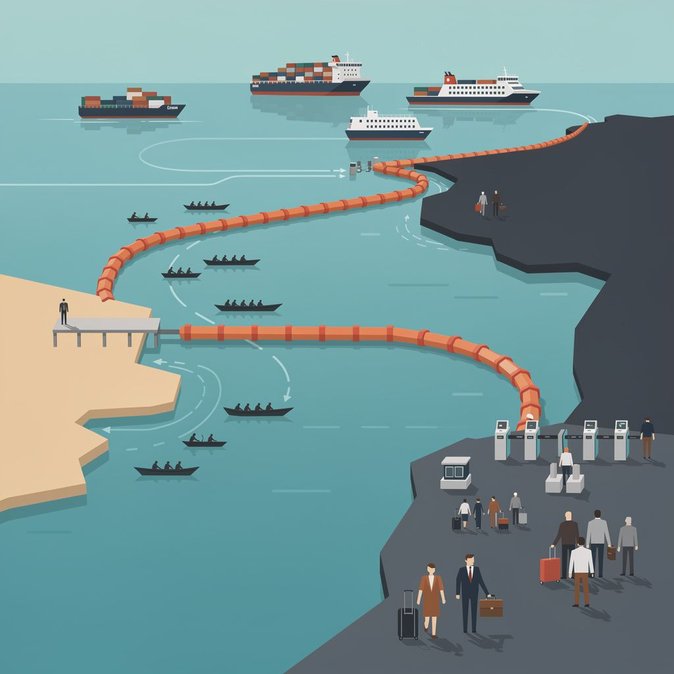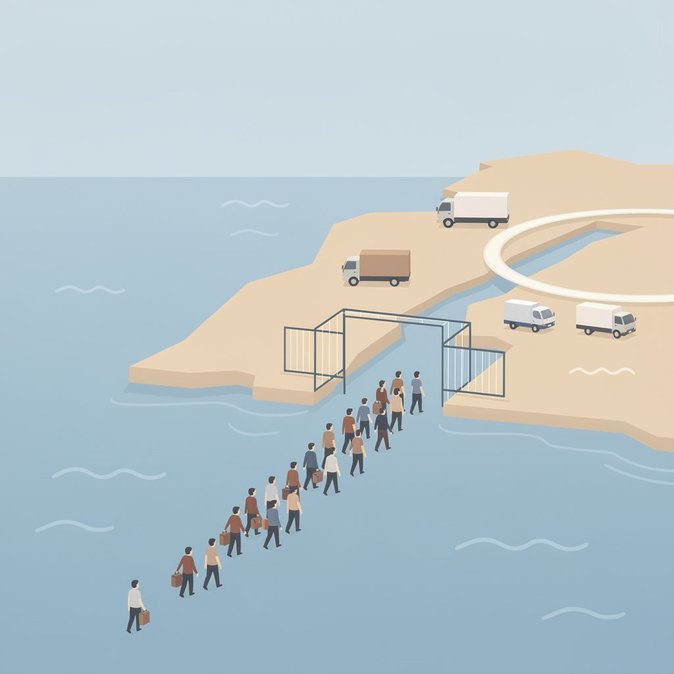
Less than 24 hours after breaching Ceuta’s frontier, the majority of the estimated 60 000 people who entered the enclave have walked back across the same breakwaters to Morocco, Spanish officials confirmed Friday evening. Ceuta’s population—normally 85 000—had effectively doubled overnight, overwhelming food supplies and the Temporary Centre for Immigrants (CETI). Spanish military engineers erected portable lighting and hydration stations along the seafront, while Red Cross teams negotiated exits with Moroccan police on the opposite shore. According to Interior Ministry figures, only about 5 800 individuals requested asylum or medical care, far fewer than early projections. Observers attribute the mass self-repatriation to harsh living conditions in makeshift camps, plus rumours that Spain would deport entrants swiftly. The rapid reversal eases immediate pressure on Ceuta’s infrastructure but leaves unresolved questions about Spain’s external-border resilience. EU Home-Affairs Commissioner Ylva Johansson praised the “orderly de-escalation” but urged Madrid and Rabat to create safe legal migration channels to prevent future flashpoints. Employers with staff posted in Ceuta should reassess security protocols: while the city is returning to normal, ad-hoc curfews for certain neighbourhoods remain. Ferry operators have reinstated limited services, though bookings are capped at 70 % to leave deck space for humanitarian cargo. Travel insurers may lift “extreme-risk” surcharges next week if the situation holds.
Source: Associated Press