Ceuta faces unprecedented migrant surge as 50,000 people cross the border in 24 hours
Spanish government deploys 3,000 troops to reinforce Ceuta border and critical infrastructure
Italy reinstates border checks on flights and ferries from Spain, citing Ceuta crisis
Latest News

What the Schengen Borders Code allows – and does not allow – when migration spikes
Legal analysts emphasise that Schengen membership itself cannot be revoked, but member states – like Italy today – can temporarily restore border checks. Businesses should expect a patchwork of controls lasting from one to six months and ensure non-EU staff carry residence documents and valid multiple-entry visas.
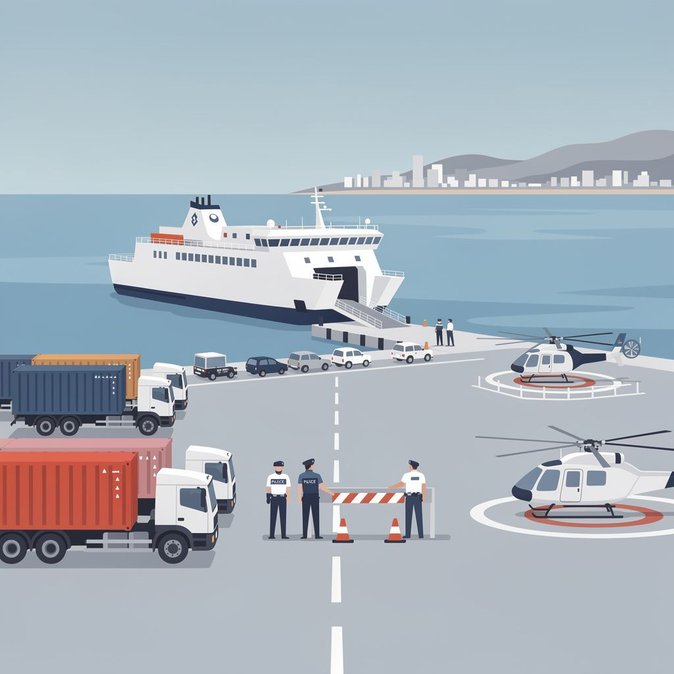
Logistics and corporate travel scramble as Ceuta crisis disrupts Strait of Gibraltar trade lanes
Enhanced police checks and troop movements in Ceuta have delayed ferries, grounded early-morning helicopter flights and stranded freight, forcing companies to reroute cargo and travellers. Supply-chain managers should hedge with alternative sea lanes and expect higher costs if the backlog coincides with the peak summer OPE traffic.

Thousands of migrants breach Ceuta frontier in largest border surge since 2021
Overnight on 30 July, several thousand people entered the Spanish enclave of Ceuta from Morocco, forcing police to retreat and prompting reinforcement by Spain’s Interior Ministry. The breach highlights pressure on the newly operational EU Entry/Exit biometric system and is likely to cause short-term disruption to ferry links and road traffic in the area, affecting business and tourist travel alike.
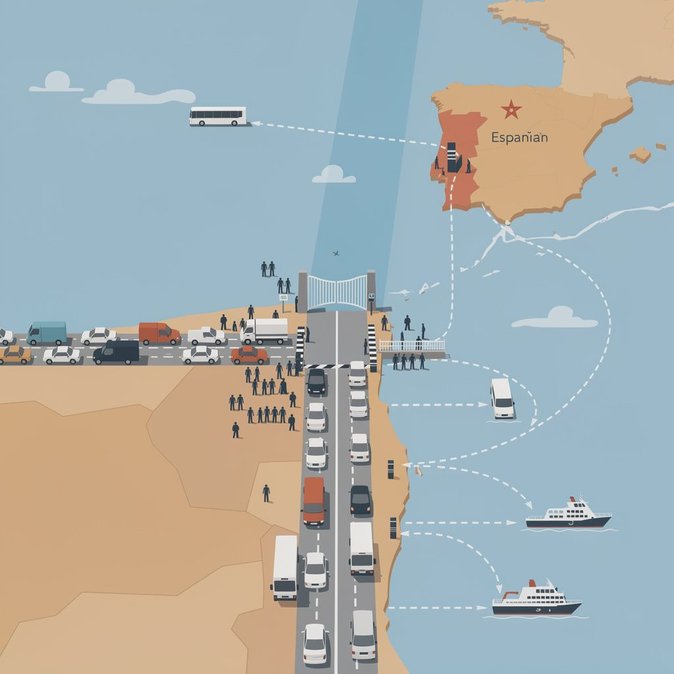
Thousands of migrants breach Ceuta border, forcing ad-hoc closures and disrupting cross-Strait summer traffic
A sudden mass crossing of several thousand migrants from Morocco into the Spanish enclave of Ceuta on 30 July forced the temporary closure of the Tarajal land border and suspension of ferry services at the height of the summer transit season. The disruption affects business travellers, freight operators and expatriate road traffic using the Operación Paso del Estrecho corridor and has prompted Madrid to rush additional police while negotiating rapid returns with Rabat. Companies are being advised to reroute and add time buffers until normal flows resume.
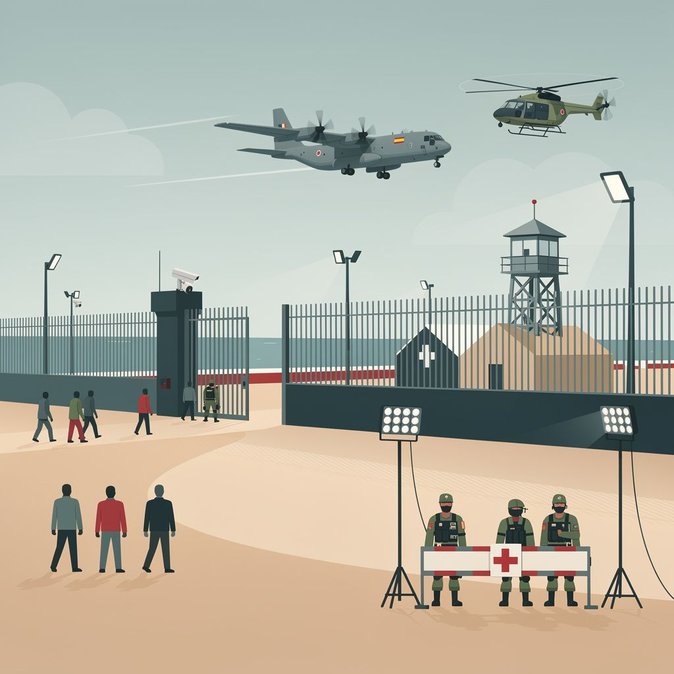
Madrid sends army to reinforce Ceuta border but stops short of declaring emergency
Spain has activated its ‘Support Plan Ceuta 2026’, flying army units into the enclave to buttress overstretched border police after thousands of migrants crossed from Morocco. Madrid ruled out declaring a state of emergency but warned travellers to expect intensified ID checks and possible curfews as troops deploy surveillance and medical assets along the fence.
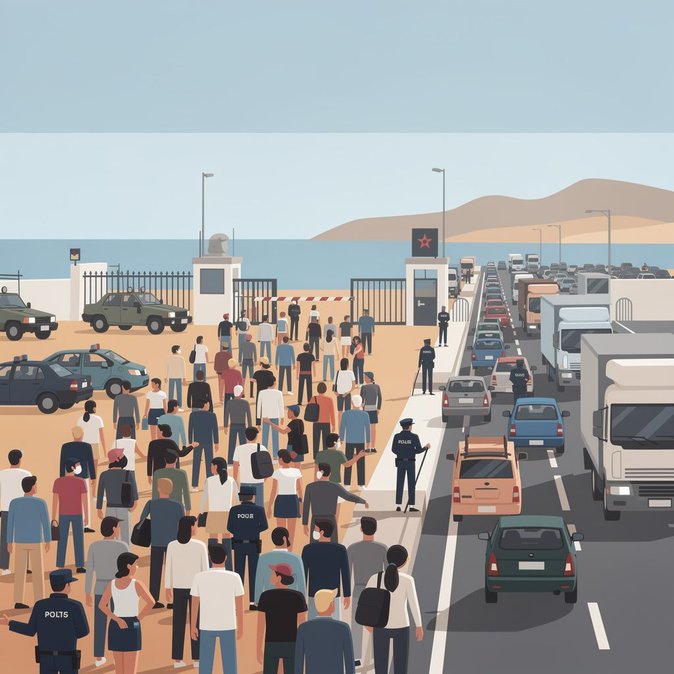
Thousands breach Ceuta border after Spanish Supreme Court ruling curbs ‘pushbacks’
A crowd estimated in the thousands crossed from Morocco into the Spanish enclave of Ceuta on 30 July, overwhelming border guards. The surge follows a Supreme Court ruling that bans summary returns of sea arrivals, a decision local officials say has triggered a ‘pull-factor’. Heightened military and police deployments are likely to slow commercial and commuter traffic, posing immediate headaches for companies that rely on the frontier for logistics or employee mobility.

Madrid deploys Army units to reinforce overwhelmed Ceuta frontier; emergency status debated but rejected
Spain has sent Army units already based in Ceuta to support overstretched border guards after mass migrant entries on 30 July, but the central government has rejected local calls to declare a national emergency. Enhanced military surveillance, stricter ID controls and joint Spain-Morocco return operations are under way, affecting daily cross-border workers and goods flows yet allowing businesses in Ceuta’s free-trade zone to keep operating. Mobility managers should prepare for tighter compliance checks across southern ports as the political fallout unfolds.

Renfe confirms 31 July rail strike; minimum service leaves 35 % of medium-distance trains cancelled
Renfe has issued final strike timetables for 31 July after the SF-Intersindical union refused to withdraw its call for a 24-hour walk-out. Minimum-service rules will keep most high-speed trains running but will cancel roughly a third of regional services, potentially stranding travellers at the start of Spain’s busiest holiday weekend. Businesses should adjust travel plans and warn employees of limited eligibility for delay compensation.

Renfe strike set for 31 July; 92 long-distance trains may be cancelled despite minimum-service order
A 24-hour strike by Renfe signal-staff union SCF on 31 July threatens to cancel at least 92 long-distance trains, even after the Transport Ministry imposed minimum-service levels. Travellers at the start of Spain’s busy holiday weekend may face route changes or refunds; businesses should make contingency plans for employee mobility.