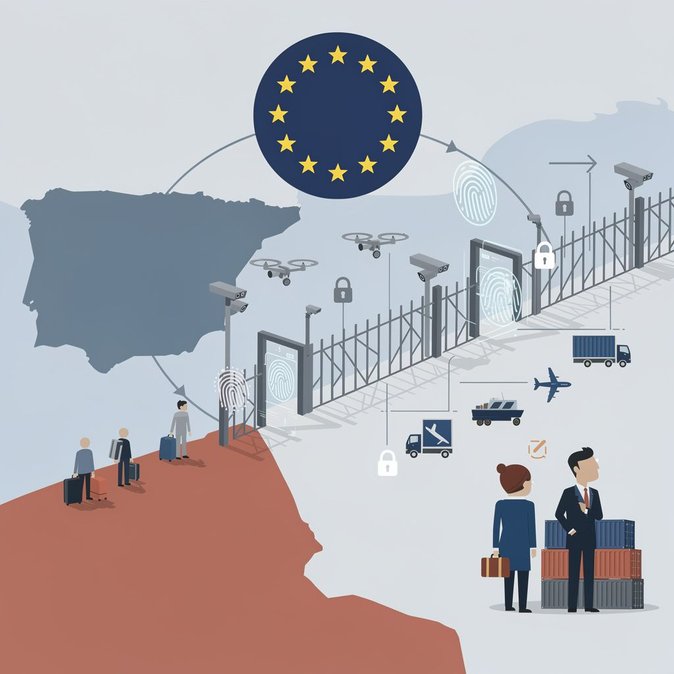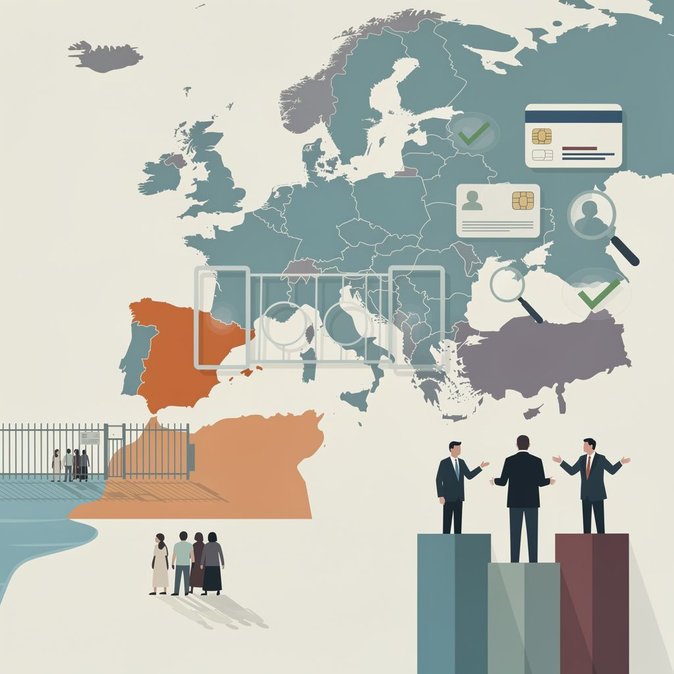
In an unusually blunt letter to EU leaders dated 1 August, Spanish Prime Minister Pedro Sánchez accused several European governments of “prejudice, fake news and political opportunism” in their reaction to the Ceuta influx. Italy temporarily suspended cooperation with Spain under Schengen information-sharing protocols, while Denmark and Finland floated the idea of excluding Spain from the passport-free zone—a move Madrid calls illegal. Sánchez argues that Spain’s recent mass regularisation of long-term undocumented workers—some 210 000 people—has no bearing on intra-EU mobility because the residence permits are valid only for Spanish territory. He contends that critics are using the crisis to push for tougher EU migration reforms, including external processing centres in third countries, which Spain opposes. Responding to the letter, Ireland—holder of the rotating EU Council presidency—has convened an extraordinary Justice and Home Affairs videoconference for 4 August. Interior ministers will discuss whether additional Frontex assets or EU funds should be deployed to Ceuta and the neighbouring Moroccan region. For businesses, the diplomatic row raises the risk of ad-hoc internal border checks. During the 2015 Schengen suspension cascade, average door-to-door trucking times for Spanish exporters to Germany increased by 14 %. Mobility managers should brief staff on potential ID checks on flights within Europe and build extra transit time into travel itineraries. Immigration counsel also expect a short-term slowdown in processing Blue-Card and ICT permits as Spanish consulates divert staff to crisis management. Employers with time-sensitive postings are advised to file applications as early as possible and consider remote-first arrangements until processing normalises.
Source: El País