Planned Citizenship Overhaul Alarms Critical-Skills Expats Approaching Five-Year Mark
Germany to Prolong Internal Schengen Border Checks Until 15 March 2027
IRCC Issues 2,000 ITAs in Canadian Experience Class Draw, CRS Drops to 519
Latest News

China’s New Exit-Entry Rules Come Into Force, Allowing Border Guards to Bar Departures on National-Security Grounds
China’s consolidated Exit-Entry Administration Regulation took effect on 15 September 2026. It empowers immigration authorities to bar Chinese citizens from leaving the country for up to three years if they are judged to have threatened national or industrial security overseas, and it allows five-year entry bans for foreigners who provide false information. Multinationals will need tighter compliance around technology-export controls and longer lead times for visas. The move signals Beijing’s determination to police cross-border flows of sensitive know-how.
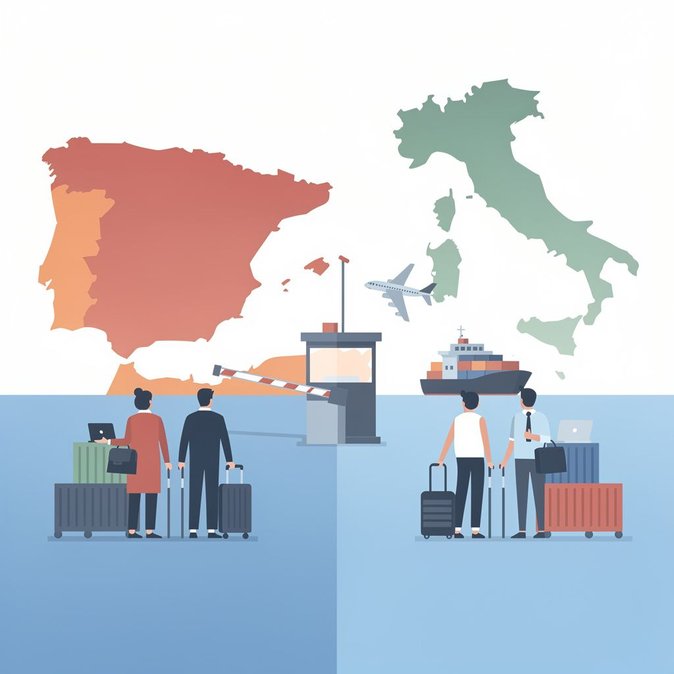
Italy and Spain extend mutual border checks for further 15 days amid Ceuta migration fallout
Italy and Spain have each prolonged the temporary suspension of Schengen free-movement for travellers on their bilateral routes until at least 8 October. The extension, triggered by July’s mass crossing into Ceuta, means continued passport and security checks at airports and seaports, lengthening journey times for business travellers and air-cargo flows. The tit-for-tat measures highlight growing intra-EU tension over migration and could test the legal limits of the Schengen Borders Code.

Poland tables sweeping amendment to Foreigners Act, aligning with EU Blue Card directive
The Polish government released a draft bill amending the Foreigners Act to implement the updated EU Blue Card directive and mandate online filing through the MOS portal. The proposal grants Blue Card holders greater labour-market mobility, faster family-reunification and the right to run a business, while shortening security checks and digitising all residence applications. Multinationals stand to benefit from simpler, faster hiring of highly-skilled talent but will need to shift to fully electronic workflows.

Italy Extends Schengen Suspension With Spain Until 1 October
Rome has renewed internal border checks on arrivals from Spain until 1 October 2026, citing security risks linked to July’s Ceuta migrant surge. The measure extends spot passport controls at Italian airports and seaports, affecting business and leisure travellers on one of Europe’s busiest intra-Schengen corridors. Employers should brief staff to travel with passports and expect minor delays, while logistics operators face continued clearance slow-downs.
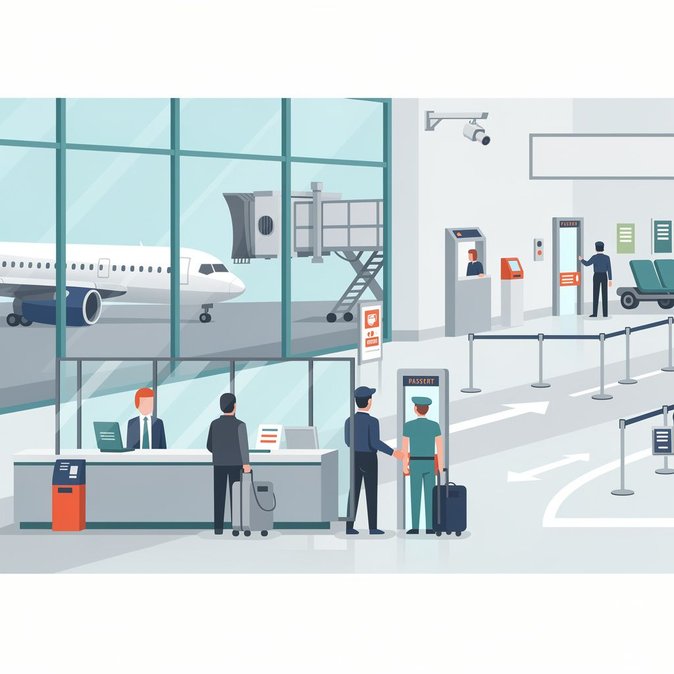
India orders security overhaul after Italians bypass immigration and fly out of Delhi
After three Italians left India without completing exit-immigration, the MHA has called an urgent security review and the civil-aviation ministry has served Air India a show-cause notice. Expect stricter transfer procedures and possible delays on domestic–international connections while new controls are implemented.

Gulf tensions trigger fresh wave of UAE flight delays and cancellations
Dozens of services at Dubai, Abu Dhabi and Sharjah were cancelled or delayed on September 15 as airlines reacted to volatile air-security assessments linked to the US-Iran conflict. Travellers are being told to check flight status up to the last minute, while corporates should budget for higher costs and build contingency time into itineraries.

24 Consecutive Night-Shifts of Air-Traffic Controller Strikes Announced at Charleroi Airport
Air-traffic controllers at skeyes will stage a night-time strike at Brussels South Charleroi Airport every night from 16 September to 10 October, demanding higher night-shift bonuses before the tower’s operations move to a remote-digital centre. The walk-out threatens late-night arrivals and early-morning departures, forcing airlines and business travellers to reroute via Brussels or French airports. Companies should prepare contingency travel and cargo plans as the dispute could shape Belgium’s wider remote-tower labour relations.
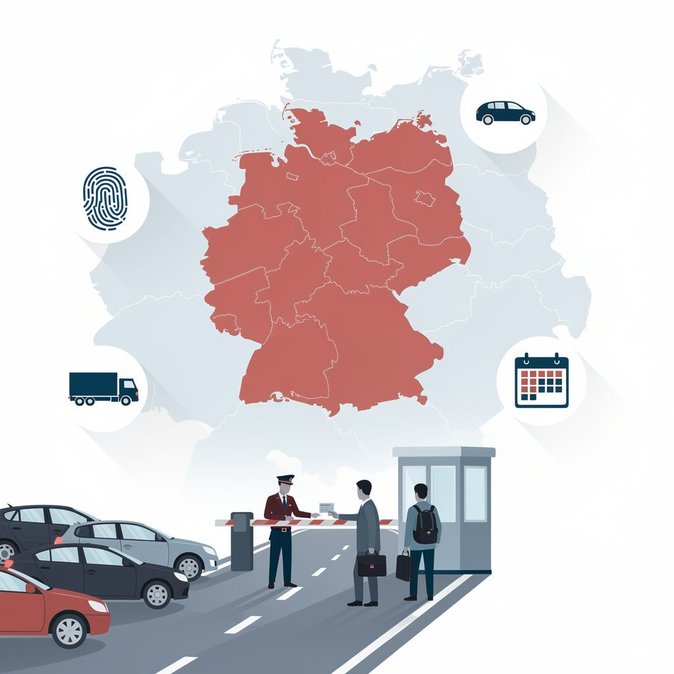
Germany Re-introduces Temporary Border Controls at All Land Frontiers from 16 September
Germany has formally notified the EU that it will reinstate controls at all of its land borders from 16 September 2026 until 15 March 2027, citing record irregular migration and people-smuggling. Corporate travellers and cross-border commuters should expect ID checks and potential delays, while employers are advised to update travel policies and carry appropriate documentation. The measure, unprecedented in geographic scope for Germany, will be reviewed every two months.

EU awards €1.48 m contract to IOM to relocate 1,283 asylum seekers from Cyprus
An EU tender notice dated 15 September confirms a €1.48 million contract with IOM to relocate 1,283 asylum seekers from Cyprus to other EU countries under the bloc’s solidarity mechanism. The move should relieve pressure on Cyprus’ asylum infrastructure and may speed up work-permit processing for businesses.

China implements sweeping exit-ban powers linked to tech security
China’s new Exit–Entry Regulation, in force from 15 September, empowers authorities to bar citizens from leaving the country for up to three years if their activities are judged to threaten national or technological security. The rules link export-control enforcement directly to border management, creating fresh compliance risks for multinationals and mobile employees.
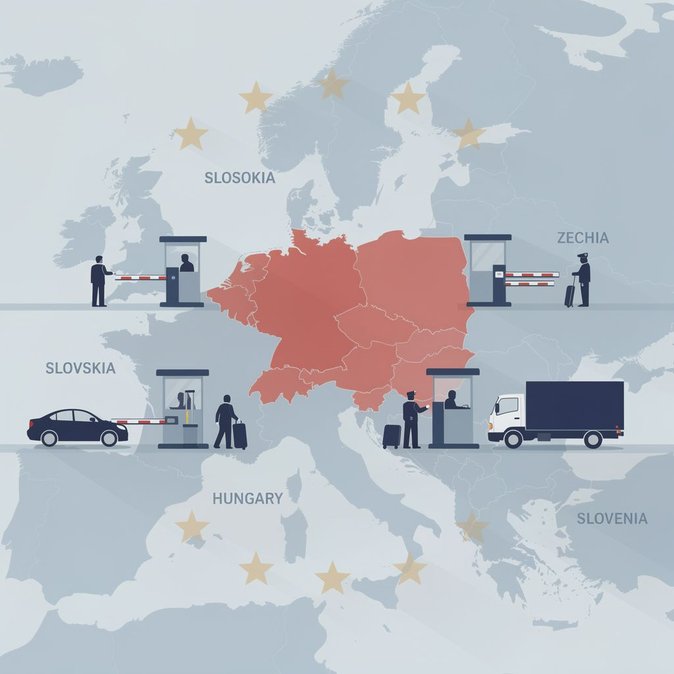
Austria Extends Internal Schengen Border Controls Until 15 March 2027
Austria has extended its temporary internal Schengen border controls for another six months, from 16 September 2026 to 15 March 2027, citing migration and security concerns. Spot checks will therefore continue on the borders with Slovakia, Czechia, Hungary and Slovenia, affecting commuters, freight traffic and airlines. Businesses should budget extra transit time and ensure travellers carry correct documents. The move underscores persistent pressure on the Schengen system and foreshadows possible EU-level debates on the future of internal border controls.

Italy and Spain prolong reciprocal Schengen border checks amid Ceuta migration dispute
Italy has prolonged for another 15 days the internal Schengen controls it imposed on travellers from Spain; Madrid has extended its tit-for-tat checks on arrivals from Italy for the same period. The measures, triggered by July’s mass migrant crossing into Ceuta, lengthen airport and port processing times and oblige business travellers to carry full ID. The episode exposes the fragility of Schengen free movement and forces companies shuttling staff between the two countries to build extra time and compliance checks into travel plans.