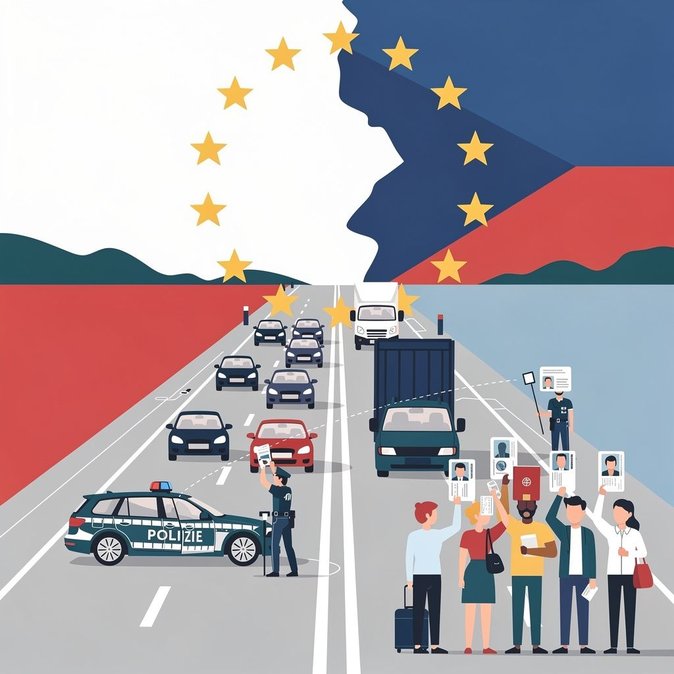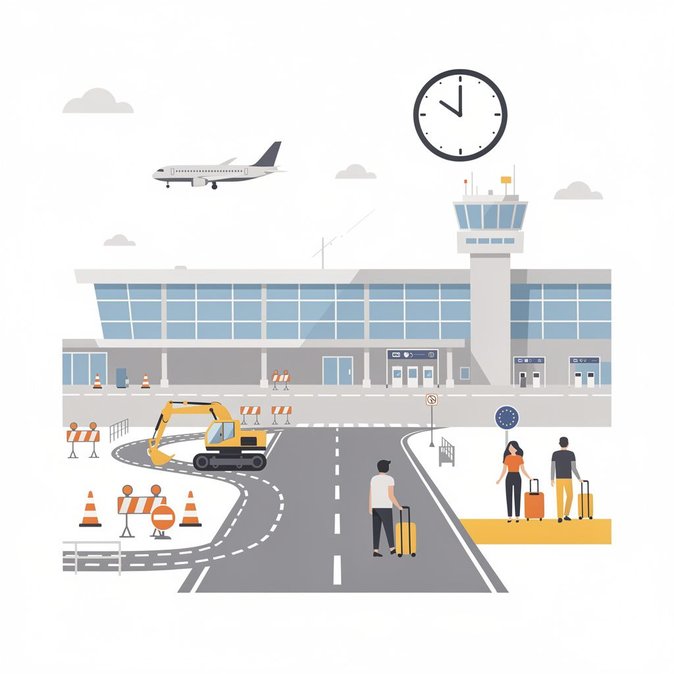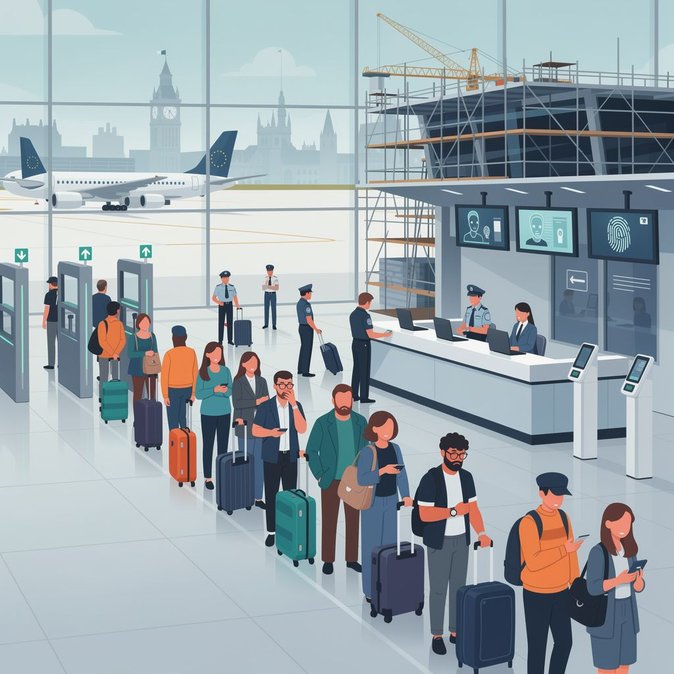
Passengers arriving from non-EU countries at Václav Havel Airport Prague reported waits of up to three hours on 16 September as border officers struggled with the high-season load and teething problems in the EU’s new Entry/Exit System (EES). The EES records fingerprints and facial images of third-country nationals and has added up to 45 seconds per traveller, a bottleneck that quickly multiplies when three long-haul flights land within minutes. One Czech passenger told daily iDNES that her spouse with an Israeli passport cleared the EES booths only after she had waited "nearly the time of our Tel Aviv flight". Canadian visitors from Toronto voiced similar complaints. Airlines have begun warning customers to expect delays and urging those with tight onward rail connections to build in extra slack. Airport management says the congestion should ease once a CZK 290 million expansion of Terminal 1 passport control is completed in April 2027 and additional automated e-gates come online. In the short term, however, the police plan to add four manual counters during peak arrival banks and to re-assign officers from quieter Schengen gates when necessary. Business implication: companies scheduling tight same-day meetings for arriving executives may need to reconsider itineraries or switch to Schengen-area hubs (Frankfurt, Munich, Vienna) with onward rail. Travel managers should monitor live flight trackers and advise travellers to allow at least two hours from touchdown to curbside when arriving from outside the EU. The Czech Interior Ministry says it will review passenger-flow data over the next month and, if needed, request derogations that allow airlines to pre-enrol biometric data at departure airports, a workaround already tested in Lisbon and Amsterdam.
Source: iDNES.cz