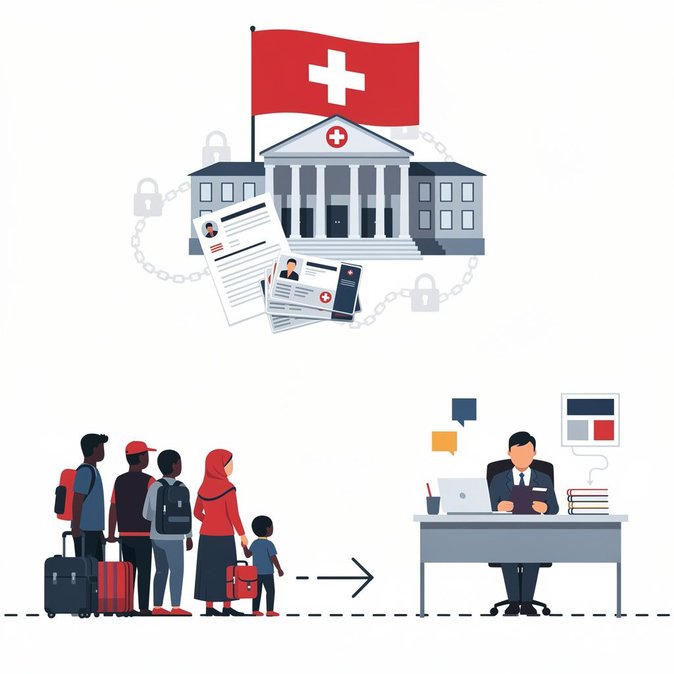
In an extraordinary session on September 17, 2026, the Swiss National Council (lower house) approved a package of nine motions designed to tighten Switzerland’s asylum regime and expand the state’s power to revoke citizenship and deport dual-national offenders. The debate – requested by the right-wing Swiss People’s Party (SVP) – took place against the backdrop of a 19 % year-on-year rise in asylum requests and growing pressure on cantonal reception centres. The most controversial motion instructs the Federal Council to withdraw Swiss nationality from dual citizens who are convicted of the most serious crimes and to expel them once sentences are served. Although current law already allows revocation in cases that “seriously damage Switzerland’s interests or reputation,” supporters argued that the threshold is too high and procedures too slow. Opponents from the Social Democrats and Greens warned that creating two classes of citizenship could violate Switzerland’s international obligations and leave individuals stateless if their second country refuses to accept them. Another motion demands targeted sanctions (such as cutting development aid or restricting visa issuance) against countries of origin that refuse to cooperate on the return of rejected asylum seekers. Law-makers also asked the government to stop automatically granting full asylum to Afghan women, replacing it with provisional admission that can more easily be revoked if conditions improve. Business groups watching the debate note that Switzerland relies on foreign talent and must balance security concerns with its reputation for humanitarian openness. Stricter deportation rules could deter highly skilled dual nationals, while tougher measures against non-cooperative states might escalate diplomatic tensions and complicate business travel. Multinational companies with global mobility programmes should follow the parliamentary process closely: the Council of States (upper house) will examine the motions later this year, and any legal revisions will likely come with new compliance obligations for HR and immigration teams. For employers, the immediate takeaway is that political momentum is clearly moving toward a more restrictive asylum framework. Companies should review their internal risk assessments for staff on humanitarian visas and prepare for possible changes to family-reunification timelines, residence-permit renewals, and revocation criteria once the legislative process concludes.
Source: SWI swissinfo.ch
How VisaHQ can help
VisaHQ simplifies the visa application process for individuals and businesses. Check current travel requirements, prepare the required documents and manage your application online through the VisaHQ Switzerland portal.More From Switzerland
View all
Canton St. Gallen to Require Criminal-Record Extracts from EU Citizens Seeking Residence

EU grants Switzerland temporary leeway on Entry/Exit System to ease airport queues