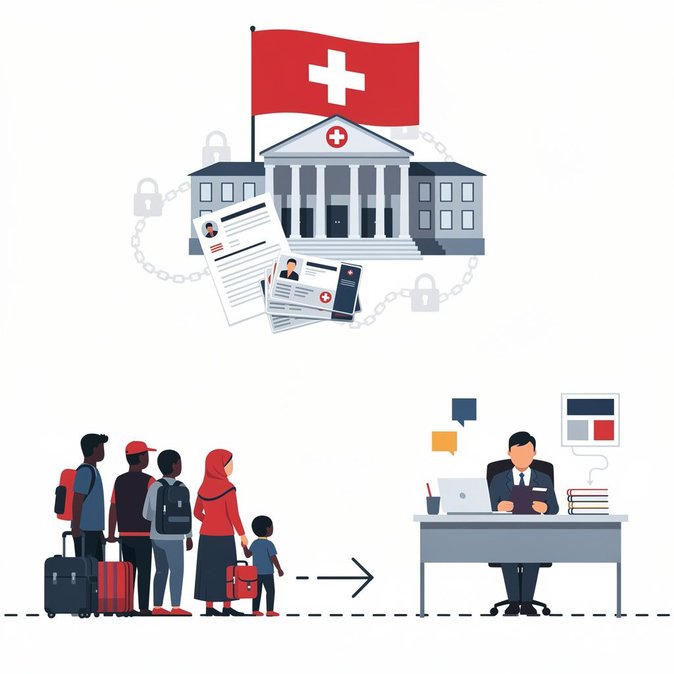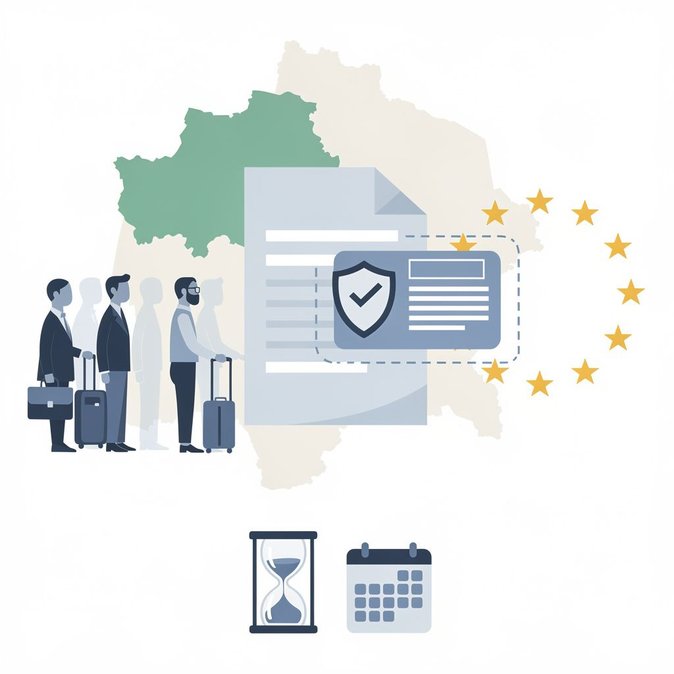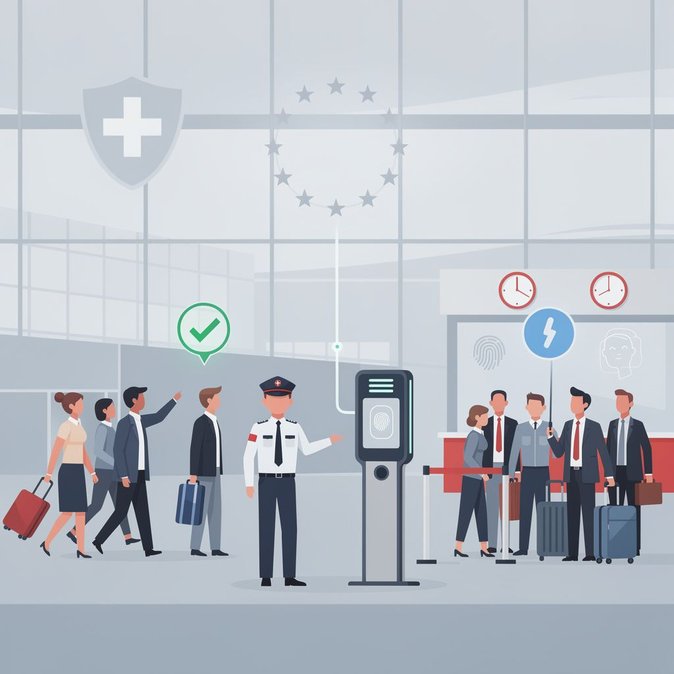
Travellers using Swiss airports received welcome news on 16 September 2026 after Brussels approved a Swiss request for more operational flexibility under the new Schengen Entry/Exit System (EES). The concession allows Swiss border guards to suspend mandatory biometric registration during peaks of excessive queuing – a measure the EU had planned to end on 6 September but has now prolonged for nine member and associated states, including France, Germany and Italy. EES, fully rolled out on 10 April 2026, records the fingerprints, facial image and passport data of every non-EU traveller entering or leaving the Schengen Area. While the system speeds up routine crossings once travellers are enrolled, first-time registration has caused bottlenecks at Zürich, Geneva and Basel-Mulhouse airports, with wait times topping 90 minutes during the summer rush. Swiss authorities warned that without a grace period, missed connections and flight delays would surge just as the autumn business-travel season begins. Under the new derogation, border-control supervisors may temporarily switch to ‘light touch’ procedures when queue times threaten to exceed 45 minutes, prioritising flight punctuality over full biometric capture. The exception must be documented and can only be used until a permanent capacity upgrade – additional e-gates, mobile biometric kiosks and staffing reinforcements – is in place. Switzerland has committed CHF 42 million to accelerate those improvements before year-end. For corporate travel managers, the ruling offers short-term relief but also signals that stricter enforcement is inevitable. Employees from visa-exempt countries who have not yet enrolled in EES should be advised to allow extra time at passport control on their next trip, especially at non-Swiss Schengen airports where no waiver applies. Companies should also audit their traveller profiles: once a person’s 90/180-day Schengen allowance is calculated automatically by EES, overstays will trigger immediate alerts and possible entry bans. Longer term, the episode underlines the importance of digital border technology literacy for HR and global-mobility teams. From 2028, the EU plans to merge EES data with the digital Schengen-visa platform and the upcoming ETIAS travel-authorisation system, creating a single risk-analysis architecture. Organisations moving staff through Switzerland and the wider Schengen zone should update policy handbooks, traveller-training modules and data-protection assessments accordingly.
Source: Travel Inside