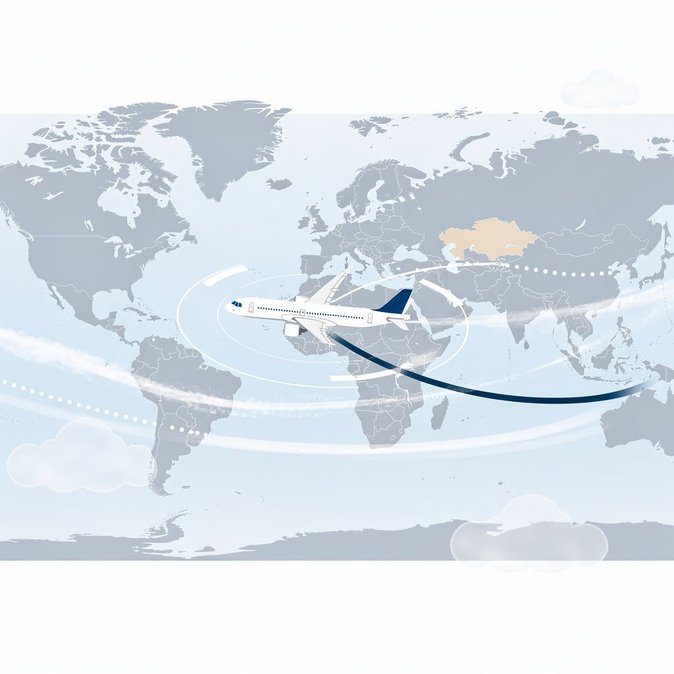
On 17 September 2026 Air France released the findings of a large-scale research programme conducted between February and April that tested predictive algorithms and real-time satellite feeds to reroute flights away from atmospheric zones prone to persistent contrail formation. Conducted in partnership with climate-research institute SIRTA and start-up Satavia, the campaign involved more than 200 long-haul sectors and achieved a 50 % reduction in contrail “climate forcing” without meaningful increases in fuel burn. Contrails—ice crystals that can trap heat—are estimated to represent two-thirds of aviation’s net climate impact. Regulators, including France’s Directorate-General for Civil Aviation (DGAC), are watching such trials closely as they draft EU Sustainable Aviation Fuels (SAF) mandates and potential non-CO₂ pricing mechanisms under the EU Emissions Trading System. For corporate-sustainability directors overseeing mobility footprints, the study offers a tangible pathway to lower Scope 3 emissions associated with employee travel. Several Fortune 500 firms with Paris operations already include contrail-optimised itineraries as a criterion in travel-management RFPs; Air France’s data may accelerate that trend and give France-originating routes a green premium. Operationally, the airline will integrate the avoidance algorithm into its SkyBreathe® fuel-management suite by year-end, starting with North-Atlantic services. Pilots will receive dynamic reroute suggestions via electronic flight bags, while dispatchers evaluate trade-offs between detours and fuel costs. The initiative aligns with France’s wider push for climate-aligned mobility ahead of the 2027 EU presidency, positioning the country—and its flag carrier—as laboratories for sustainable travel solutions that expatriate programmes increasingly demand.