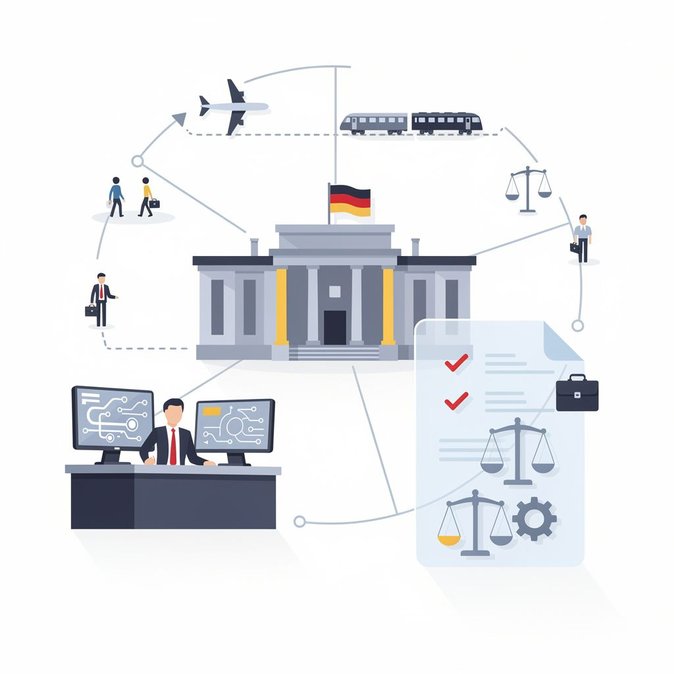
From Sunday, 20 September 2026, applicants in Tajikistan who need a German national visa (long-stay D-visa) for study, vocational training or skilled employment must file their paperwork exclusively through the Auslandsportal, the Federal Foreign Office’s new online visa platform. The Duschanbe embassy’s notice sets out nine common visa categories—including EU Blue Card, the new Chancenkarte (Opportunity Card) and §18a/b skilled-worker permits—that will no longer accept paper appointment requests. Applicants upload forms and supporting documents digitally, after which the system assigns a biometric appointment at the chancery. Anyone who joined the legacy waiting list before 19 September will still receive an appointment, but new paper registrations have been disabled. Berlin has spent the past two years piloting the Auslandsportal in selected missions; Tajikistan is the first Central-Asian post to move the majority of its caseload online. The Foreign Office says the portal cuts average front-office processing time by 30 %, eliminates courier costs and gives applicants real-time status updates. Businesses recruiting IT specialists from Dushanbe welcome the shift, noting the previous paper queue stretched to six months. The embassy retains paper scheduling only for fast-track §81a cases, family reunion and other niche titles that still require manual vetting. For German employers the change means onboarding timelines could shorten: once the applicant’s digital file is approved, biometric capture can be slotted during the same week, reducing overall residence-permit lead-times. HR teams should revise their relocation checklists to ensure workers create Auslandsportal accounts early and budget for e-document scans instead of notarised copies. The embassy warns that uploading incomplete files will reset the queue, so corporate mobility managers should audit document sets carefully before submission.