Eighteen EU interior ministers met in Munich on 26 September 2026 to demand faster deportations and a stronger role for the bloc’s border-agency Frontex, signalling a rightward shift in the implementation of the EU Pact on Migration and Asylum that entered into force in June. France conspicuously skipped the gathering, officially citing agenda clashes linked to the papal visit, but analysts interpret the no-show as a sign of Paris’s unease with proposals to outsource asylum-processing to third-country “return hubs”. Germany, Austria, Denmark, Greece and the Netherlands spearheaded the call for external processing centres in countries such as Rwanda and Uganda and for empowering Frontex to organise rapid-reaction teams within 24 hours of a border surge. EU Commissioner for Home Affairs Magnus Brunner presented statistics indicating irregular entries have fallen over the past two years but argued that “visible crises”, such as this summer’s events in Spain’s Ceuta enclave, require new escalation tools. For France, which chairs the Schengen Council working group until December, the political calculus is complicated. On the one hand, the Élysée has pressed for harmonised expulsion rules to address domestic concerns about failed returns; on the other, President Macron faces left-wing and centrist resistance to offshore processing that critics label “outsourcing responsibility”. Business-immigration lawyers warn that any acceleration of return procedures could indirectly tighten labour-market tests and heighten scrutiny of intra-company transferees who fall out of status. Corporate mobility managers should watch upcoming Council working papers: if Frontex gains a broader mandate to initiate removals, employers may have less leeway to regularise overstaying employees before enforcement. Meanwhile, the absence of France at Munich does not mean Paris lacks influence; diplomats say the government is drafting a “middle-way” paper that could emerge at the next Justice and Home Affairs Council on 10 October, balancing faster returns with enhanced legal-migration channels such as the Talent residence permit. In practical terms, nothing changes overnight, but the Munich summit marks a clear political push for tougher external-border management. Companies with operations that depend on non-EU talent routed through France should anticipate stricter document-verification at worksites and be ready to evidence compliance if new regulations crystallise over the winter.
Source: ANSA Europa
How VisaHQ can help
VisaHQ simplifies the visa application process for individuals and businesses. Check current travel requirements, prepare the required documents and manage your application online through the VisaHQ France portal.More From France
View all
SNCF Issues Special Alert for Lourdes Trains Amid Papal Crowds
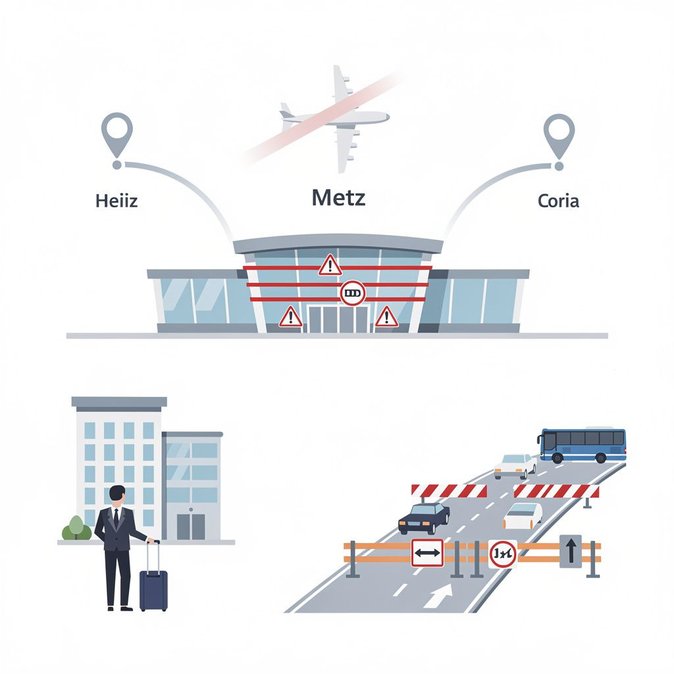
Metz-Nancy-Lorraine Airport closed to commercial traffic 26–29 September for papal Mass: passengers redirected to Luxembourg and Strasbourg