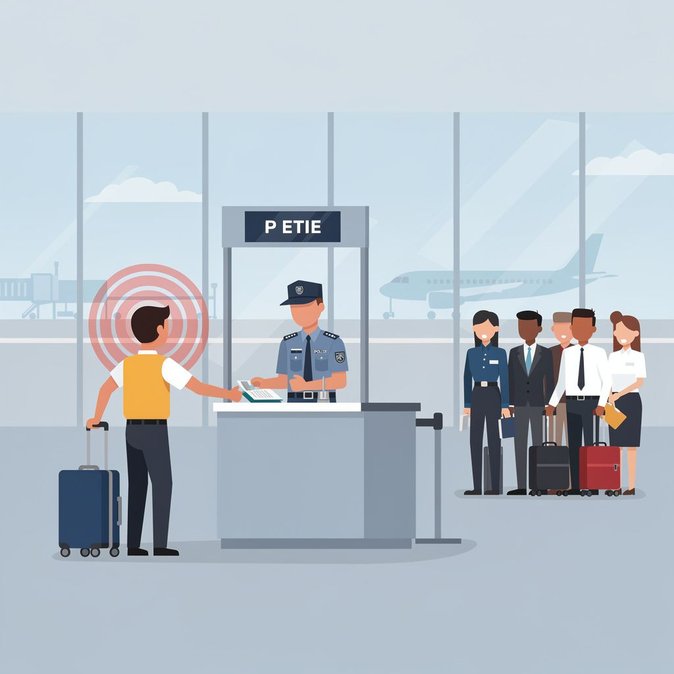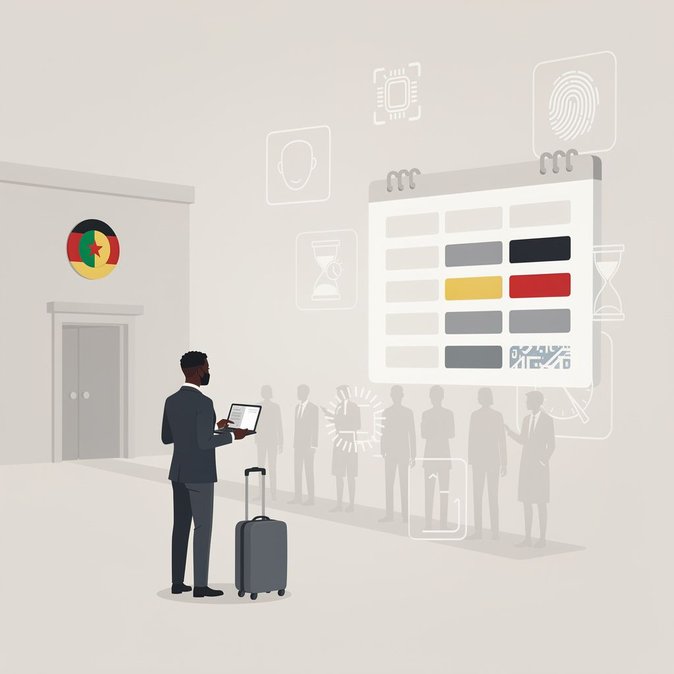
The German Embassy in Dakar updated its visa information pages on 28 September, confirming that all Schengen-visa appointments are now allocated exclusively via an online waiting-list introduced late 2025. Business-visa applicants currently face an average wait of ten weeks for an interview slot, while family-visit visas can take up to 17 weeks. The embassy serves Senegal, The Gambia and Guinea-Bissau—countries where German companies are scaling up renewable-energy and agritech projects. The long lead-times have already forced several Mittelstand firms to postpone site audits and training programmes; one Hamburg-based solar installer told Global Mobility News it budgeted an extra €30 000 this quarter for remote commissioning. Consular officials blame surging demand post-pandemic and the need to integrate biometric requirements of the EU Entry/Exit System (EES), fully operational since April 2026. Because EES captures fingerprints and facial images at the border, consulates must verify data integrity upfront, lengthening pre-screening. The embassy advises companies to register staff on the waiting-list “as early as possible” and warns that booking the wrong visa category will lead to refusal at the gate. Practically, employers should: (1) block assignment start-dates 12–14 weeks out; (2) prepare complete document sets in line with new digital-portal requirements; and (3) monitor German Foreign Office pilots that promise video-interview capability in Q2 2027. Mobility teams should also remind travellers that EES processing may add 5–15 minutes at Frankfurt and Munich immigration counters during peak hours. While the update concerns West Africa, it signals a wider trend: several German missions (e.g. Nairobi, New Delhi) are expected to migrate to waiting-list allocation before ETIAS goes live in late 2026. HR should therefore audit global visa calendars and build buffer time into project plans.