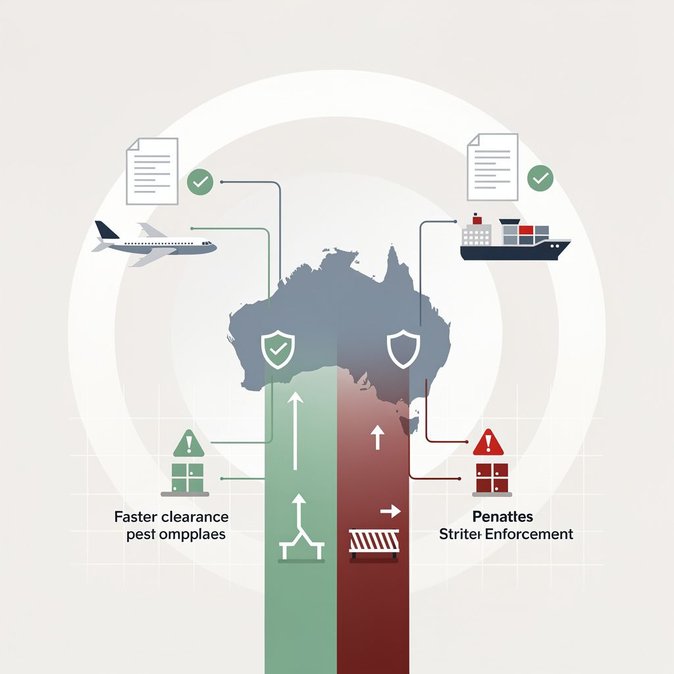
An article released on 1 October 2026 confirms that Ministerial Direction 119—introduced only in July—has already been superseded by Directions 121 and 122, signed by Workplace Relations Minister Tony Burke on 18 September. Direction 121 covers temporary Skills-in-Demand (subclass 482) visas, while Direction 122 governs permanent and provisional skilled subclasses such as 186, 189, 190, 491 and 887. The top priority tier now spans seven sectors: construction, healthcare, teaching, agriculture, aquaculture, fishing and resources, plus occupations linked to law-enforcement or defence interests. Crucially, priority no longer depends on the applicant’s physical location—offshore candidates in these sectors jump to the front of the queue alongside onshore peers. For 482 visas, the Specialist Skills stream receives its own second tier, reflecting industry calls for faster niche-talent processing. Applicants in non-priority occupations still benefit from being onshore, but offshore family-unit cases slide further down the list. The Department of Home Affairs has begun re-ordering existing caseloads, meaning companies could see older applications leapfrogged by newly lodged files that fit priority profiles. For HR and mobility managers, the shift rewards strategic nomination choices. Employers in mining, agribusiness or regional construction may gain significant speed advantages, especially when recruiting internationally. Conversely, businesses planning to transfer staff in lower-priority roles should build longer timelines into project plans or explore Labour Agreement pathways. Migration agents caution that processing order is not the same as approval; decision-ready applications with complete medicals and police checks remain essential. Further tweaks are possible as Home Affairs finalises the 2026-27 Migration Programme settings.