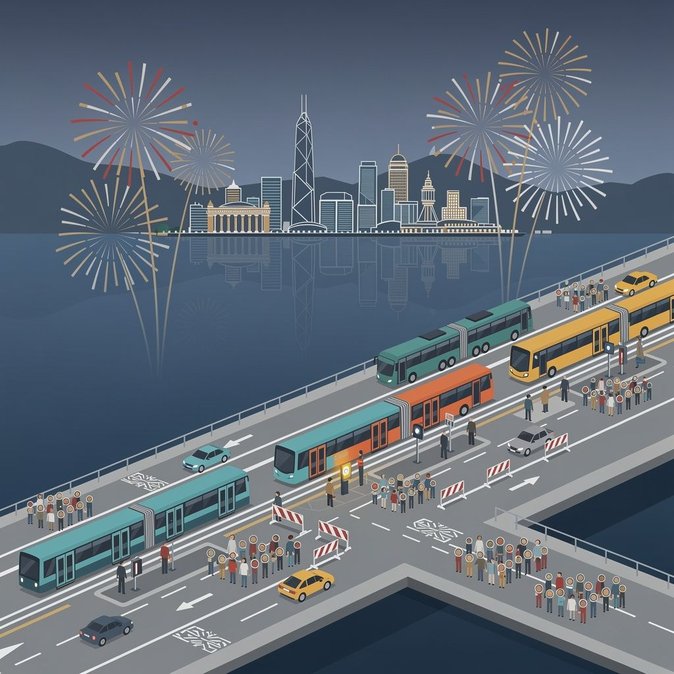
Cross-boundary logistics on the Hong Kong-Zhuhai-Macao Bridge (HZMB) will take a major step forward at midnight on 1 October, when the clearance window for imported fresh and live food is expanded from the current 16-hour schedule to a round-the-clock 24-hour operation. According to a press release issued on 30 September by the Centre for Food Safety of the Food & Environmental Hygiene Department, vehicles carrying chilled and frozen poultry, meat, game, eggs, dairy products, live seafood, vegetables and fruit from the mainland will be able to enter Hong Kong at any time of day. The department will continue to inspect documentation, conduct physical checks and take random samples for laboratory testing to ensure food safety standards are maintained. The policy change follows months of lobbying by cold-chain operators who argued that the overnight closure of the bridge added cost and uncertainty to “just-in-time” deliveries serving hotels, restaurants and supermarkets. Many importers were forced to detour through the Man Kam To or Shenzhen Bay checkpoints, resulting in longer transit times and higher emissions from idling trucks. A 24-hour lane is expected to smooth supply chains during peak demand periods such as the Mid-Autumn Festival and the upcoming National Day Golden Week, when restaurants typically see a spike in seafood and produce orders. Logistics firms told Global Mobility News that they are already rescheduling departures from Guangdong pack-houses to take advantage of the new flexibility, and several plan to pilot consolidated night-runs that will shave three to five hours off door-to-door delivery times. For multinational food retailers, the change further strengthens Hong Kong’s role as a distribution hub in the Greater Bay Area. Companies operating regional procurement centres in the city will benefit from reduced spoilage risk and potentially lower insurance premiums linked to temperature excursions. The move also aligns with Beijing’s wider push for seamless inter-city flows in the GBA, signalling that passenger-clearance hours could be next in line for liberalisation if the pilot proves effective.