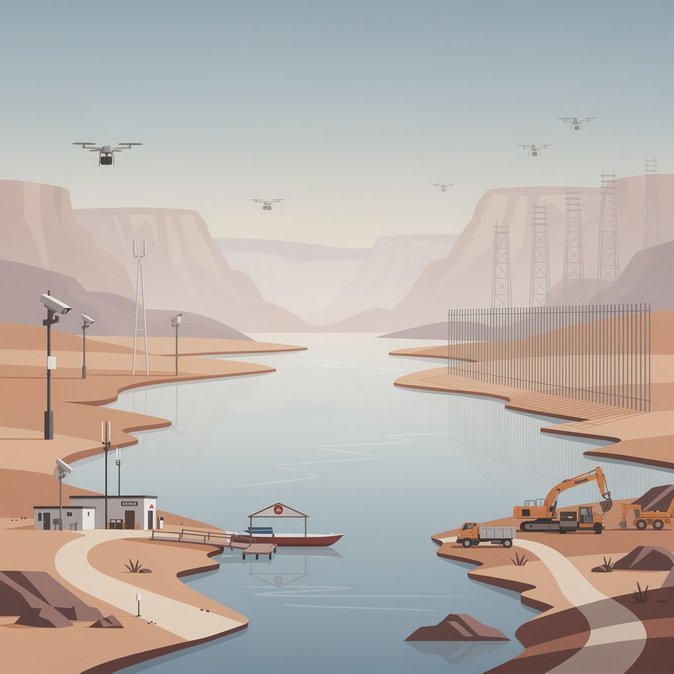
Customs and Border Protection told a federal court late on September 30 that it is “actively considering adjustments” to the multi-billion-dollar security project planned for Big Bend National Park in Texas. The filing, released just hours before the new fiscal year, indicates that CBP could reduce lighting, road construction and surveillance infrastructure in the ecologically fragile Rio Grande corridor after months of pushback from environmentalists, local businesses and bipartisan lawmakers. CBP halted earth-moving activity in August when bulldozers were photographed near sensitive desert habitat. Opponents argued that the original design, which once included a 30-foot steel bollard wall, would damage dark-sky tourism and disrupt wildlife migration. Industry observers now expect the agency to pivot toward removable vehicle barriers, portable camera towers and drone-based monitoring—an approach that reflects a broader shift toward “low-impact” border tech. For companies that move personnel and goods through the remote Big Bend sector, the outcome matters. The existing park road is notorious for flash-flood closures; the proposed upgrade would have eased commercial access to the Boquillas crossing used by energy and mining firms operating on both sides of the river. A scaled-back plan could delay those logistical benefits, but it may also avert potential litigation that threatened to freeze the project for years. CBP says it will announce a final decision during the first week of October and will delay any ground-disturbing work for several weeks afterward. Stakeholders have until October 8 to file supplemental comments. Mobility planners with operations in West Texas should monitor the environmental assessment docket and build contingency time into cross-border supply-chain schedules.
Source: Associated Press