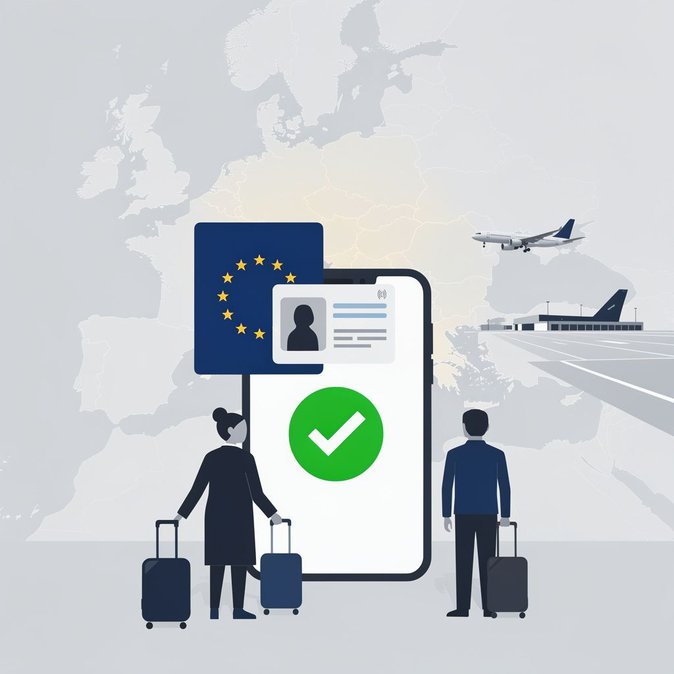
Brussels-based outlet *The European Post* reported on 5 October 2026 that EU officials have reiterated the target to launch the European Travel Information and Authorisation System (ETIAS) in the final quarter of 2026. Although the exact go-live date is still pending, the Commission says no further postponement is foreseen. For the Czech Republic, the timeline means that Václav Havel Airport Prague and all other external-border points (principally the airport’s non-Schengen Terminal 1) must finish integrating ETIAS queries into passenger-processing software by mid-summer 2026. Czech Police confirm that stress tests—begun during the entry/exit system (EES) rollout—will move to full-volume simulations in November. Once operational, ETIAS will require visa-exempt travellers—including visitors from the UK, USA, Canada and most of Latin America—to apply online for a €20 travel authorisation valid for three years. Carriers will be fined if they transport passengers without a valid approval, making compliance a top priority for Czech-based tour operators and corporates that frequent inter-continental routes. Mobility managers should begin updating pre-trip checklists, corporate booking tools and traveller-communication templates. Because many assignees travel with dual passports, HR teams should verify passport validity and ensure the document registered in ETIAS matches the one used at boarding. For short-term Czech business visa waivers (e.g., for U.S. staff visiting Brno’s tech corridor), the new requirement could add 96 hours of lead-time if applicants wait until the last minute. The Czech Ministry of the Interior will publish carrier-compliance rules in early 2027, but companies can already join the ETIAS Carrier Community portal to test API feeds. Failure to adapt systems in time risks boarding denials, project delays and possible corporate-reputation damage.
Source: The European Post