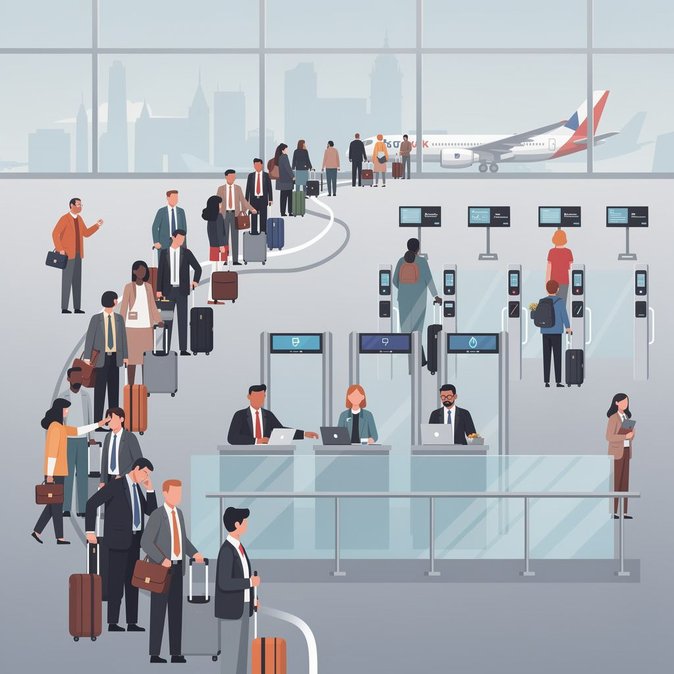
Nearly six months after the European Union’s biometric Entry/Exit System (EES) became fully operational, passengers arriving from non-Schengen destinations continue to face extended wait times at Václav Havel Airport Prague. In a forum post dated 3 October, a UK traveller asked fellow visitors whether the situation had improved since airport authorities promised fixes two weeks earlier; several responses cited passport-control waits of between 60 and 90 minutes during peak evening arrivals. The frustration comes despite a joint statement last week from Prague Airport and the Czech Ministry of the Interior claiming that additional e-gates, floor staff and a “fast-fail” protocol had already shortened average processing times by 30 percent. However, airlines say staffing remains uneven, and business-travel stakeholders worry that continued bottlenecks could hurt the capital’s attractiveness as a conference hub. Under EES, third-country nationals must submit fingerprints and a facial scan the first time they cross an external Schengen border, replacing the old passport stamp. Border-police unions argue that many booths lack sufficient biometric hardware and that space constraints in Terminal 1 make queue management difficult. Corporate travel managers should build an extra two hours into itineraries for non-EU employees and recommend that frequent travellers enrol in automated e-gate programmes such as SmartGate CZ once available. Airlines operating late-evening long-haul flights have begun issuing pre-arrival advisories, and several—to include Qatar Airways and American Airlines—have asked for dedicated business-class lanes during the winter timetable. Prague Airport says it will install six more automated kiosks by mid-October and is negotiating with the interior ministry for temporary police reinforcements over the Christmas peak. Stakeholders will watch closely: the EU has already postponed its companion ETIAS travel-authorisation scheme, and any prolonged EES disruption could fuel calls for a phased roll-out in smaller airports.