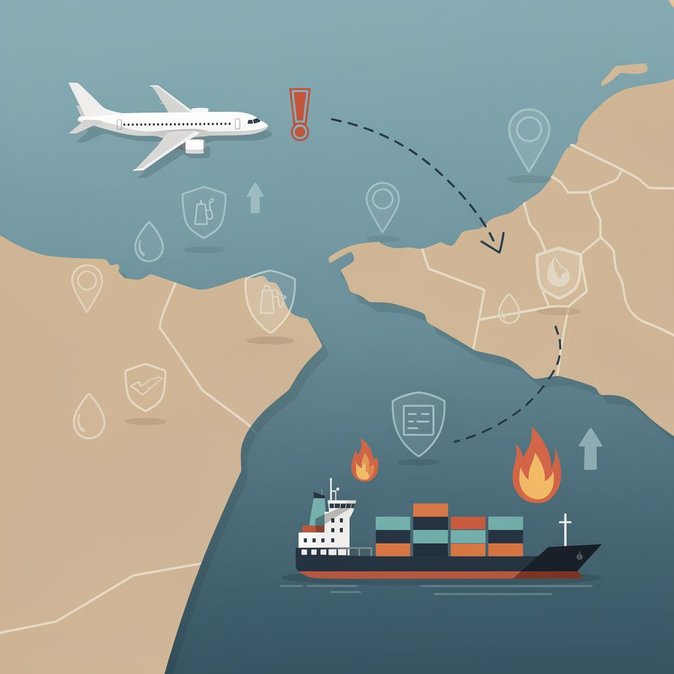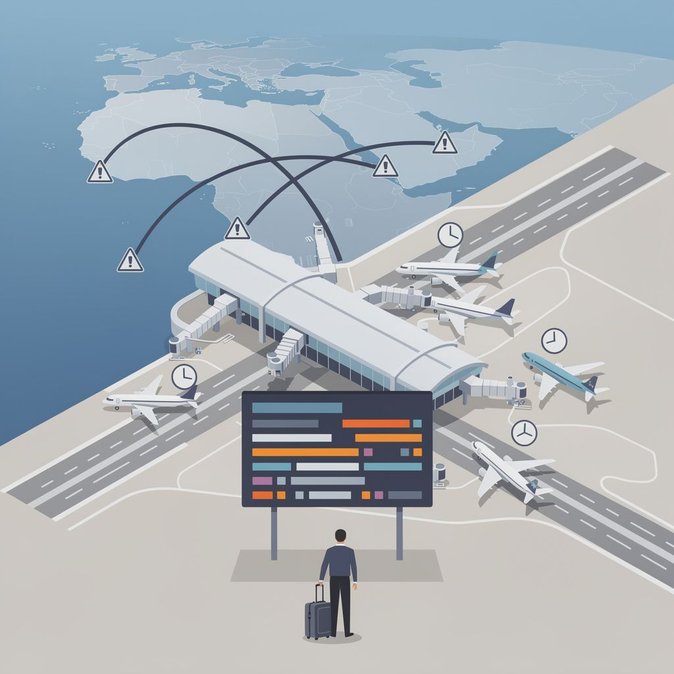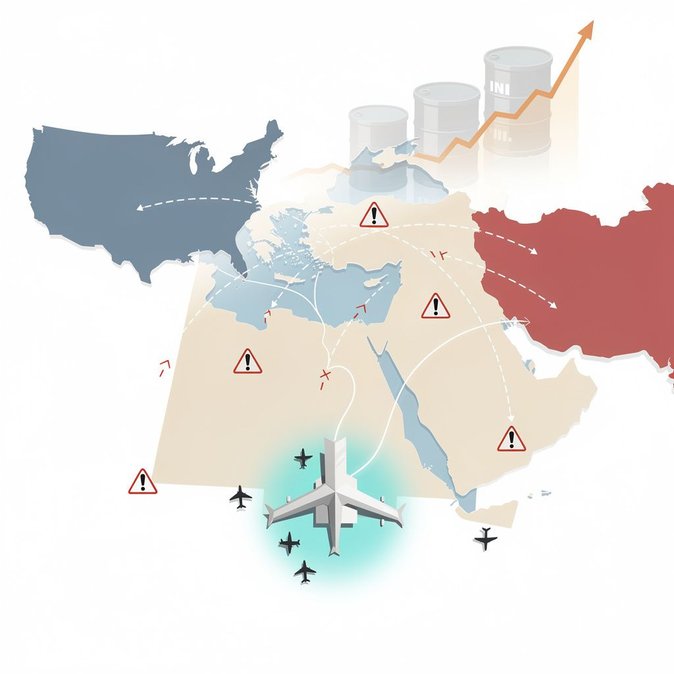
Thursday’s flare-up in the US-Iran conflict sent fresh shockwaves through Gulf aviation and logistics networks, but the UAE’s transport infrastructure continues to operate—if nervously. As Gulf News reports, Saudi Arabia struck 82 Houthi targets after missile attacks on Riyadh and Abha airports, while a tanker off Qatar suffered projectile hits. Iran simultaneously claimed it had closed the Strait of Hormuz; the US Navy disputed this, saying 20 million barrels of oil still transit daily. For the UAE, the immediate impact is airborne. Emirates, Etihad, flydubai and Air Arabia are maintaining most schedules, yet selective cancellations and lengthy reroutes persist. Air France has suspended Dubai flights until 24 October; Cathay Pacific has cancelled Dubai and Riyadh services through 31 January 2027. Regional air-traffic managers continue to impose altitude and route restrictions that add up to 90 minutes’ flying time on Europe-bound sectors. The knock-on effects extend to cost. Brent crude hovered above US$100 a barrel on 8 October, pushing UAE pump prices to a three-month high (Special 95 at Dh 4.28). Higher jet-fuel and marine-insurance premiums feed directly into corporate travel and freight budgets. Supply-chain managers should expect rate negotiations to include “war-risk” and “Hormuz contingency” surcharges for the rest of Q4. Advice for mobility professionals: • Check flight status right before departure; schedule changes can occur within hours. • Build an extra travel-time buffer for assignee relocation or project-start dates. • Reassess per-diem allowances to reflect higher ground-transport and courier costs linked to fuel. • Consider dual sourcing or safety stocks for goods routed via Gulf ports if maritime security worsens. Despite the turbulence, UAE airports remain open and no local movement restrictions are in place. The key is vigilance: monitor official airline feeds, government advisories and reputable news sources rather than social-media rumours.
Source: Gulf News