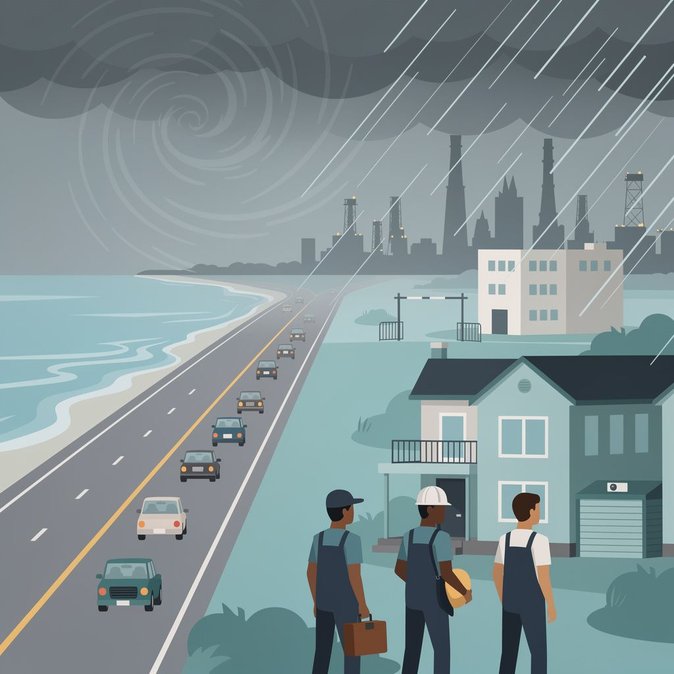
As Hurricane Isaias made landfall on the Gulf Coast on October 9, the Department of Homeland Security declined to clarify whether it would pause non-criminal immigration enforcement in disaster zones. In previous administrations— including Trump’s first term—DHS routinely suspended routine arrests during major storms to avoid deterring evacuees from seeking shelter or medical care. Advocacy groups say the agency’s silence could place undocumented migrants and mixed-status families at mortal risk. Emergency-management experts note that federal guidance encourages all residents, regardless of status, to comply with evacuation orders. Yet anecdotal reports from Florida and Alabama suggest some immigrant families are choosing to shelter in place rather than risk roadblocks or ID checks at relief centers. Local NGOs have begun distributing bilingual know-your-rights leaflets and coordinating safe-harbor churches as temporary shelters. For employers with H-2B seasonal workers on the Gulf Coast, the lack of clarity complicates evacuation logistics. Companies must balance Occupational Safety and Health Administration (OSHA) obligations with visa-compliance rules that require workers to remain at authorized job sites. Mobility managers are drafting contingency plans that include charter buses to relocation sites outside the storm’s path, coupled with notarized letters explaining the visa holders’ lawful status. If DHS ultimately confirms an enforcement pause, it could come too late to influence behavior. After Hurricane Ida in 2021, ICE issued a suspension notice only 24 hours before landfall; researchers later found that immigrant communities evacuated at significantly lower rates than native-born residents. Disaster-response consultants urge multinational corporations to provide clear, company-branded assurances that no employee will be penalized for following evacuation orders, regardless of immigration status. Long term, the episode revives calls for a standing memorandum automatically suspending civil immigration enforcement during federally declared disasters. Such a policy would give businesses and community organizations the predictability they need to safeguard all residents without stoking fear.
Source: Associated Press