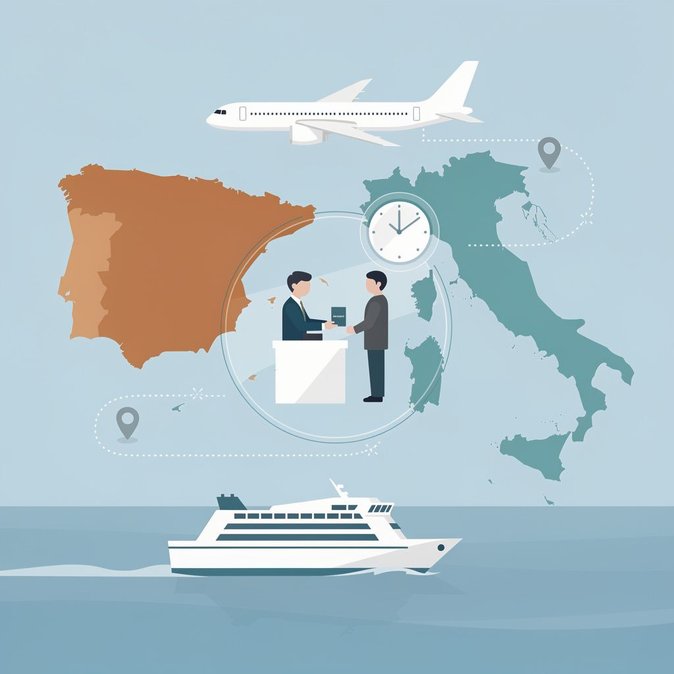
Addressing the Italian Senate on 14 October, Prime Minister Giorgia Meloni insisted that Rome’s decision to reinstate border checks on flights and ferries arriving from Spain is a “routine security instrument” permitted under the Schengen Code. Italy first imposed the measure on 1 August, citing concerns after tens of thousands of migrants entered the Spanish enclave of Ceuta. Spanish authorities responded by imposing reciprocal checks on Italian arrivals, and both sides have been renewing the suspensions in 15-day increments ever since. Meloni told lawmakers that “extraordinary migratory pressure” justified the controls and that bilateral talks with Madrid are ongoing. For the moment, passengers must present passports or national ID at what were previously open internal EU borders. Airlines operating the busy Madrid–Rome and Barcelona–Milan corridors report minimal schedule impact but longer queues at arrival halls, particularly during evening peaks. Carriers are advising travellers to arrive earlier and expect random secondary screening. Rail operators have not been affected because there are no direct cross-border services. The episode underscores the political ripple effects of Ceuta’s July crisis and raises the prospect of more frequent intra-Schengen suspensions if member states feel pressured on migration. Multinational firms should monitor validity of employees’ ID documents and factor potential delays into itineraries involving Spain and Italy until the situation normalises.
Source: Europa Press