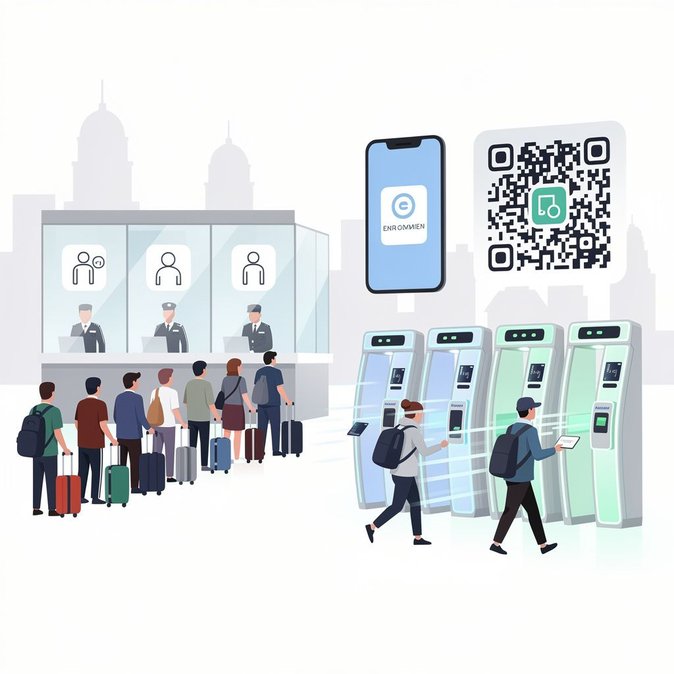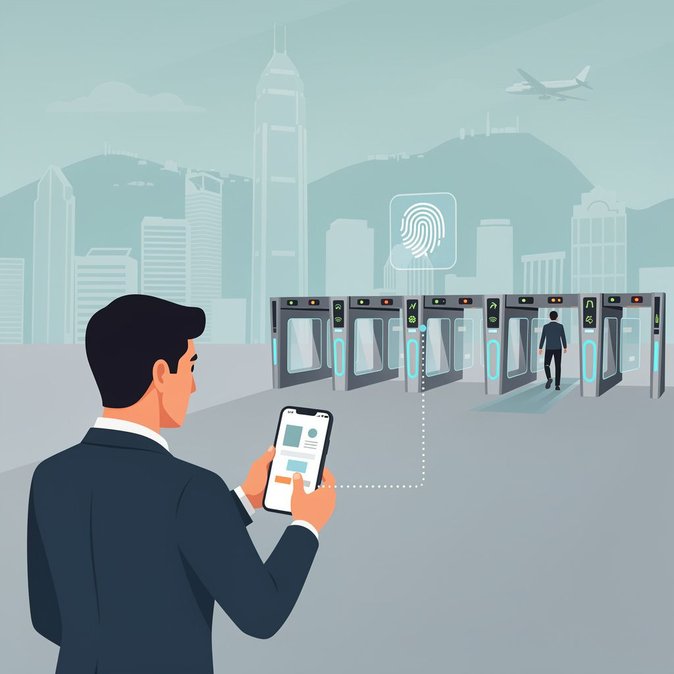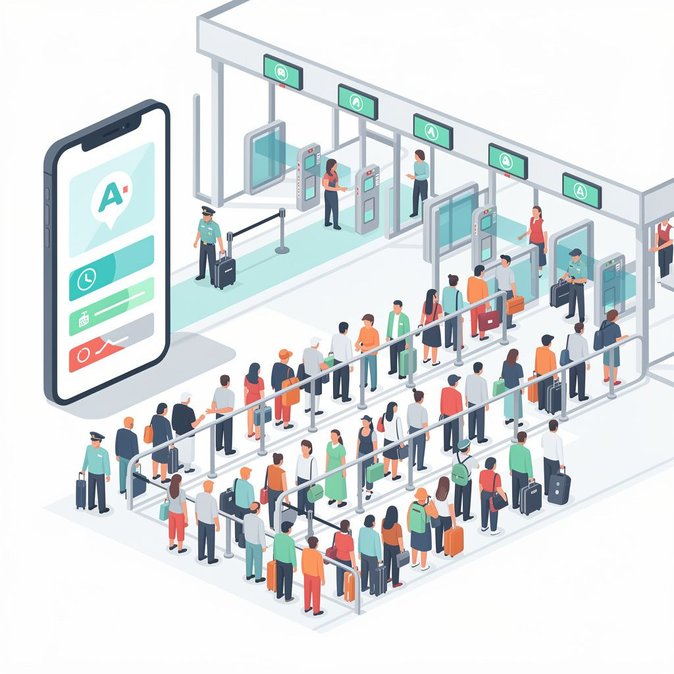
Hong Kong’s newly rebuilt Huanggang Port— the first boundary control point to adopt a one-stop joint-clearance model with Shenzhen—faced its sternest test on October 18, the second day of the Chung Yeung Festival long weekend. According to Immigration Department figures, more than 30,000 outbound passenger movements were logged between 10 a.m. and 2 p.m. alone. Queues reportedly stretched to two hours at the height of the rush, forcing officials to throw open every inspection counter and activate a tidal-flow crowd-management system. Within 90 minutes the Security Bureau upgraded the port’s status on its real-time “Easy Boundary” mobile portal from “Normal” to “Busy”, the first such alert since the facility’s official reopening on October 12. The advisory urged travelers—particularly foreign passport-holders unfamiliar with the new layout—to consider alternative crossings such as Shenzhen Bay or the Lok Ma Chau Spur Line, where clearance times remained below ten minutes. Industry observers say the incident underscores both the popularity of the overhauled checkpoint and the growing importance of user-friendly digital information. Cross-border coach operators reported having to reschedule departures, while multinational firms with staff commuting daily across the tech corridor warned employees to budget extra transit time. For mobility managers, the message is clear: even with automated channels and joint inspection, holiday surges can still cripple land links. Companies with tight delivery schedules or same-day Mainland meetings are advised to monitor the Easy Boundary dashboard, enroll eligible employees in e-Channel programs in advance, and build redundancy—whether by reserving airport slots or staggering travel—to avoid costly delays.
Source: South China Morning Post