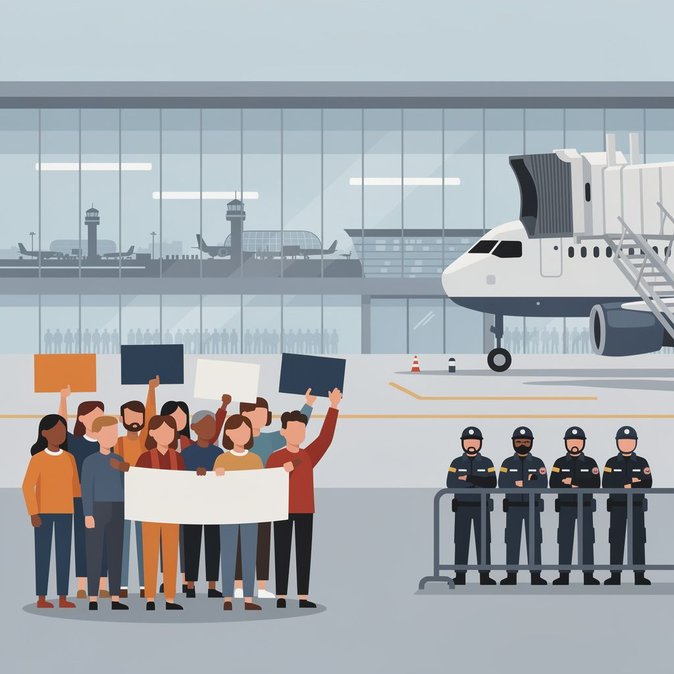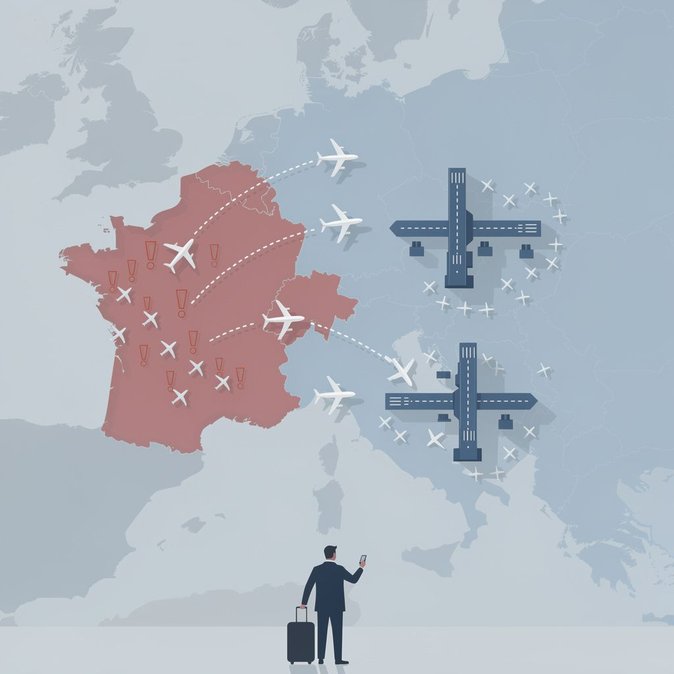
A 24-hour nationwide strike by Belgian airport security and ground-handling staff that began early on 19 October forced Brussels (BRU) and Charleroi (CRL) to cancel all outbound passenger flights, prompting an immediate wave of diversions to neighbouring countries – with Germany picking up a significant share. By mid-afternoon, more than 40 inbound rotations had landed at Cologne/Bonn (CGN) and Düsseldorf (DUS), including long-haul services from the United States, the Gulf and Africa. Both German airports activated contingency stands and expedited immigration counters to cope with the unplanned arrivals. Federal police issued temporary landing-permit exemptions to enable carriers such as Emirates and United Airlines to off-load passengers rapidly before refuelling for repositioning flights. The surge highlights the importance of flexible Schengen-area coordination: passengers arriving at CGN and DUS were processed under German entry rules, then bused onwards to Belgium without additional passport control. For corporate mobility teams, the disruption underscores the need for multi-hub itineraries and clear traveller-tracking protocols. Belgian unions have warned of further actions if wage talks remain stalled, meaning German airports along the border could again become pressure valves. Companies should review ‘Plan B’ routings via Dutch and German gateways and brief travellers on EU 261 compensation rights when flights are cancelled for industrial action. The incident also offered a live test of Germany’s revamped Entry/Exit System (EES) kiosks, with Cologne reporting average biometric enrolment times of under one minute despite the influx – a positive data point ahead of the 2027 tourism spike surrounding the Rugby World Cup.
Source: Passage Wire