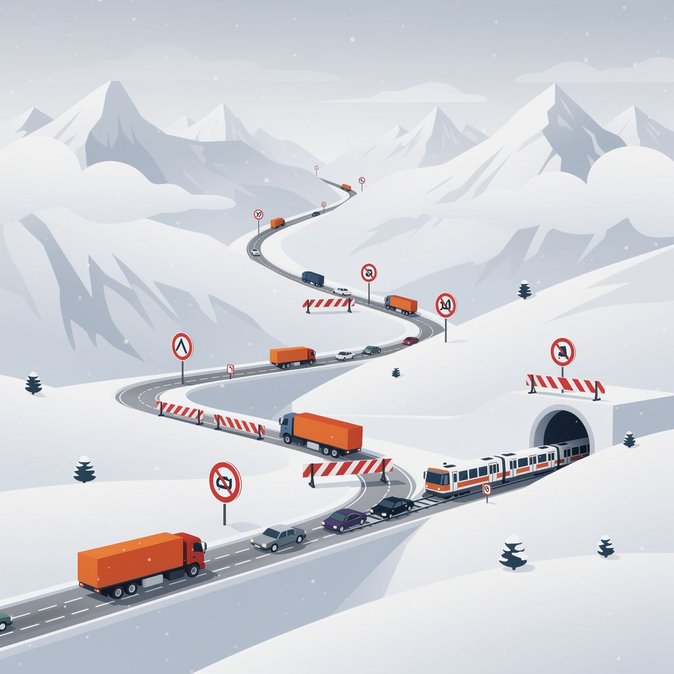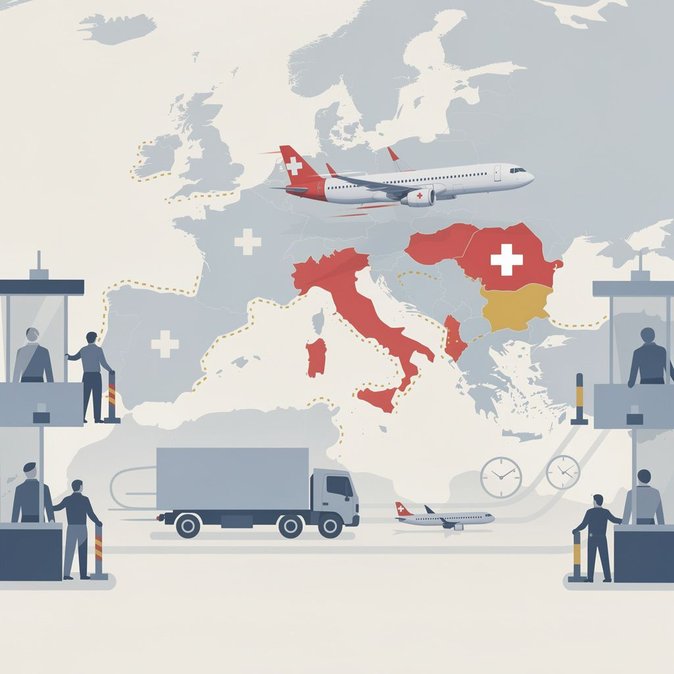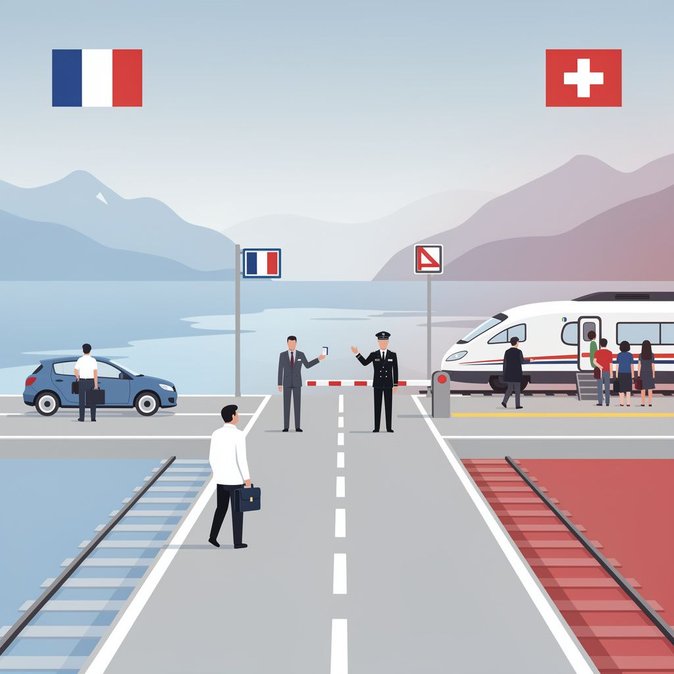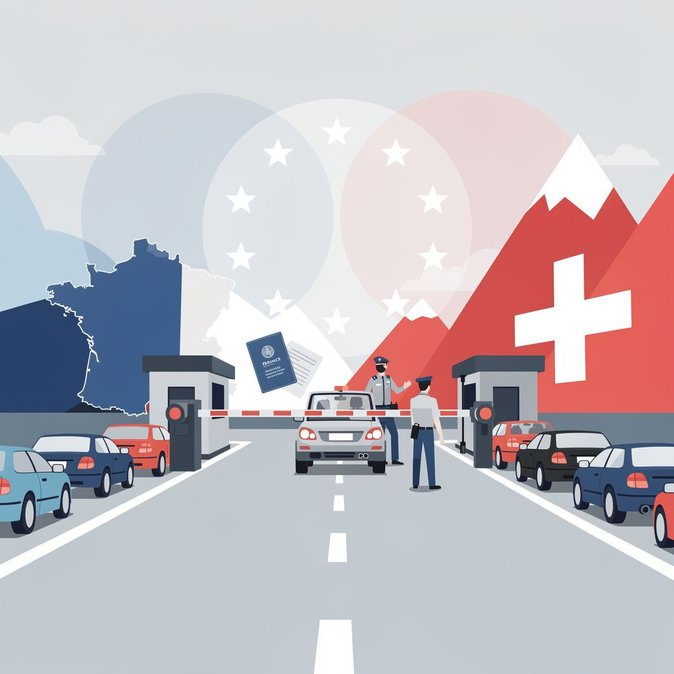
The European Commission’s Schengen monitoring portal today published France’s notification that it will re-impose systematic checks at all internal borders from 1 November 2026 through 30 April 2027, citing elevated jihadist threats, organised migrant smuggling and unrest along northern maritime routes. The measure explicitly covers the 572-km land frontier with Switzerland, as well as crossings with Belgium, Germany, Luxembourg, Spain and Italy. For cross-border commuters in Geneva, Basel and the Jura arc, the decision revives memories of 2020-21 queues, when French gendarmerie spot-checks caused tailbacks of up to five kilometres at peak hours. Some 180,000 French residents commute daily to Swiss workplaces; HR managers at multinational firms in the region are already reviewing flexible-working policies to absorb potential delays. Swiss exporters that truck high-value watches, med-tech and pharma products via the A35 and A36 corridors toward the ports of Le Havre and Antwerp may face schedule uncertainty if customs parking areas become congested. Logistics associations urge shippers to file digital pre-lodgements and to build at least a half-day buffer into delivery promises during the first weeks of the new regime. Unlike the COVID-era controls, the French interior ministry emphasises that the coming checks will be intelligence-led, mobile and risk-based rather than static. Nevertheless, persons travelling under third-country passports (including U.K. and U.S. nationals resident in Switzerland) should be ready to show residence permits and employment letters. Airlines operating Geneva–Paris and Basel–Mulhouse domestic sectors expect random gate inspections but no systematic boarding delays. The Swiss Federal Department of Justice and Police said it "notes" Paris’s decision and will coordinate police liaison teams, but does not plan reciprocal measures. Businesses are encouraged to update travel advisories and review data-privacy requirements, as French officers may request access to company transport manifests as part of security screening.