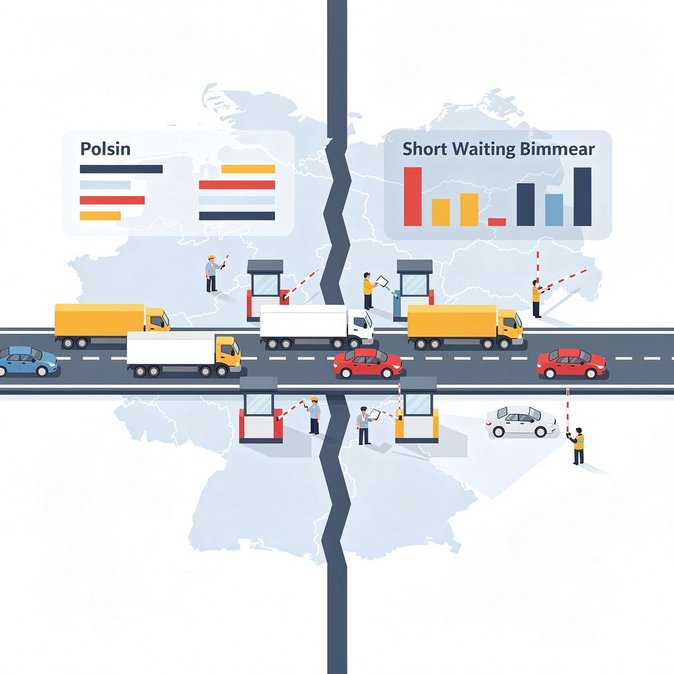
Despite Poland’s re-imposed Schengen-area controls with Germany, traffic flowed smoothly on 22 October. Queue-analytics site KolejkaNaGranicy reported the longest outbound delay at the Olszyna–Forst motorway crossing: 39 minutes leaving Poland and 45 minutes entering. Several other crossings, including Swiecko–Frankfurt (Oder), showed waits well under 30 minutes. The figures confirm anecdotal reports from freight drivers who say Bundespolizei teams are now using mobile patrols rather than fixed booths, pulling aside selected vehicles for document checks. The approach reduces tailbacks but keeps political pressure on migrants and smugglers – Warsaw’s stated reason for extending the controls until March 2027. For business travellers and shuttle-bus operators the message is cautiously positive: plan a small buffer, but major holdups are unlikely unless police escalate inspections in response to intelligence leads. Companies running just-in-time parts deliveries along the A12 should still monitor live dashboards, as spot checks can spike during weekends when leisure traffic adds to volumes. Poland’s Transport Ministry says it is coordinating with German authorities to exchange real-time licence-plate data, aiming to cap inspections at 1–2 % of passenger vehicles and 5 % of heavy goods vehicles. If achieved, delays should remain below the 15-minute threshold considered acceptable in EU internal-border guidelines.
Source: KolejkaNaGranicy.pl
How VisaHQ can help
VisaHQ simplifies the visa application process for individuals and businesses. Check current travel requirements, prepare the required documents and manage your application online through the VisaHQ Poland portal.More From Poland
View all
Warsaw Chopin’s secondary runway closed until 24 October; schedules largely intact but standby delays likely
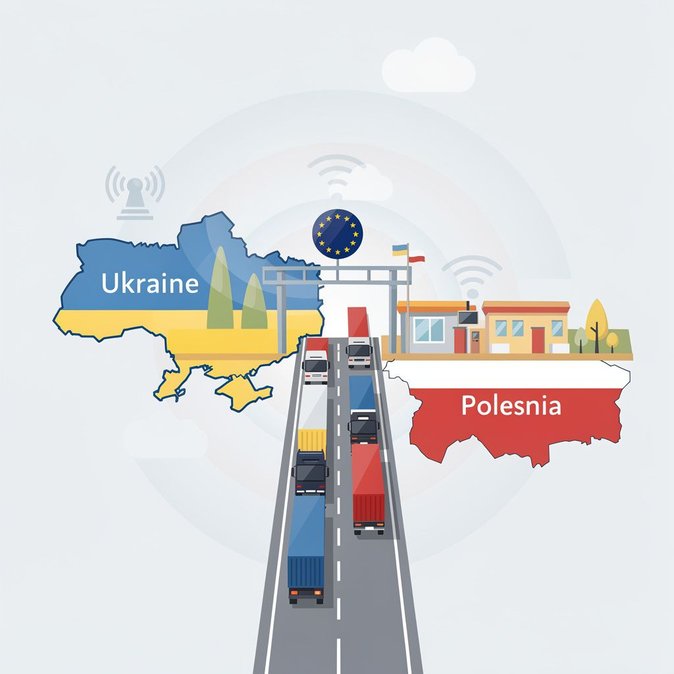
Poland says joint border checks with Ukraine could move onto Polish soil if strikes endanger Ukrainian crossings