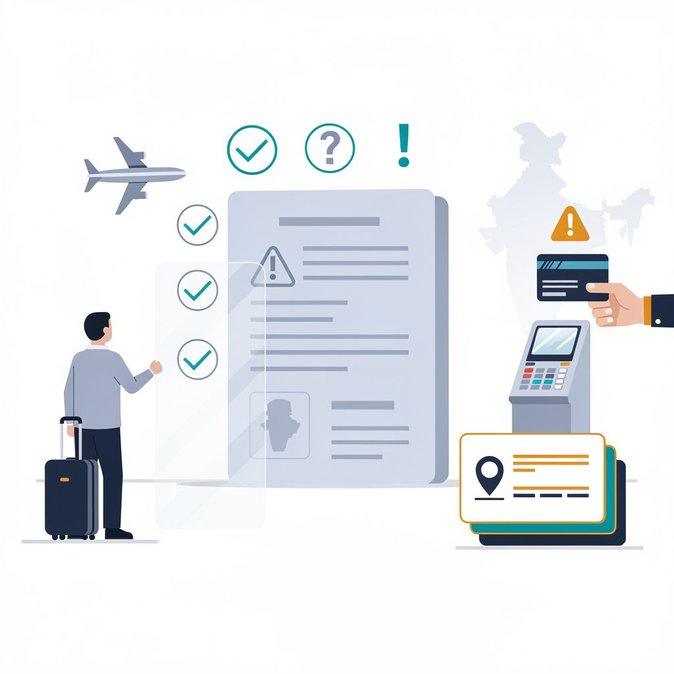
The UK Foreign, Commonwealth & Development Office (FCDO) refreshed its India travel advisory on 12 November 2026. While the overall risk rating ("some areas at higher risk") is unchanged, the update folds in several entry-related points that matter to British firms sending staff to India. First, the advisory highlights that some north-eastern states and parts of the Andaman & Nicobar Islands still require special permits in addition to a valid Indian visa. Tour operators often overlook these inner-line or restricted-area permits, leading to denied boarding or on-arrival fines. The FCDO now provides direct links to the e-ILP portal and warns that approvals can take up to five working days. Second, the revised guidance flags a rise in QR-code payment scams at Delhi, Mumbai and Goa airports. Travellers are urged to use official taxi counters and avoid scanning random codes shown by touts masquerading as ride-hailing drivers—a reminder that India’s near-ubiquitous UPI system can be weaponised against jet-lagged visitors. Finally, the advisory reminds UK citizens whose Indian visas were issued before the pandemic to check validity and, if necessary, apply for re-issuance via the e-Visa platform rather than flying with an expired sticker visa. The note follows multiple reports of airlines off-loading passengers with “lifelong” tourist visas that were actually cancelled in late 2021. Mobility managers should circulate the new advisory, ensure travellers carry print-outs of any special area permits and budget extra lead time where required. The FCDO’s alert may also prompt insurers to review coverage terms for travel in Arunachal Pradesh and parts of Jammu & Kashmir.
Source: UK GOV Travel Advice