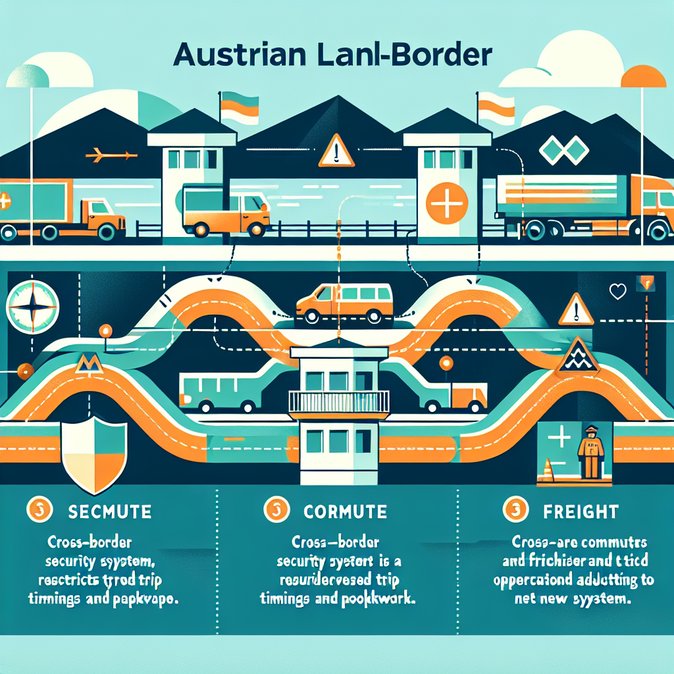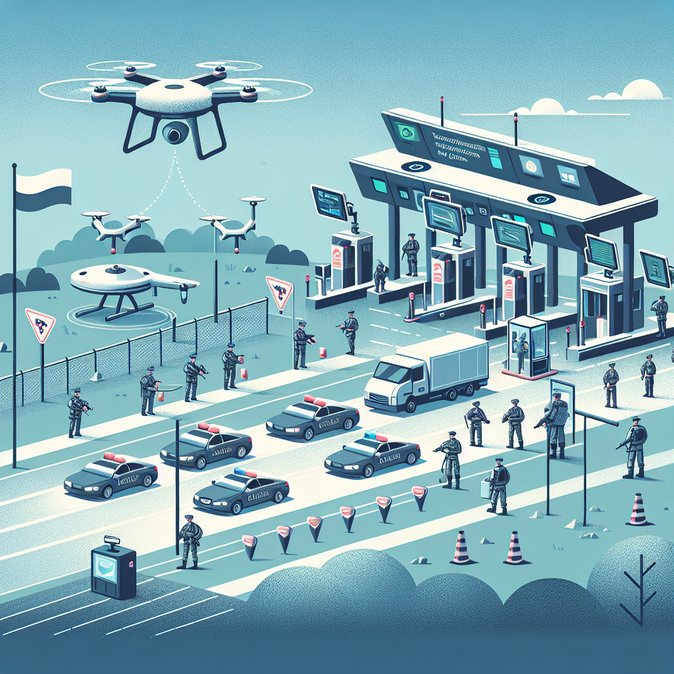
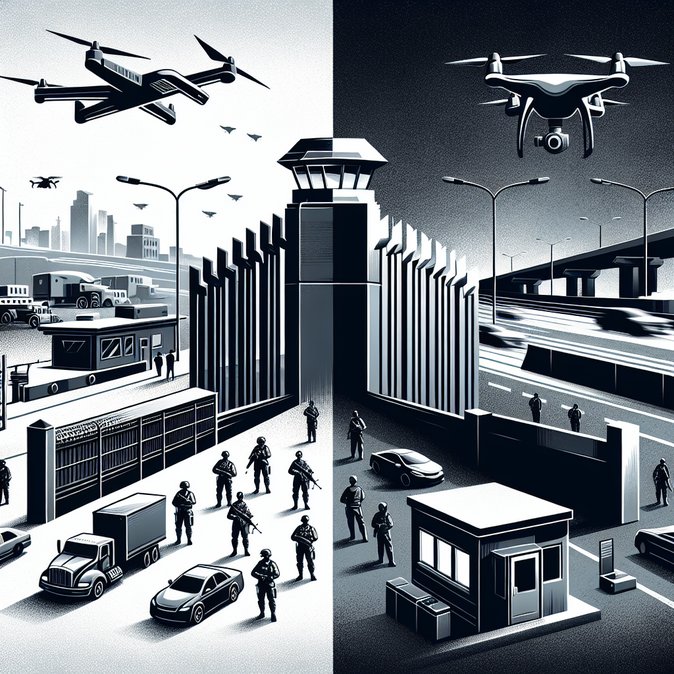
Interior Minister Gerhard Karner used a Friday press conference in Vienna to unveil the biggest overhaul of Austria’s border-management regime since 2015. Effective immediately, the Federal Police will wind down many of the static control lanes that have become familiar sights on highways linking Austria with Hungary, Slovenia, Slovakia and Czechia. Instead, mixed teams of police officers and military personnel will patrol a wider strip up to 30 kilometres inside the frontier, supported by drones, helicopters and thermal-imaging cameras.
Karner said the shift responds to a “massive decline” in irregular apprehensions—down from almost 15,000 in October 2022 to fewer than 200 in October 2025—while promising “more flexibility, shorter waiting times for commerce and commuters, and a stronger focus on smugglers rather than tourists.” Defence Minister Klaudia Tanner confirmed that troop numbers at the border will fall from about 510 today but added that soldiers can be re-deployed within hours if flows rise again.
![Austria shifts from fixed checkpoints to mobile border policing, extends Schengen controls for six more months]()
Criticism came quickly. The opposition Freedom Party (FPÖ) branded the plan a “PR stunt” that risks opening new gaps, while Burgenland’s Social Democrats warned that regional police could be overwhelmed if smugglers change routes. Business groups, by contrast, welcomed the prospect of faster crossings; the Austrian Logistics Association estimated that a single articulated lorry currently loses up to 45 minutes per run at the Nickelsdorf checkpoint.
Although the physical architecture of controls is changing, Karner made clear that the legal measure will remain: all four Schengen-internal borders will stay under Article 25a derogations for a further six months, until at least June 2026. The ministry has already notified the European Commission of the extension. Karner argued that other Member States, including Germany and Italy, are maintaining their own temporary checks, so Vienna’s decision is proportionate.
For companies moving staff or goods across Central Europe, the message is double-edged: expect fewer bottlenecks at traditional booths but plan for unannounced spot checks deeper inside Austrian territory. Mobility managers should brief drivers on required documents and factor possible mobile inspections into scheduling. Expatriate employees entering by car should also carry residence permits at all times, as ID will now be requested away from the immediate border.
Karner said the shift responds to a “massive decline” in irregular apprehensions—down from almost 15,000 in October 2022 to fewer than 200 in October 2025—while promising “more flexibility, shorter waiting times for commerce and commuters, and a stronger focus on smugglers rather than tourists.” Defence Minister Klaudia Tanner confirmed that troop numbers at the border will fall from about 510 today but added that soldiers can be re-deployed within hours if flows rise again.
Criticism came quickly. The opposition Freedom Party (FPÖ) branded the plan a “PR stunt” that risks opening new gaps, while Burgenland’s Social Democrats warned that regional police could be overwhelmed if smugglers change routes. Business groups, by contrast, welcomed the prospect of faster crossings; the Austrian Logistics Association estimated that a single articulated lorry currently loses up to 45 minutes per run at the Nickelsdorf checkpoint.
Although the physical architecture of controls is changing, Karner made clear that the legal measure will remain: all four Schengen-internal borders will stay under Article 25a derogations for a further six months, until at least June 2026. The ministry has already notified the European Commission of the extension. Karner argued that other Member States, including Germany and Italy, are maintaining their own temporary checks, so Vienna’s decision is proportionate.
For companies moving staff or goods across Central Europe, the message is double-edged: expect fewer bottlenecks at traditional booths but plan for unannounced spot checks deeper inside Austrian territory. Mobility managers should brief drivers on required documents and factor possible mobile inspections into scheduling. Expatriate employees entering by car should also carry residence permits at all times, as ID will now be requested away from the immediate border.
Source: The International